Moving to or from the Coastside means planning around two lifelines: Highway 1 and Highway 92. They are beautiful, busy, and sometimes unpredictable. If you account for commute traffic, permits, weather, and a few local curveballs, your move can be smooth and low stress. In this guide, you’ll learn how to time your trip, stage your truck, and navigate common hurdles on both highways. Let’s dive in.
Key routes at a glance
Highway 1: scenic, narrow, exposed
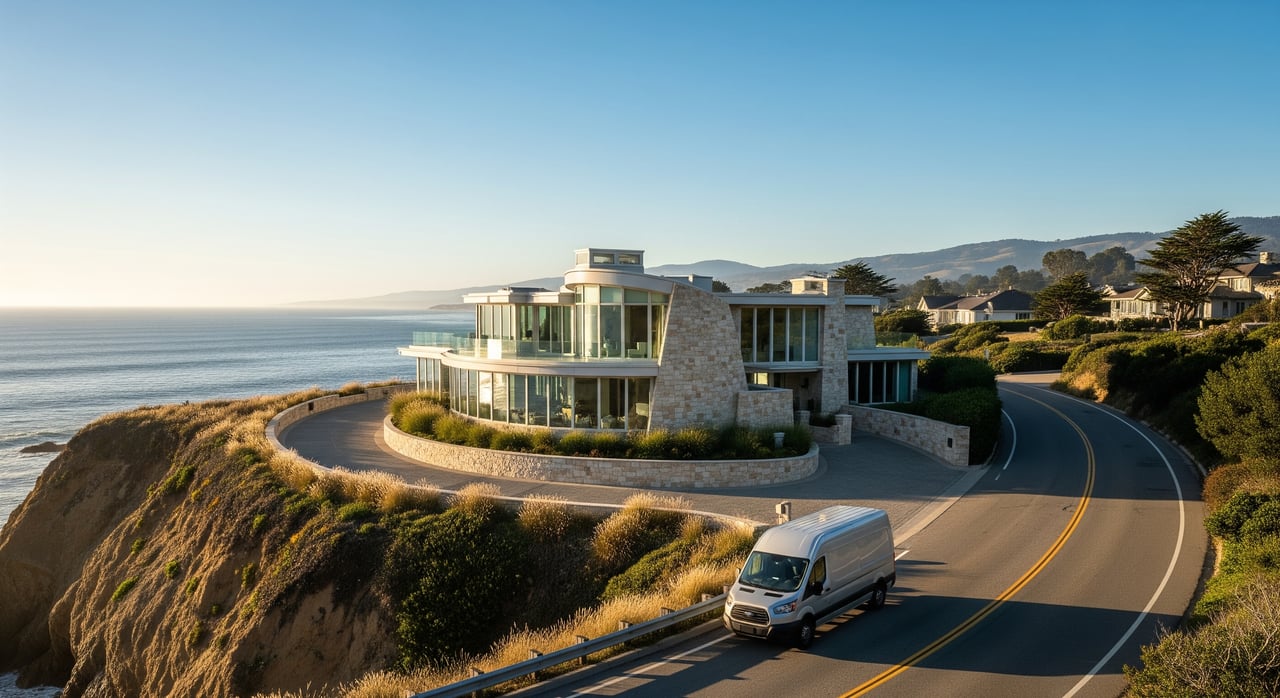
State Route 1 is the coast road through Half Moon Bay. It is largely two lanes with limited shoulders, which can be tight for long moving trucks, especially on curves and near cliffs. The stretch past Devil’s Slide now runs through the safer Tom Lantos Tunnels, but closures can still occur during incidents or storms. Learn the route in advance and give yourself extra space and time on turns.
Highway 92: main east–west connector
State Route 92 links Half Moon Bay to I‑280 and the broader Bay Area. Traffic builds during commute windows, and Caltrans data show heavier volumes toward the peninsula compared to the Coastside, which explains the bottlenecks near the grades and interchanges. Check the Caltrans traffic volumes for context and plan around peaks. Storms have caused full closures in the past, including a 2023 sinkhole closure, so always verify conditions on move day.
Time your move for smoother roads
- Avoid SR‑92 commuter peaks: roughly 6:30–9:00 AM eastbound and 4:00–7:00 PM westbound.
- Aim for mid‑week, mid‑day windows, such as Tuesday to Thursday from 10:00 AM to 2:00 PM.
- Summer weekends and sunny afternoons can slow Highway 1 near beaches. Build in a buffer.
- In October, skip Pumpkin Festival weekend. The Half Moon Bay Art & Pumpkin Festival closes Main Street and affects access to SR‑92.
Permits and curb space in Half Moon Bay
If your truck or container will occupy the street or block a lane or sidewalk, you likely need a city encroachment or temporary no‑parking permit. Start with the city’s Street and Right‑of‑Way permits page for requirements and timing. If your property sits in an unincorporated area, check San Mateo County Public Works permits.
- Apply early, since some permits need several business days to process.
- Expect to provide a simple site plan and proof of insurance.
- Confirm how and when to post temporary no‑parking signs so towing can be enforced if needed.
Downtown parking realities
Downtown has a mix of 2‑hour and 12‑hour zones and a few public lots, with active enforcement around Main, Johnston, Purissima, and Mill. Review the city’s downtown parking rules and coordinate a curb space with Public Works if you must stage on Main Street. A posted reserve zone can prevent last‑minute scrambles.
Truck size and routing constraints
Some local bridges and streets are tight for larger trucks. Do not assume a 26‑foot truck can reach every address or stage safely at the curb. Ask your mover to confirm routes and any posted weight or access restrictions, especially around older bridges and narrow residential blocks. Watch for construction around SR‑1 and SR‑92, including the Pilarcitos Creek Bridge project, which can change ramp access and turn movements. If your route uses tunnels, note that certain hazardous cargo is restricted in the Tom Lantos Tunnels.
Weather and day‑of checks
Coastal fog is common, especially overnight and in the morning during late spring and early summer. Strong onshore winds and winter storms can also slow traffic or damage roads. The most reliable move‑day habit is to check Caltrans QuickMap for lane closures, incidents, and cameras before the truck rolls. If visibility is low or a closure appears, shift your start time rather than forcing a tight schedule.
Coastside move checklist
Two weeks out
- Choose truck size with your mover and confirm the route, bridge limits, and staging plan.
- Apply for city encroachment or temporary no‑parking permits where needed. Use Half Moon Bay’s permit page as your guide, or San Mateo County permits if unincorporated.
- If you need curbside placement downtown, coordinate early to avoid conflicts with posted limits.
- Scan the calendar for major events like the Pumpkin Festival, then pick a different weekend.
Week of the move
- Reconfirm any construction impacts near SR‑1 and SR‑92, including the Pilarcitos Creek project.
- Set your loading window for mid‑morning or early afternoon.
- If required, post temporary no‑parking signs with the correct advance notice.
Day of the move
- Check Caltrans QuickMap and adjust if there are incidents or dense fog.
- Avoid SR‑92 commuter peaks and beach‑hour surges.
- Keep an alternate route ready, such as Highway 1 north toward Pacifica if SR‑92 is shut down and detours allow it.
Ready to move with confidence?
A thoughtful plan for Highways 1 and 92 can save you hours and headaches. If you are buying or selling on the Coastside or anywhere on the Peninsula, reach out to Sandra Darrow Realty, Inc. for calm, end‑to‑end guidance that keeps your timeline and move aligned.
FAQs
What should I know about Highway 1 when moving to Half Moon Bay?
- Highway 1 is a two‑lane coastal route with limited shoulders and tunnels at Devil’s Slide, so give trucks extra space and check for incidents or closures before departure.
When are the best times to drive a moving truck on Highway 92?
- Plan outside commuter peaks, roughly 6:30–9:00 AM eastbound and 4:00–7:00 PM westbound, and favor mid‑week mid‑day windows.
Do I need a permit to reserve curb space for a moving truck?
- Yes, if you are occupying the public right of way, apply for a city encroachment or temporary no‑parking permit through Half Moon Bay Public Works or the county when applicable.
How do events like the Pumpkin Festival affect my move?
- Main Street closures and traffic restrictions during the Pumpkin Festival create severe access limits, so choose another weekend to avoid delays and parking issues.
How do I monitor road conditions on move day?
- Use Caltrans QuickMap for real‑time closures, incidents, and cameras, then adjust your schedule or route if conditions change.