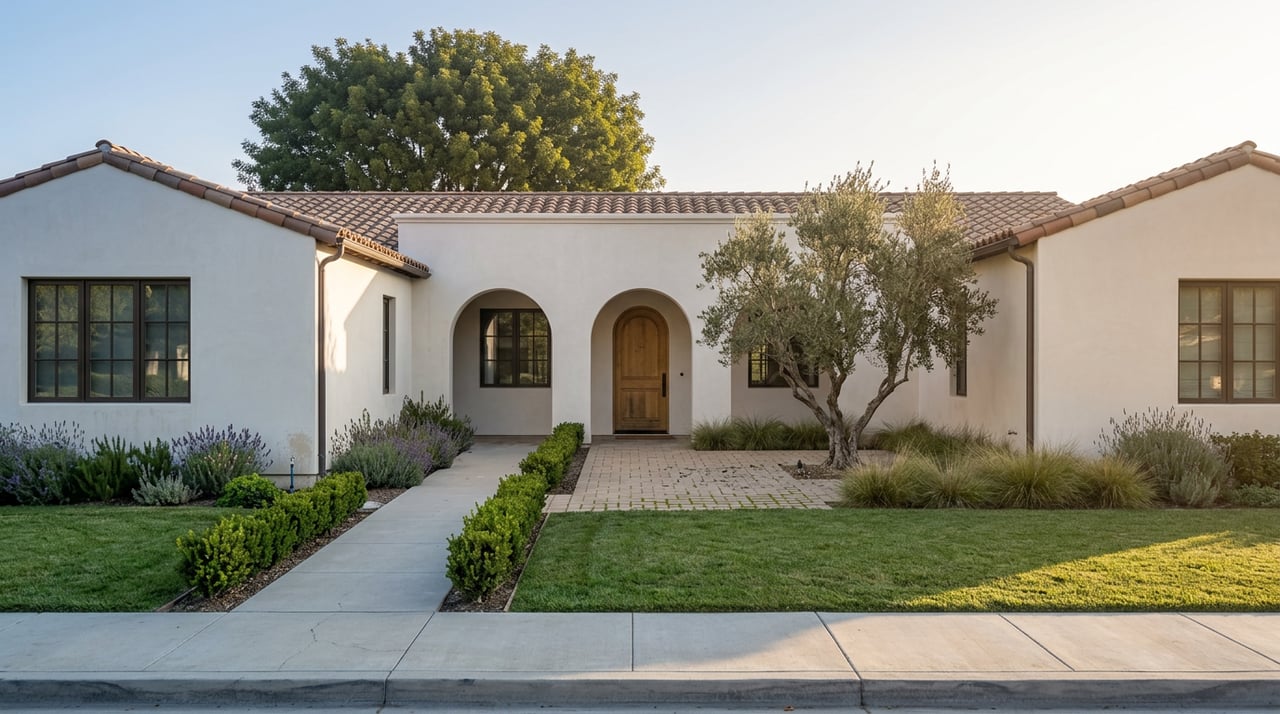
Thinking about selling your Menlo Park home but not sure where to start? In a high-cost, fast-moving market, the right prep can protect your timeline and your bottom line. You want to make smart choices, not open-ended projects, and you need a plan that fits Menlo Park’s buyer expectations. This guide gives you a clear, local roadmap to prep, price, time, and market your home with confidence. Let’s dive in.
Menlo Park market snapshot
Menlo Park sits in a competitive San Mateo County market with a mix of move-up buyers, downsizers, and tech-affiliated buyers. Many use cash or jumbo financing, so appraisal risk can matter at higher price points. Neighborhoods vary by price band, lot type, and proximity to downtown and transit.
Seasonality is real here. Spring and early summer usually bring stronger buyer activity, while late fall and winter can slow. Local inventory is often tight in desirable pockets. Keep an eye on city and county resources for neighborhood context and permit history through the City of Menlo Park.
What buyers prioritize can include commute routes, Caltrain access, and nearby amenities. For some, single-level living or condo convenience near downtown is a plus. Your marketing should highlight the strengths your property offers in this local context.
Prep that pays off
Fix first impressions
Start with health, safety, and visible condition. Address roof issues, leaks, electrical hazards, and any signs of moisture or mold. Buyers in Menlo Park expect well-maintained systems, and clean reports help you negotiate with confidence.
Simple wins include neutral interior paint, deep cleaning, landscaping refresh, and repairing obvious wear. These steps help your photos shine and make showings feel easy.
Targeted cosmetic updates
Focus on high-impact, budget-wise improvements. Cabinet refacing, new hardware, updated lighting, and a fresh vanity or fixtures can modernize kitchens and baths without major delays. Use national ROI benchmarks from Remodeling Magazine’s Cost vs. Value as a guide, then weigh against recent local comps.
If your home is move-in ready, lean into presentation. If it needs work, prioritize the items buyers will see and inspectors will flag. The goal is to protect momentum once you launch.
What to skip
Large remodels that delay your timeline or personalize the home too much often do not return dollar-for-dollar. In this price tier, buyers may prefer to choose their own finishes. Keep it clean, neutral, and well maintained.
Staging, photos, and tours
When to stage
Staging helps buyers picture how rooms live and scale. National reports from the National Association of Realtors indicate that staging and strong visuals can reduce time on market and improve perceived value. For vacant homes, full staging is often worth it. For occupied homes, stage key areas: living room, kitchen, and primary bedroom.
Photography standards
Professional photography is a must. In Menlo Park, high-quality photos, floor plans, and 3D tours are common on higher-end listings. Twilight images can highlight outdoor living, and aerial photography can show lot privacy or proximity to amenities. Align your deliverables with your agent’s marketing plan so everything is ready before going live.
Inspections and required disclosures
Pre-list inspections
Pre-list inspections help you find issues early and decide what to repair or disclose before showings begin. Many sellers order roof, pest, and basic systems checks, then handle high-impact fixes like roof patches or HVAC service. This can shorten contingency timelines and reduce back-and-forth later.
What California requires
Sellers must complete a Transfer Disclosure Statement and provide a Natural Hazard Disclosure that covers items like flood and fire zones. Review seller obligations through the California Department of Real Estate. If your home was built before 1978, federal law requires lead-based paint disclosure and an EPA pamphlet. You can learn more at the EPA’s lead information page.
If you have questions about forms or standard timelines, your agent will use the California Association of Realtors contracts and addenda. You can explore general guidance at the California Association of Realtors.
Permits and unpermitted work
Buyers and lenders often verify permit history for additions, major remodels, ADUs, or garage conversions. Confirm your records and disclose any unpermitted work. You can check permit status and city requirements through the City of Menlo Park’s Building Division resources.
Pricing strategy that fits Menlo Park
Pick the right comps
Use recent closed sales in the same neighborhood or nearby blocks. Adjust for lot size, condition, updates, and location features. The Menlo Park market moves quickly, so comps from the last 30 to 90 days are most useful when inventory is active.
Choose a pricing approach
- Market-value pricing: List at fair market value to attract multiple qualified buyers.
- Slight underpricing: Can spark competition if inventory is tight, but it introduces more uncertainty. Align with your risk tolerance and timing goals.
- Price banding: Consider psychological thresholds, and be mindful of financing categories that shape your buyer pool.
Plan for appraisal and financing
Many Menlo Park buyers use jumbo loans. Appraisals can be conservative at higher prices. Keep a strong comp package ready and consider buyer financing type when comparing offers. If an appraisal comes in low, you can negotiate price, credits, or produce additional support.
Timing your sale
Seasonality and launch windows
Spring and early summer usually bring the most foot traffic. If a school-year move matters for your plans, build that into your calendar. Your agent can help you optimize prep and pre-marketing so you hit the best window for your property’s location and price point.
Coordinating your next move
If you are moving up or downsizing, line up financing and logistics early. Typical California escrows run 30 to 45 days. If you need extra time after closing, consider a seller rent-back. Clear timing reduces stress and protects your leverage in negotiation.
Marketing plan buyers expect
Digital and local reach
Your listing should include polished photos, a floor plan, and a clear description of neighborhood amenities and transit options. Exposure across the MLS, targeted social campaigns, and broker outreach help reach both local and relocating buyers. For certain segments, quality print brochures and local mailers still make a difference.
Showings and access
Plan for flexible showings during peak hours and weekends. If occupied, maintain a tidy, neutral look and keep valuables secured. Align access methods with neighborhood preferences and your comfort level.
Offers, negotiation, and escrow
What you will see in offers
Offers typically include price, earnest money deposit, financing type and contingencies, inspection timelines, and a proposed close date. Standard California deals use C.A.R. forms, and buyers may use strategies like escalation clauses or shorter contingencies in a competitive setting.
Compare beyond price
Look at net proceeds after credits, the length of contingencies, certainty of financing, and how the closing date fits your move. Cash can reduce risk, but a financed offer with stronger terms or a better fit for your timing may be the better choice.
Repairs and credits
Buyers usually complete inspections during the contingency period. If issues arise, you can offer repairs, credits, or price adjustments. Pre-list fixes for roof, HVAC, and plumbing can reduce friction and keep the escrow on track.
Closing steps
Expect a 30 to 45 day escrow. Title review, HOA documents for condos or PUDs, and lender requirements may add steps. The buyer’s final walkthrough confirms the home’s condition shortly before closing.
Taxes, fees, and logistics
Transfer taxes and capital gains
San Mateo County imposes a documentary transfer tax. Confirm current rates with the San Mateo County government site. For your primary residence, federal rules may allow you to exclude up to a set amount of capital gains if you meet ownership and use tests. Review details on the IRS guidance for selling your home. California taxes also apply to gains, so plan ahead with your CPA and learn more from the Franchise Tax Board.
Environmental and hazard context
Menlo Park sits in a seismically active region, and some areas have flood considerations. Your Natural Hazard Disclosure will cover these items. If your property is near former industrial zones, check local records and disclose what you know. Buyers appreciate clear information early.
Your next step
A thoughtful plan turns a complex sale into a manageable process. Start by confirming your timeline, lining up pre-list inspections, and choosing targeted updates that give you the best return. Then launch with clean disclosures, a pricing strategy that fits the neighborhood, and a strong digital presentation.
If you want a calm, coordinated path from prep to close, including staging guidance and financing alignment for your next purchase, let’s talk. Schedule your free consultation with Sandra Darrow Realty, Inc. to map your Menlo Park sale with confidence.
FAQs
How much should I spend on Menlo Park home prep?
- Focus on safety, system health, and high-impact cosmetics. Use Cost vs. Value as a guide, then align with local comps and timing.
What disclosures are required when selling in California?
- Expect a Transfer Disclosure Statement, a Natural Hazard Disclosure, and, for pre-1978 homes, lead-based paint disclosure per the EPA. Review obligations via the DRE.
When is the best time to list in Menlo Park?
- Spring and early summer often bring stronger demand. Launch timing should also fit your move, prep schedule, and pricing strategy.
How long does escrow take and what contingencies are common?
- Most escrows run 30 to 45 days. Common contingencies include inspection, loan approval, and appraisal. C.A.R. forms guide timelines and terms at a high level via car.org.
What taxes or fees should I plan for at closing?
- Plan for San Mateo County transfer taxes and potential capital gains. Check rates at the county site and review federal and state guidance via the IRS and FTB.