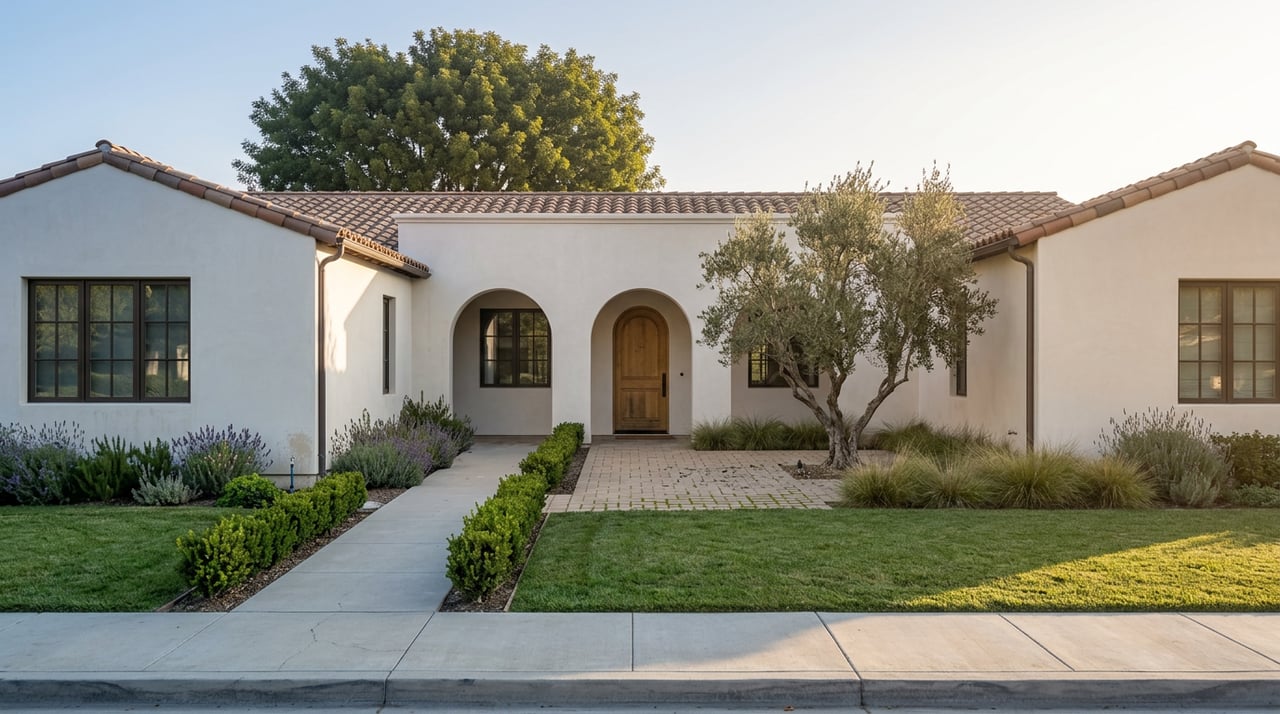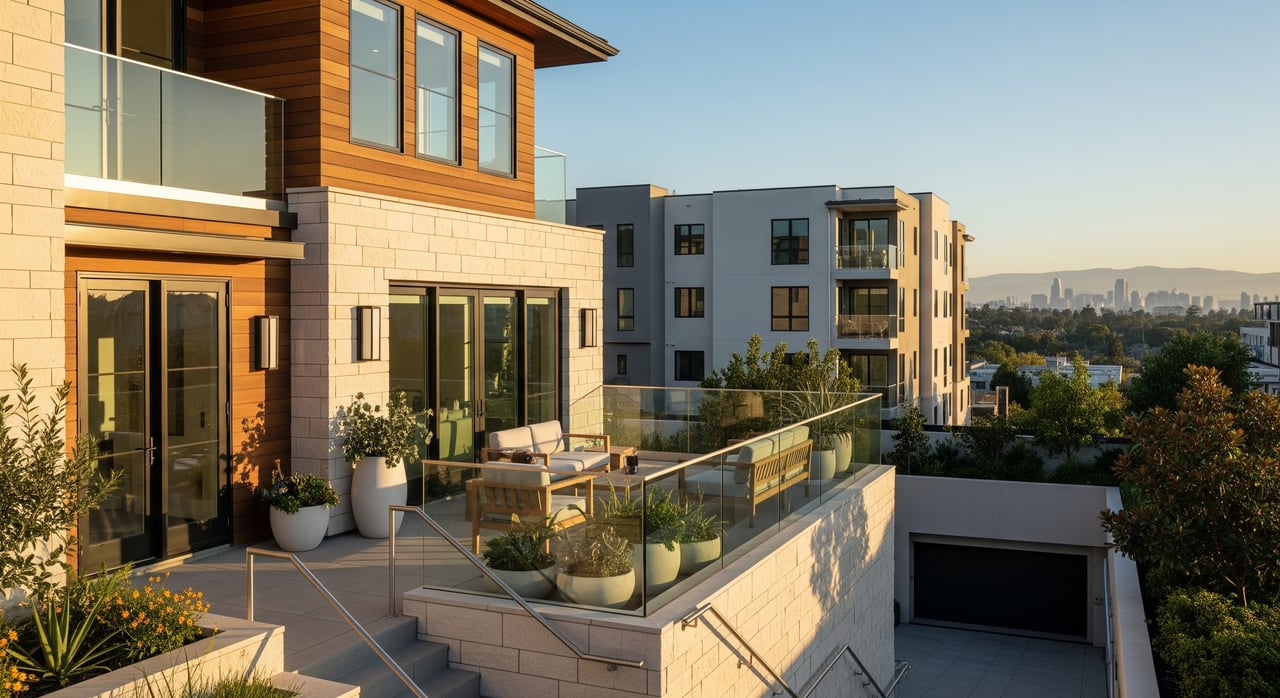
Deciding between a condo and a townhome in Mountain View can feel like choosing between two great lifestyles. You might love the energy of Castro Street or the convenience of living near the tech corridors, but you also want clarity on ownership, HOA fees, outdoor space, and financing. This guide breaks down the real differences so you can pick the right fit for your daily life and long-term goals. You will learn how each option works in California, what to look for in HOA documents, and how to match neighborhoods with your priorities. Let’s dive in.
Condo vs townhome basics
In a condominium, you typically own the interior “airspace” of your unit and a share of the common elements like land, roofing, and exterior walls. An HOA maintains the building exterior and shared areas, and the community is governed by CC&Rs, bylaws, rules, budgets and reserve studies under California’s Davis-Stirling framework. Day-to-day living and obligations often come down to each community’s specific documents.
Townhome is a style, not a single legal structure. Some townhomes are legally condominiums, while others are fee-simple or part of a planned unit development, known as a PUD. In a fee-simple or PUD townhome, you usually hold title to the parcel and structure, with an HOA handling common areas. That difference can affect financing, insurance, maintenance responsibility, and future marketability.
How structure affects your life
Maintenance varies by legal structure. Condos commonly place exterior and structural maintenance on the HOA, while fee-simple townhomes may require owners to maintain items like yards and roofs unless the HOA covers them. If you want more control over exterior changes and private outdoor space, fee-simple townhomes usually allow more flexibility, subject to the CC&Rs.
Financing and insurance can differ. Lenders often treat condos differently because they underwrite the project as well as the borrower. That may involve project-level criteria, reserve and owner-occupancy requirements, and additional review. Condo owners also rely more on the HOA’s master insurance policy for exterior coverage and usually carry an HO-6 policy for interior improvements and personal property.
HOA fees and reserves
HOA fees typically cover items like exterior maintenance, roofing, landscaping, common area utilities, building insurance for common elements, trash, security, amenities, and reserve contributions. In some communities, water or other shared utilities are included, while individual interior repairs and private utilities remain the owner’s responsibility. For some PUDs, exterior maintenance may not be included.
Fees reflect the project’s size, age, staffing, amenities, and local costs. In Silicon Valley and Mountain View, expect dues that mirror higher property and maintenance costs. Newer buildings with elevators and amenities tend to have higher dues than smaller communities with minimal common areas.
Financial health matters. Review the current budget, line items, and the reserve study to understand how future repairs will be funded. Low reserves, deferred maintenance, or a history of special assessments can be red flags. Owner-occupancy ratios, rental caps, delinquency rates, and any pending or recent litigation can affect both quality of life and your ability to obtain financing.
What to review in the HOA packet
- Full HOA packet: CC&Rs, bylaws, rules, budget, insurance certificates, reserve study, recent board minutes, owner-occupancy and rental data, and litigation disclosures.
- Reserve funding and history: Are reserves adequate and are capital projects planned or overdue?
- Assessments: Ask about any recent or upcoming special assessments and their costs.
- Governance: Note management style, board transparency, rule enforcement, and meeting frequency.
- Lending implications: Confirm with your lender if reserves, owner-occupancy, or litigation status will impact loan approval.
Outdoor space and parking
Condos often offer balconies or shared courtyards, with ground-floor units sometimes featuring deeded patios. Townhomes are more likely to have private, fenced patios or small yards, with fee-simple townhomes offering the most control over landscaping and outdoor modifications. The tradeoff is that more private outdoor space usually means more owner maintenance.
Parking setups vary widely. You might have deeded or assigned garage spaces, uncovered spaces, or tandem arrangements, plus guest parking regulated by the HOA. Visitor parking rules and enforcement can affect day-to-day convenience, so review them carefully. Storage options like bike rooms or lockers vary by building.
EV charging is in high demand across Mountain View. Ask whether the development includes shared EV infrastructure or allows owners to install chargers. Confirm metering, electrical capacity, and HOA rules before you commit.
Noise, privacy, and maintenance
Condos and attached townhomes share at least one wall. Some also share floors or ceilings, which affects both sound transmission and heating or cooling efficiency. Construction quality varies by community, so plan to visit at different times of day, and ask about any soundproofing or noise mitigation that has been done.
Location influences noise. Close to Castro Street, you may hear street activity and nightlife along with the benefits of top-tier walkability and access to Caltrain. In and around North Bayshore and the tech corridors, you may experience daytime office activity, commuter traffic, and periodic construction. Proximity to freeways and transit nodes can be convenient, but it can also add ambient noise.
Maintenance and capital projects evolve over time. Older complexes may need roof replacement, exterior envelope work, or seismic upgrades, which should be reflected in the reserve study and recent board minutes. Check for any history of water intrusion, drainage issues, or termite treatment. While Mountain View is not a high-flood coastal risk area, review site-specific drainage conditions and local flood maps as part of routine diligence.
Insurance and risk allocation depend on the master policy. Most condo owners carry HO-6 policies for the interior, while the HOA insures common elements. Confirm whether the master policy is bare walls-in or all-in, and understand deductibles and who is responsible for various repairs. Clarity in the CC&Rs helps prevent disputes.
Mountain View neighborhood fit
Mountain View blends high-demand tech employment nodes, strong transit connections, and a mix of downtown urban living with lower-rise residential pockets. You will find a range of homes, from higher-density condos and mixed-use buildings to attached townhome communities and newer infill developments.
Castro Street
- Product types: Low to mid-rise condos and mixed-use buildings, with some boutique townhome options.
- Lifestyle: Highest walkability, with dining, retail, nightlife, and quick access to Caltrain.
- Tradeoffs: Smaller private outdoor spaces and tighter parking. Demand can drive premiums for units close to the action.
North Bayshore
- Product types: Newer planned developments, often mid-rise or higher-density residential tied to office redevelopment, plus nearby townhome communities.
- Context: Ongoing planning and redevelopment aim to add housing near large employers and transit corridors.
- Tradeoffs: Very convenient for commutes, but expect daytime activity, traffic, and possible future construction as the area evolves.
Tech corridors
- Product types: A mix of older garden-style condos, established townhome complexes, and newer infill projects along El Camino Real, Shoreline, and near Highway 101.
- Lifestyle: Quick access to major employers with varied walkability depending on the street and block.
- Tradeoffs: Often better parking and slightly larger footprints than downtown for a similar budget, with fewer clustered dining options.
Matching priorities to place
- Castro Street: Choose if you prioritize walkability, dining, and transit, and you are comfortable with smaller private outdoor spaces.
- North Bayshore: Choose if you want proximity to workplaces, newer construction, and are fine with HOA amenity costs and evolving surroundings.
- Tech corridors: Choose if commute time and garage parking are top priorities, and you prefer a bit more living space over a downtown location.
Decision checklist
- Lifestyle: Do you prioritize walkability and dining, proximity to work, or private outdoor space?
- Ownership control: Do you want fee-simple ownership with more exterior control, or is condo-style ownership acceptable?
- Budget: How do HOA dues affect your monthly cost and your mortgage qualification?
- Future resale: Which product types are likely to be in demand with Mountain View’s buyer base?
- Risk tolerance: Are you comfortable with potential special assessments, litigation, or deferred maintenance?
Touring checklist
- Unit interior: Test water pressure, windows, HVAC, and look for signs of water intrusion or cracks. Check storage and the electrical panel.
- Balcony, patio, or yard: Evaluate condition, drainage, privacy, and who maintains it.
- Parking and storage: Confirm your assigned space, any tandem setup, visitor parking rules, EV charging availability, and bike or locker options.
- Building and common areas: Note the condition of roofs, exterior paint, stairways, halls, elevators, gutters, and lighting.
- Noise and setting: Visit at different times of day to understand street activity and neighbor noise.
- Maintenance evidence: Ask about recent roof or envelope work and the timing and cost of capital projects.
- HOA culture: Review the HOA packet and ask the seller about assessments or disputes.
Financing and next steps
Get preapproved early to clarify your budget, including HOA dues. Lenders often evaluate condo projects for reserve levels, owner-occupancy, and litigation status, and some loan programs require project approval. Fee-simple or PUD townhomes can be simpler to finance because you hold land title, but every community is different.
Underwriters typically include HOA dues in your debt-to-income ratio, which can reduce borrowing capacity as dues rise. Some lenders may require higher down payments for certain condo projects, especially where reserves are low or rental ratios are high. Confirm your insurance needs and how the HOA’s master policy interacts with your owner’s policy.
Follow a practical sequence:
- Clarify priorities and budget, including HOA dues and tradeoffs between walkability, commute, and private outdoor space.
- Obtain mortgage preapproval and ask your lender about condo and PUD requirements.
- Shortlist neighborhoods and specific developments to tour, including Castro Street, North Bayshore, and tech corridor pockets.
- When under contract, obtain the HOA packet immediately and review with your agent and lender. Consider an HOA attorney if red flags arise.
- Hire an inspector and verify common element conditions, including roof, structure, and any signs of water intrusion.
- Confirm parking rights, EV charging rules, and storage access in writing.
- Verify insurance needs and how the master policy defines your responsibilities.
If you want calm, step-by-step support as you compare options in Mountain View, we are here to help. With integrated mortgage coordination, thorough HOA review guidance, and neighborhood-level insight, you can move forward with confidence. To talk through your goals and tour the right communities, reach out to Sandra Darrow Realty, Inc. today.
FAQs
What is the key ownership difference between condos and townhomes in California?
- Condos typically include ownership of the unit interior plus a share of common elements, while townhomes may be legally condos or fee-simple/PUDs where you also hold title to the land and structure.
How do HOA fees affect mortgage qualification in Mountain View?
- Lenders generally include monthly HOA dues in your debt-to-income ratio, which can lower your maximum loan amount as dues rise.
What should I look for in HOA reserves and board minutes before buying?
- Review the reserve study and minutes for upcoming projects, reserve funding levels, special assessments, delinquency rates, rental caps, and any litigation.
Can I add EV charging in a condo or townhome community in Mountain View?
- Many communities allow EV infrastructure with approvals, so confirm electrical capacity, metering, and HOA rules before planning an installation.
Which Mountain View area fits best if I want walkability versus more space?
- Choose Castro Street for top walkability and dining, North Bayshore for proximity to work and newer builds, and the tech corridors for more space and easier parking.