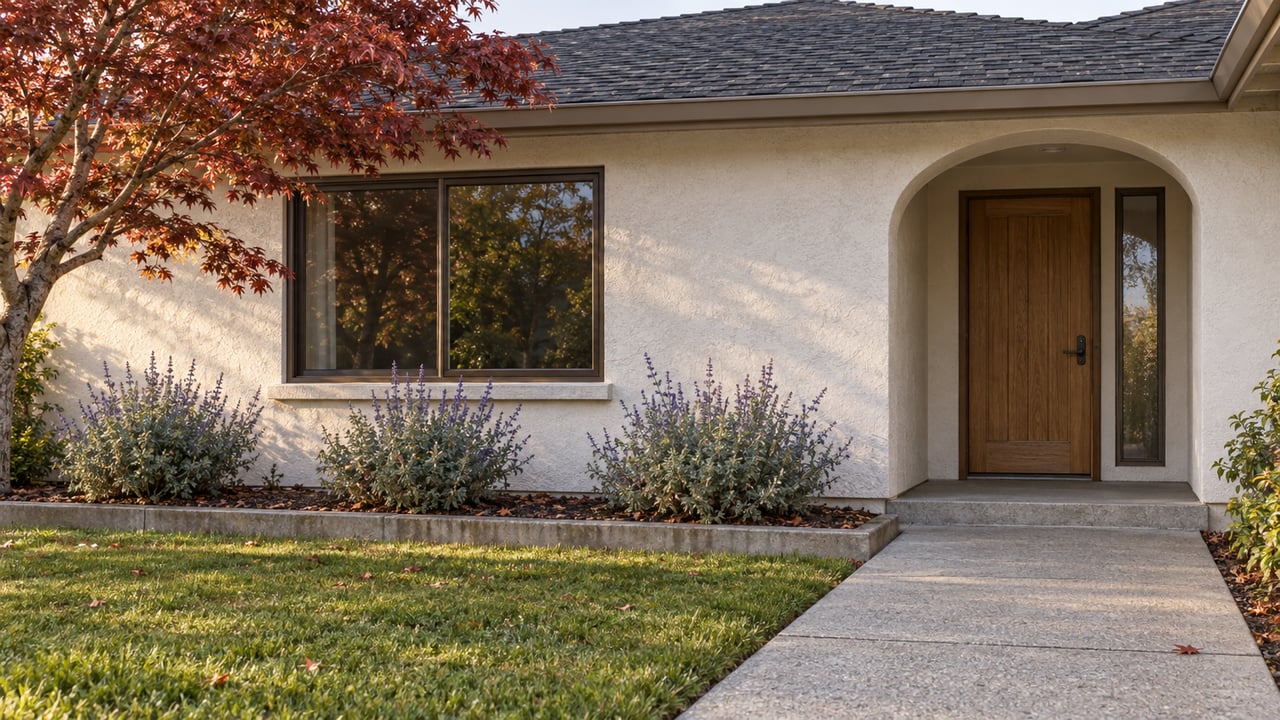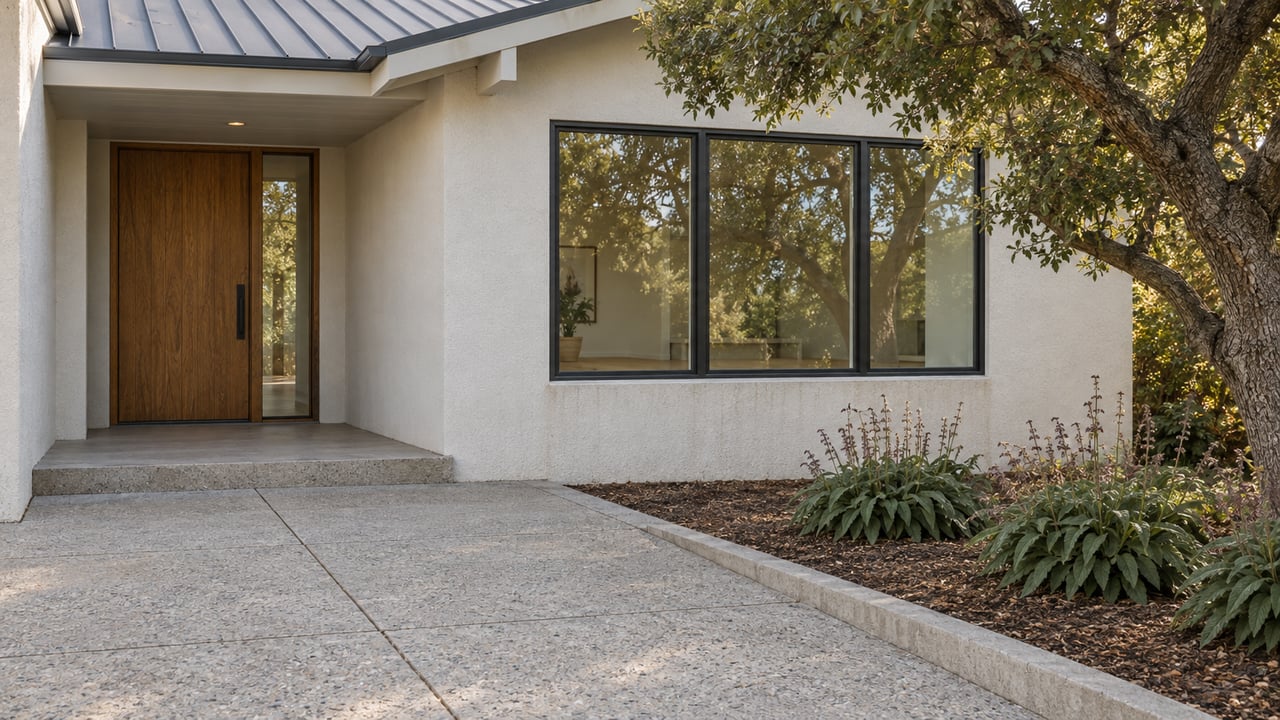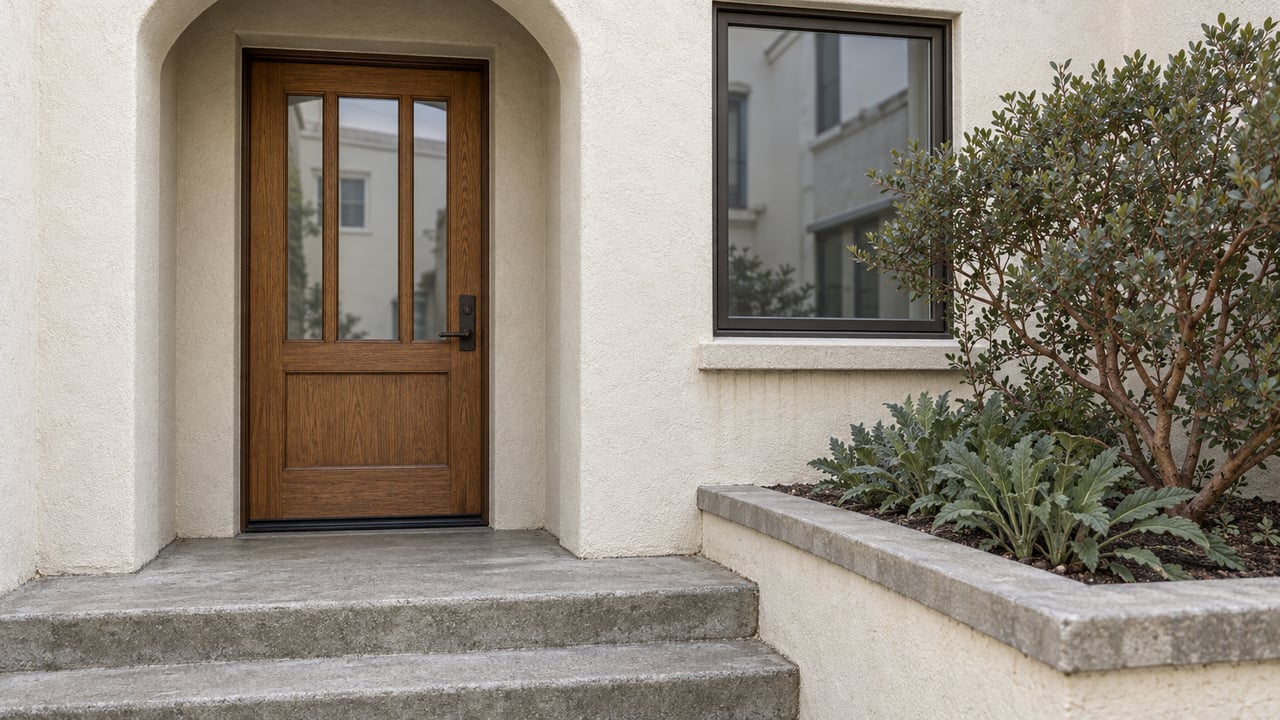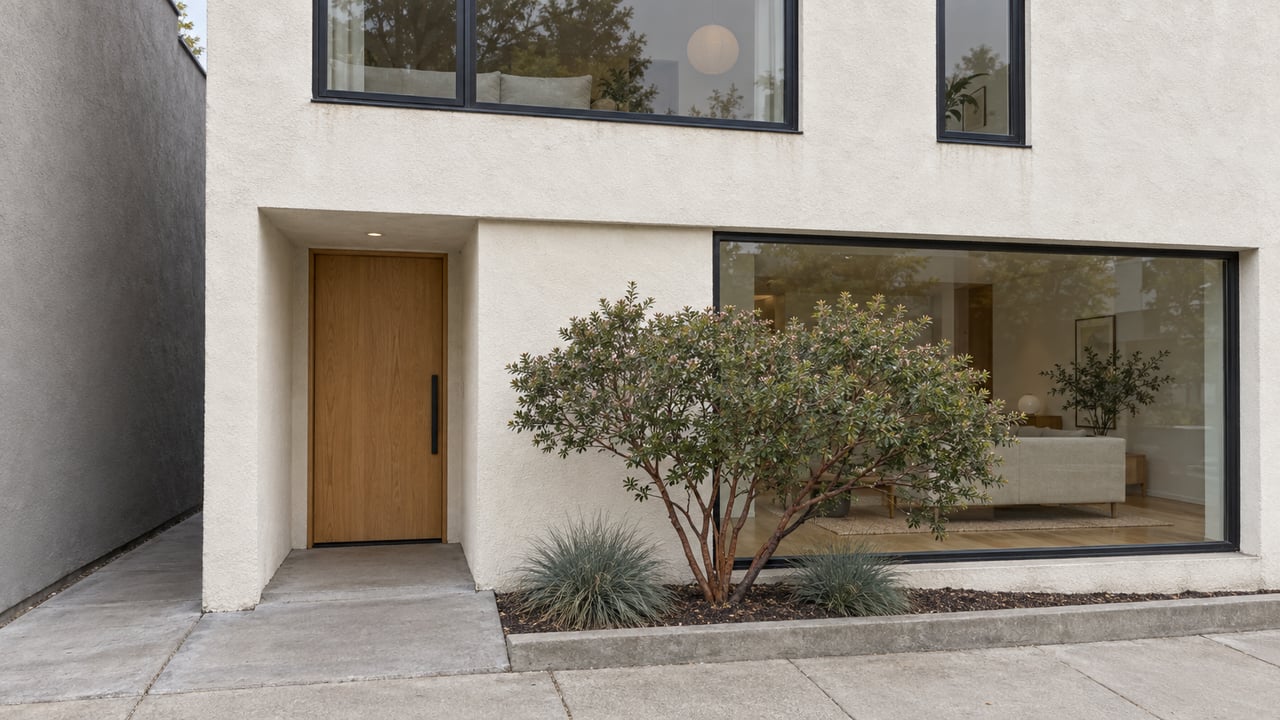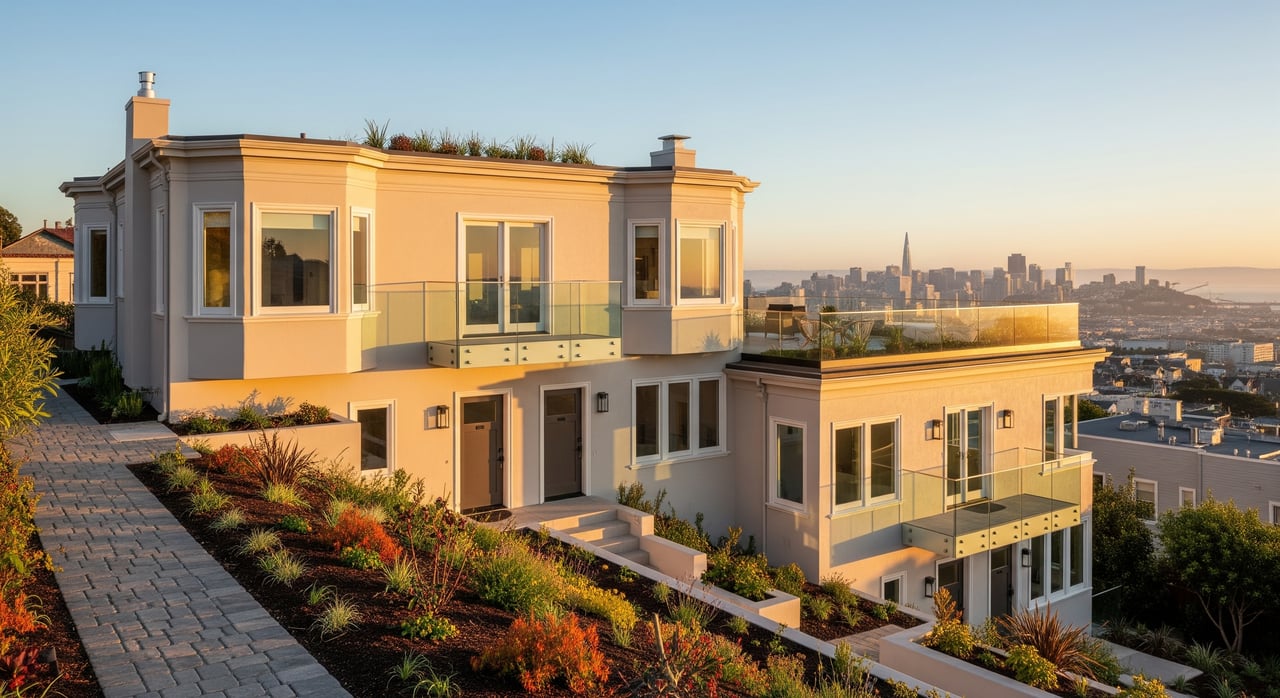
What if your first home could help pay your mortgage? In a high-cost market like Daly City and the broader San Francisco-Redwood City-South San Francisco area, house hacking can lower your monthly out-of-pocket and help you build equity. If you are an owner-occupant buyer, you have several practical paths, from buying a duplex to adding an ADU. In this guide, you will get clear options, realistic cost and rent factors, conservative ROI examples, financing paths, and next steps so you can move forward with confidence. Let’s dive in.
What house hacking means in Daly City
House hacking is simple. You live in one part of a property and rent the other space to offset your mortgage. In Daly City, strong regional rent demand and proximity to transit support this strategy, though purchase prices often compress near-term cash flow. The goal is to reduce your net housing cost while gaining long-term benefits like principal paydown and potential appreciation.
Options you can use in Daly City
Buy a legal duplex and live in one unit
You purchase a legally zoned 2 to 4 unit building, live in one unit, and rent the others. This can qualify for owner-occupant financing programs and delivers rental income right away. Inventory can be tight and prices per door are often high, so plan for renovations and careful underwriting.
Add an ADU or JADU to a single-family home
California law supports ADUs and junior ADUs on many single-family lots, subject to objective local standards. In Daly City, that means you can often create a rental unit by converting a garage, building a detached ADU, or attaching space to the main home. Expect a permitting and construction timeline, but an ADU can add meaningful rent and long-term value.
Convert interior space into a separate unit
You reconfigure interior space to create a lockable unit with a kitchen and bathroom that meets code. This can be faster and more cost-effective than a detached ADU. You still need the right permits and habitability standards to rent legally.
Rent rooms in a shared home
Room-by-room rentals can provide immediate cash flow with minimal upfront cost. You will manage shared spaces and screening more closely. Some cities have occupancy rules, so confirm what applies before you set expectations.
Hybrid layouts and practical design tips
- Consider a duplex with an extra accessory unit for multiple income streams.
- Add separate entrances to reduce friction between you and tenants.
- Use sound-mitigating insulation and, if possible, separate HVAC.
- Install durable finishes in rental areas and separate utility meters where feasible.
Rents and expenses: build your estimate
How to price rent
- Pull current comps for similar units within 1 to 3 miles and average several sources.
- Adjust for condition, parking, transit access, and whether the unit is detached or attached.
- Use conservative lease-up assumptions and a 90 to 95 percent occupancy rate while you stabilize.
As broad guidance for Daly City in a Bay Area context, smaller ADUs or JADUs often rent in the low to mid thousands per month. A 1-bedroom standalone unit can land in the mid to high thousands. A 2-bedroom unit can reach the high thousands. Always verify with 5 to 10 recent local comps before locking numbers into your plan.
Typical expense lines to include
- Mortgage principal and interest using your actual loan terms.
- Property taxes at about 1 to 1.5 percent effective rate, with 1.1 percent as a common baseline for estimates.
- Insurance for owner-occupied homes plus any landlord riders or multi-unit coverage.
- Utilities, including electricity, gas, water, sewer, and trash, based on who pays what.
- Maintenance and repairs at 5 to 10 percent of gross rent, or use about 1 percent of property value per year for reserves.
- Vacancy and credit loss at 5 to 8 percent.
- Property management around 6 to 10 percent of collected rent if you outsource.
- HOA dues if applicable.
- Capital expenditures reserve at roughly 2 to 5 percent of gross income, or a fixed amount per unit each year.
- For ADUs, add permitting, design, impact and connection fees, and utility hookups.
Sensitivities to watch
- Parking requirements or mitigations that increase ADU costs.
- Utility and sewer connection fees that can run several thousand dollars.
- Any limits on short-term rentals that affect projected income.
ROI frameworks you can trust
Key metrics to track
- Gross Scheduled Income is total potential rent.
- Effective Gross Income equals GSI minus vacancy and credit loss.
- Net Operating Income equals EGI minus operating expenses, not including your mortgage.
- Cap rate helps compare properties but does not reflect leverage.
- Cash-on-cash equals annual pre-tax cash flow divided by total cash invested.
- Debt service coverage ratio equals NOI divided by annual debt service, often used for investment loans.
Conservative assumptions for planning
- Vacancy at 6 percent.
- Maintenance at 7 percent of gross rent, or 1 percent of property value per year for reserves.
- Property tax at 1.1 percent baseline for quick estimates.
- Insurance at roughly 1,000 to 3,000 dollars per year for owner-occupied single family, higher for multi-units.
- Property management at 8 percent if you use a manager.
- CapEx reserve at 500 to 1,500 dollars per unit per year, depending on age and condition.
Duplex example, owner-occupant (illustrative)
- Purchase price: 1,200,000 dollars.
- Down payment: 20 percent, which is 240,000 dollars.
- Rent: One 2-bedroom unit at 3,200 dollars per month, owner occupies the other unit.
- Gross Scheduled Income: 38,400 dollars per year.
- Vacancy at 6 percent gives Effective Gross Income of 36,096 dollars.
- Operating expenses: property tax about 13,200 dollars, insurance 2,000 dollars, maintenance 2,688 dollars, management 2,898 dollars, total about 20,786 dollars.
- NOI about 15,310 dollars.
- Annual debt service at 4.5 percent on a 960,000 dollar loan about 58,800 dollars.
- Pre-tax cash flow about negative 43,490 dollars, which is common in high-price, low-cap-rate Bay Area markets.
Takeaway: The immediate win is mortgage offset and long-term wealth building. Positive monthly cash flow can be tough at today’s prices, so plan conservatively.
Single-family plus new ADU example (illustrative)
- Home purchase price: 1,150,000 dollars.
- ADU construction cost: about 150,000 to 300,000 dollars depending on scope and site.
- ADU rent example: 2,200 dollars per month, which is 26,400 dollars per year.
- Apply similar vacancy, expense, and reserve assumptions, plus incremental property tax, insurance, utilities, and construction loan interest.
Takeaway: An ADU can improve your long-run numbers and value, but plan for permitting, construction, and lease-up time. Use sensitivity analysis to see how rent and cost shifts change your break-even.
What success looks like beyond cash flow
- Lower net housing cost compared with a single-unit purchase.
- Mortgage principal paydown that builds equity every month.
- Potential appreciation and tax benefits tied to the rental portion, subject to CPA advice.
- Flexibility to use space for family or work, and improved resale appeal.
Financing options for owner-occupants
FHA and VA paths
FHA loans can allow owner-occupants to buy 2 to 4 unit properties with 3.5 percent down, as long as you live in one unit and meet program rules. Eligible veterans may use VA financing for multi-unit properties with no down payment, subject to occupancy and lender requirements. Always confirm current guidelines with a lender.
Conventional and first-time buyer programs
Conventional loans can finance 1 to 4 units for owner-occupants, with down payments that may be as low as 3 to 5 percent for certain first-time buyer programs. Underwriting and pricing vary for multi-units, so compare options and confirm how projected rental income is treated for qualification.
Financing ADUs and renovations
You can fund ADUs with construction or construction-to-permanent loans, a HELOC, or cash. Some rehab-focused programs may apply to certain scopes. Include a 10 to 20 percent contingency for small projects and plan for interest carry until you refinance or convert to permanent financing.
Permits, timelines, and local checks
California law supports ADUs and JADUs, and Daly City applies objective local standards for height, setbacks, parking, and design. Many single-family parcels are eligible for at least one ADU or a JADU subject to site and code constraints. Typical Bay Area ADU permitting and build timelines often run 3 to 12 months from submission to final inspection, depending on complexity and backlog.
For duplexes, income can start faster since you are buying existing units, although renovation can delay lease-up. If you plan on short-term rentals, confirm Daly City’s rules before counting on that income.
Step-by-step next actions
Verify zoning and allowed uses for your target parcel with Daly City Planning, including ADU standards and parking.
Pull 5 to 10 rent comps for the same unit type and neighborhood so you price conservatively.
Speak with at least two local lenders about 2 to 4 unit loans and ADU financing to confirm down payment and qualification.
If you plan an ADU, book a feasibility consult with a Daly City experienced architect or contractor and ask about timeline, design, and utility hookups.
Build a conservative 5-year pro forma with vacancy, maintenance, and CapEx reserves, plus a sensitivity run for rent and cost swings.
Talk with a tax advisor about depreciation for the rental portion, interest deductibility tied to investment areas, and local tax implications.
Bring it all together
In Daly City and the broader Peninsula market, house hacking works best when you plan for conservative cash flow, lean on reliable rent comps, and build in time and reserves for an ADU or conversion. Your first win is a smaller monthly housing cost, followed by equity growth and flexibility over time.
If you want a local partner to help you identify the right property, coordinate financing, and model your returns, connect with Sandra Darrow Realty, Inc. to schedule a free, personalized market consultation.
FAQs
What is house hacking for Daly City buyers?
- It means you live in one unit or portion of a property and rent the other space to offset your mortgage, using options like duplexes, ADUs, or room rentals.
How long does it take to permit and build an ADU in Daly City?
- Bay Area ADU timelines often run 3 to 12 months from permit submission to final inspection, depending on complexity and city backlog.
What can an ADU rent for in Daly City?
- As broad guidance, smaller ADUs or JADUs often land in the low to mid thousands per month, but you should confirm with current local comps before finalizing a rent target.
Will a Daly City duplex likely cash flow on day one?
- In many Bay Area cases, purchase prices compress near-term cash flow, so you should plan for mortgage offset and long-term benefits rather than immediate positive cash flow.
Which loans can help me buy a duplex as an owner-occupant?
- FHA, VA for eligible buyers, and some conventional programs can finance 2 to 4 unit owner-occupied purchases, subject to occupancy and underwriting rules.
What expenses should I include in my pro forma?
- Include property taxes, insurance, utilities, maintenance, vacancy, management, HOA fees if any, and a CapEx reserve, plus permitting and connection costs for ADUs.