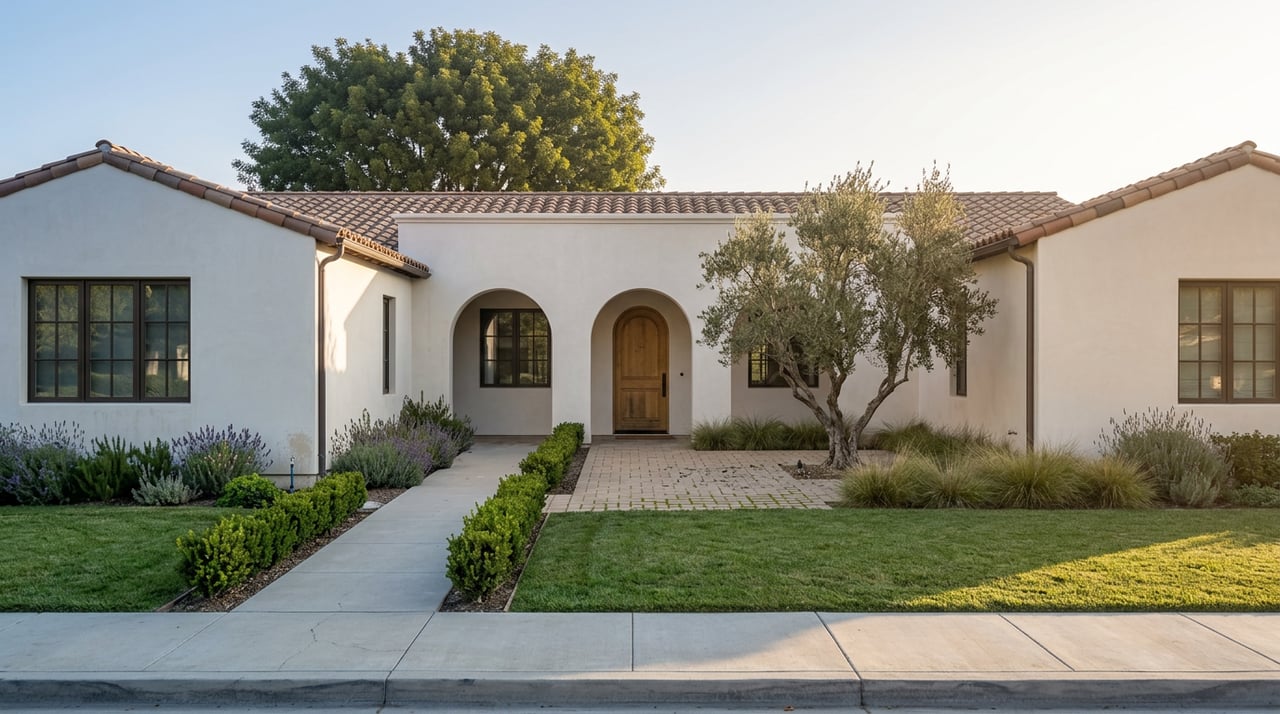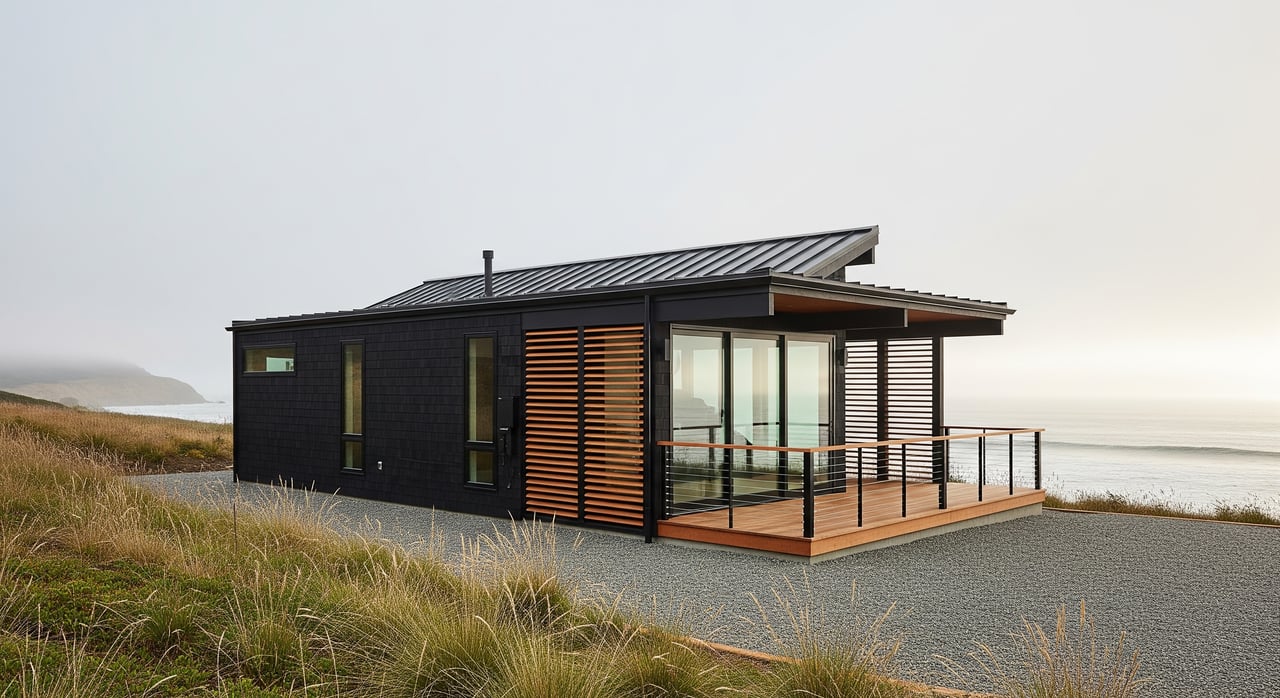
Planning an ADU on the Coastside can feel tricky. The same ocean breezes and fog that make Half Moon Bay special also challenge comfort, materials, and privacy on smaller lots. If you are wondering how to get a cozy, durable, and rentable ADU on a tight site, you are not alone.
This guide walks you through practical design moves that work with wind and fog rather than fighting them. You will learn how to place an ADU on a small lot, shape sheltered outdoor space, choose coastal-ready materials, and plan for local permitting and resilience. Let’s dive in.
Know Half Moon Bay’s microclimate
Half Moon Bay sits in a cool-summer Mediterranean zone shaped by the Pacific marine layer. Fog and low clouds are common, especially in late spring and summer mornings and evenings. Onshore winds tend to strengthen in the afternoon and during storms. Local microclimates can shift over just a few blocks due to topography and wind exposure.
The takeaway is simple. Expect limited direct sun on foggy days, regular wind, and higher humidity that can stress materials. Plan your layout and materials to manage moisture, protect from wind, and capture the best available daylight. For general climate context, explore the NOAA coastal resources and National Weather Service.
Start with site and orientation
Begin by mapping the wind and sun on your lot. Where is the lee side, downwind of the main house or a fence, that naturally feels calmer? Where does the sun last through the fog in the afternoon? Use those answers to set the ADU footprint.
- Place the ADU on the leeward side of existing structures or landscaping to reduce wind exposure.
- Face entries and patios toward the most sheltered, sunniest direction available, not directly into the prevailing onshore wind.
- Avoid placing large, operable windows where wind funnels between buildings or down gullies.
- Use clerestories and higher windows to pull in diffuse daylight while maintaining privacy.
Courtyards that create microclimate
Courtyards are your best friend on a windy, foggy site. A three-sided enclosure made by the main house, the ADU, and a fence can deliver a calmer, warmer outdoor room that extends living space.
- Use low walls, trellises, or hedges to reduce gusts while keeping air moving.
- Stagger or angle walls to avoid straight wind tunnels.
- Add paving with thermal mass, such as stone or aggregate, to hold daytime heat for cooler evenings.
Landscape as a wind tool
Thoughtful planting can slow wind and add privacy. Permeable windbreaks often perform better than solid walls because they reduce turbulence.
- Layered evergreen shrubs and small trees placed upwind can soften gusts.
- Choose salt-tolerant plantings near the coast and consider root-stabilizing species if you are near a bluff.
Right ADU types for small Coastside lots
Compact forms make life easier in Half Moon Bay’s conditions and on small parcels. They minimize exposed surfaces, simplify heating and ventilation, and lower construction cost per square foot.
Common options that work well:
- Detached courtyard ADU sited tight to a leeward wall.
- Garage conversion with a small addition to limit new exterior exposure.
- Upper-floor ADU tucked behind a parapet or windbreak, if allowed.
- Micro ADU or studio layout with multifunctional furniture.
Why compact helps: less surface area to leak heat or take on wind-driven rain, fewer complex flashing points, and simpler sound separation from the main house.
Materials and moisture: build for fog
Coastal air stays humid longer, so materials and details must drain and dry. Aim for assemblies that resist corrosion, shed water, and allow ventilation behind the cladding.
Cladding and exterior systems
- Fiber cement siding is durable and resists rot and insects. It performs best with a ventilated rainscreen gap.
- Coated metal panels and trims can work well. Use marine-grade coatings and corrosion-resistant fasteners. Avoid uncoated steel near salty air.
- Engineered exterior wood products can be viable when detailed with a rainscreen and good ventilation.
- Natural cedar can succeed with proper detailing and diligent maintenance, but expect more frequent re-coating near salt spray.
A rainscreen assembly is strongly recommended. Include a continuous weather-resistive barrier, vertical battens, and a ventilated cavity so any moisture that gets behind the siding can drain and dry.
Openings, flashing and waterproofing
Wind-driven rain will find weak points. Aim for robust window and door detailing.
- Use overhangs, recessed entries, and sloped sills to limit direct exposure.
- Include through-wall flashings and capillary breaks at grade transitions.
- Choose windows and doors rated for high-moisture conditions with reliable drainage weeps.
Metals, fasteners and finishes
- Specify stainless steel or hot-dip galvanized fasteners and connectors rated for coastal use.
- Use marine-grade or appropriately coated metals for flashing, gutters, and exterior hardware.
- Select paints and stains with mildew-resistant formulations to extend maintenance cycles.
Thermal control and ventilation
The goal is a comfortable interior that stays dry.
- Avoid wall assemblies that trap moisture. Design for drying to one side, based on the assembly.
- Mineral wool insulation performs well in moisture-prone areas and adds acoustic benefits.
- Plan for balanced mechanical ventilation with an ERV or HRV, or continuous exhaust, to control indoor humidity and improve air quality. California energy codes influence these choices, so coordinate with your design team.
Maintenance expectations
Coastal homes need more frequent checkups.
- Inspect flashing, seals, and metalwork annually, especially after storm season.
- Clean window weep holes and change ERV or HRV filters on schedule.
- Plan for periodic re-coating of siding and trims based on manufacturer guidance.
Quiet, privacy and comfort on tight sites
Small lots mean you hear more and see more. Wind and surf add to the soundscape. A few targeted upgrades can make your ADU feel calm and private.
Sound control that works
- Increase wall and roof mass where practical and maintain continuous air sealing to eliminate sound leaks.
- Choose double-glazed windows with good seals. Laminated glass helps with broader, low-frequency noise from wind and surf.
- Use dense insulation, such as mineral wool, and consider resilient channels or staggered studs to reduce sound transfer.
- If the ADU shares a structure with the main house, decouple floors and ceilings to reduce impact noise.
Privacy by design
- Create separate entries with visual buffers like trellises, low walls, or angled paths.
- Use translucent glass or higher windows for rooms that face neighbors.
- Place private patios on the leeward side or behind screening. Louvered panels, vertical plantings, and raised planters provide privacy without making spaces feel closed in.
Livability features that boost rentability
- Flexible floor plans with open kitchens and convertible spaces.
- Dedicated storage and laundry, whether in-unit or shared.
- Weather-protected outdoor seating, such as a small covered porch or a wind-sheltered courtyard.
- Efficient mini-split heat pumps for reliable heating and cooling in a compact package.
Permits, hazards and resilience
California law supports ADUs statewide, but coastal jurisdictions apply specific rules on setbacks, lot coverage, parking, and design review. In Half Moon Bay and the unincorporated Midcoast, contact the local planning department early to confirm what is allowed on your parcel.
If your site is near the bluff or in a low-lying zone, evaluate hazards early.
- Check your flood status with the FEMA Flood Map Service Center.
- Review coastal hazard guidance from the California Coastal Commission.
- Consider elevated foundations or limiting habitable space in the most exposed zones when needed.
Utilities and rentals can also shape feasibility.
- Coordinate with local utilities for service capacity and connection requirements.
- Confirm parking waivers or requirements and any coastal overlay rules.
- Verify short-term rental policies, business licensing, and taxes if you plan to rent. Coastal towns often limit short-term rentals.
Insurance and resilience go hand in hand on the coast. Flood and erosion exposure can affect premiums. Elevating electrical equipment and using flood-resistant finishes where appropriate can improve resilience over the long term.
Costs, pros and maintenance planning
Coastal-ready builds often front-load durability to save headaches later.
- Expect higher costs for durable cladding, corrosion-resistant hardware, rainscreens, stronger windows, and robust flashing.
- Budget for site work on small or sloped lots, including grading, terraces, or retaining walls.
- Choose contractors and architects with coastal experience and references for similar ADUs. Early coordination with structural and MEP pros helps address wind loads, moisture, and ventilation correctly.
Plan a maintenance routine from day one. A simple annual checklist can prevent bigger repairs and keep your ADU looking and performing like new.
Your next steps
- Map wind and sun on your lot to identify the calmest, sunniest corner.
- Select an ADU type that fits your footprint and privacy goals.
- Shape a three-sided courtyard or sheltered patio to create usable outdoor space.
- Specify rainscreen cladding and corrosion-resistant hardware.
- Include balanced mechanical ventilation and efficient heating.
- Speak with local planning early about size limits, setbacks, and any coastal review.
- Check FEMA flood maps and review Coastal Commission resources for hazards.
- Build a maintenance plan and budget for exterior care.
If you want a second set of eyes on site fit, rental appeal, and local permitting timing, we are here to help. Schedule a free, personalized market consultation with Unknown Company to get tailored guidance, vendor introductions, and a clear plan.
FAQs
Can I build an ADU on a narrow Half Moon Bay lot?
- Often yes. Garage conversions, attached ADUs, and small detached ADUs are common, but setbacks, lot coverage, and coastal overlay rules can limit placement. Check local planning early.
Will Half Moon Bay fog damage exterior materials on an ADU?
- Prolonged humidity and salt accelerate wear. Use a ventilated rainscreen, durable cladding, and corrosion-resistant fasteners, and plan for more frequent maintenance.
How do I keep an ADU comfortable during windy, foggy days on the Coastside?
- Create sheltered outdoor rooms, use efficient heating such as mini-splits, control ventilation with an ERV or HRV, and select glazing that balances daylight and weather protection.
Are solar panels worthwhile for an ADU with frequent fog in Half Moon Bay?
- Fog reduces morning sun, but afternoon sun and summer days can still yield useful production. Evaluate shading and orientation and base estimates on your specific site.
Will a well-designed ADU rent easily in Half Moon Bay?
- Rentability improves with privacy, a protected outdoor area, reliable HVAC and ventilation, durable finishes, and a separate entry. Confirm local rules if you plan short-term rentals.