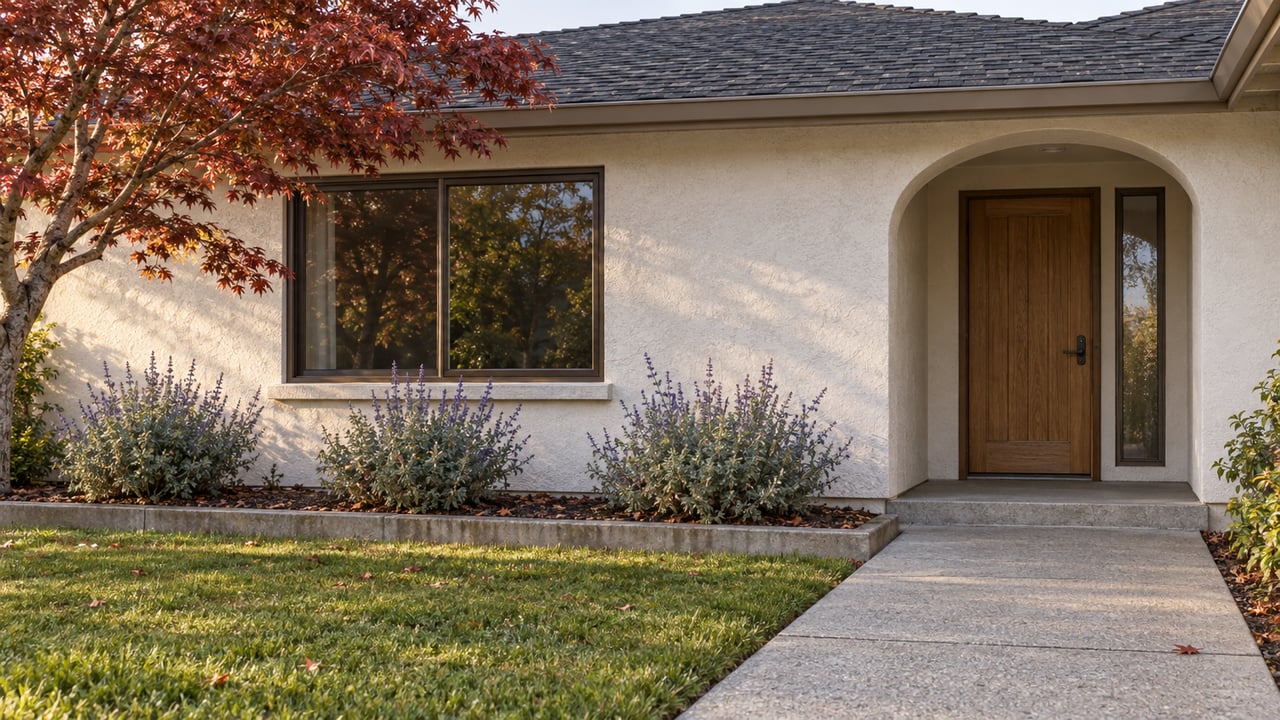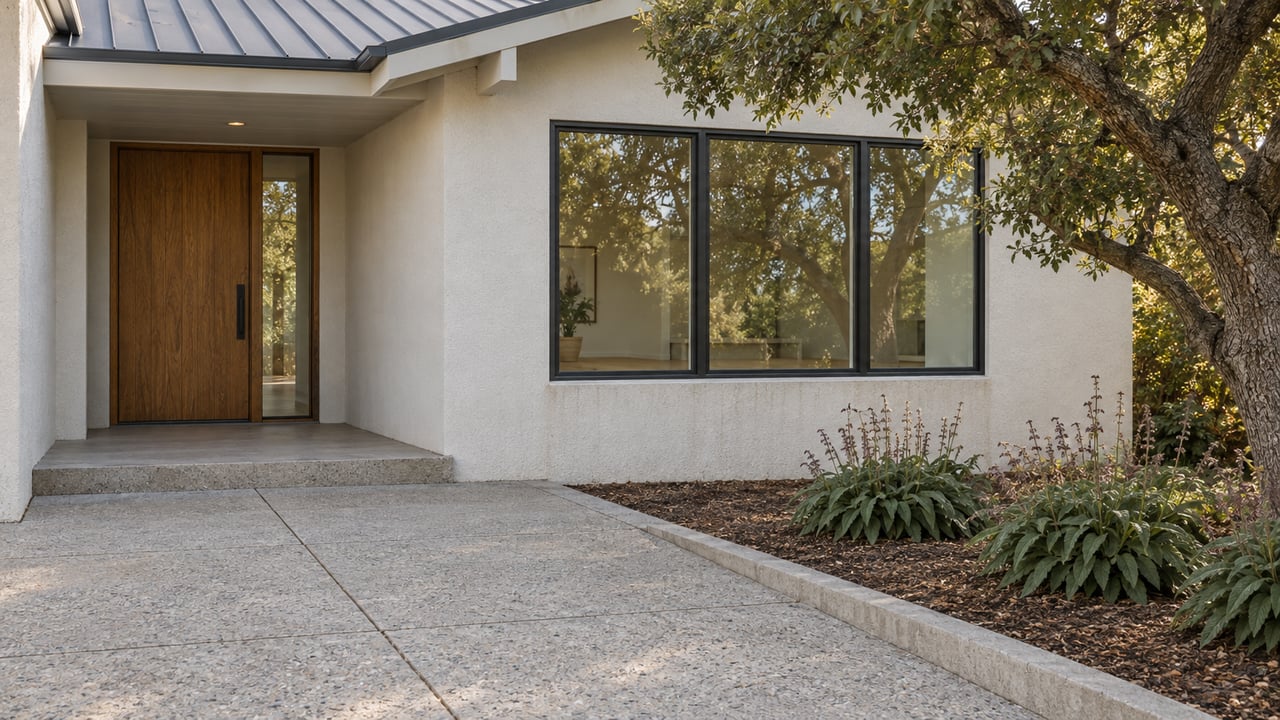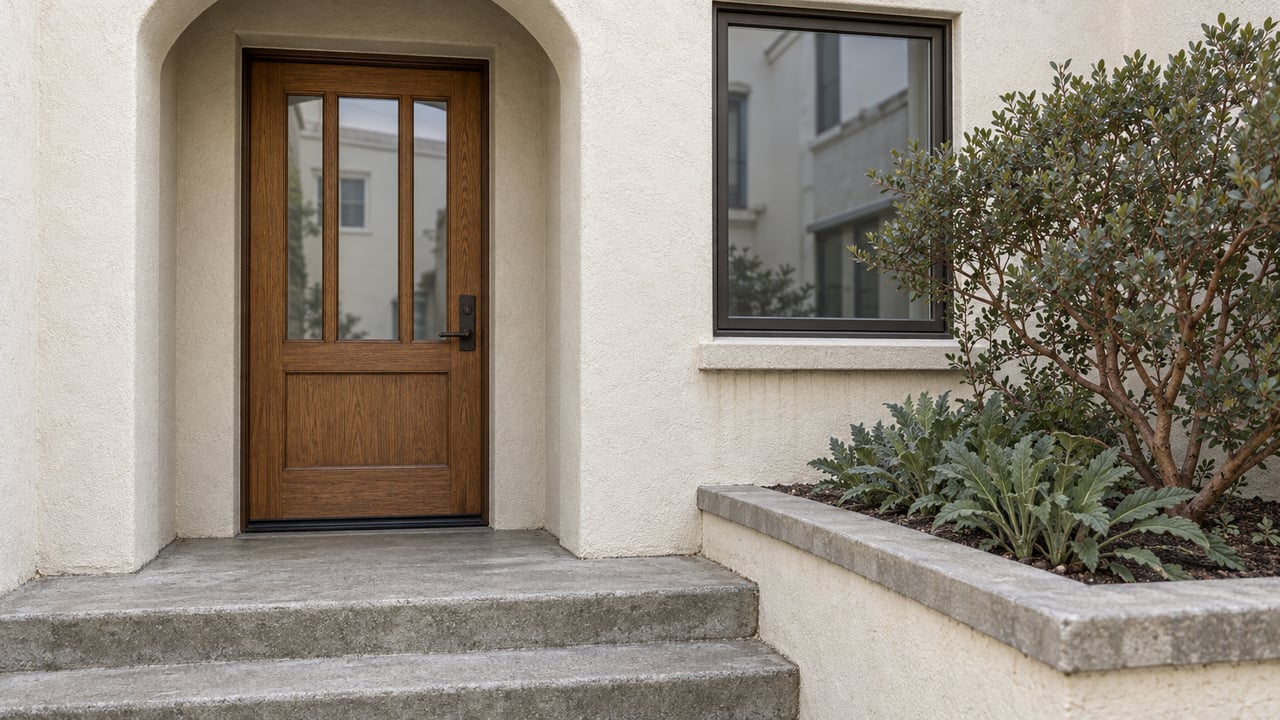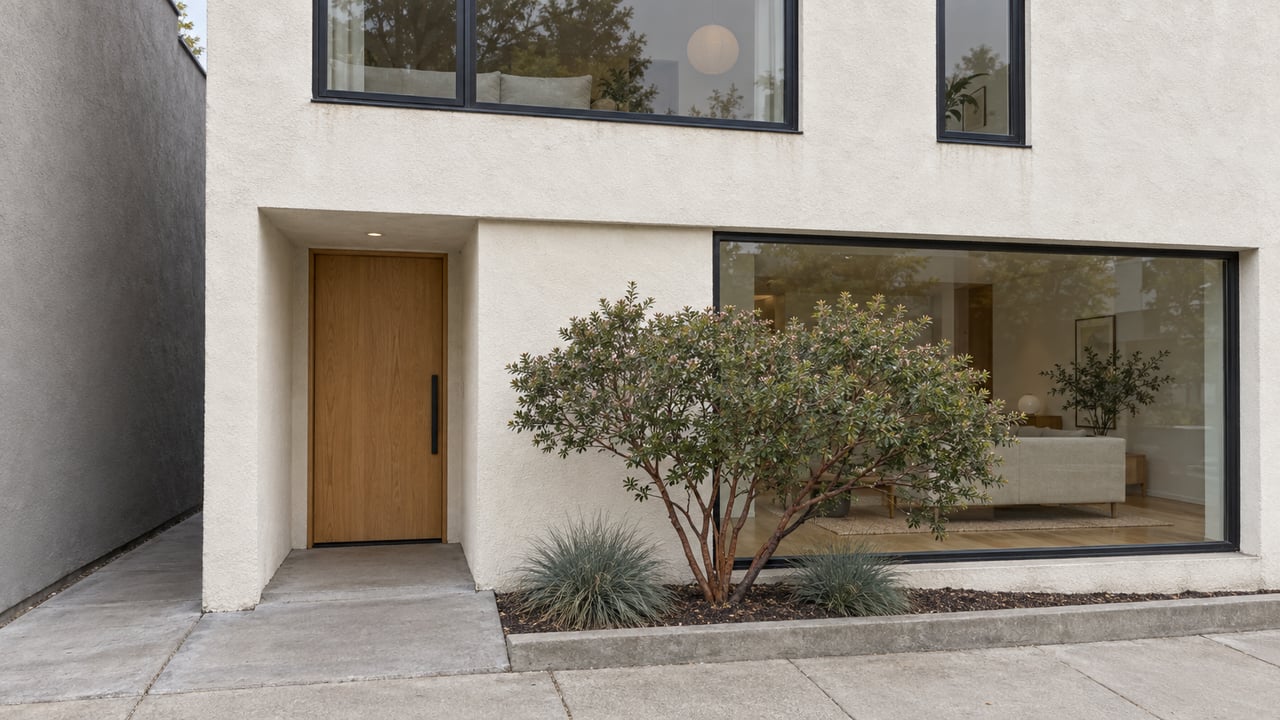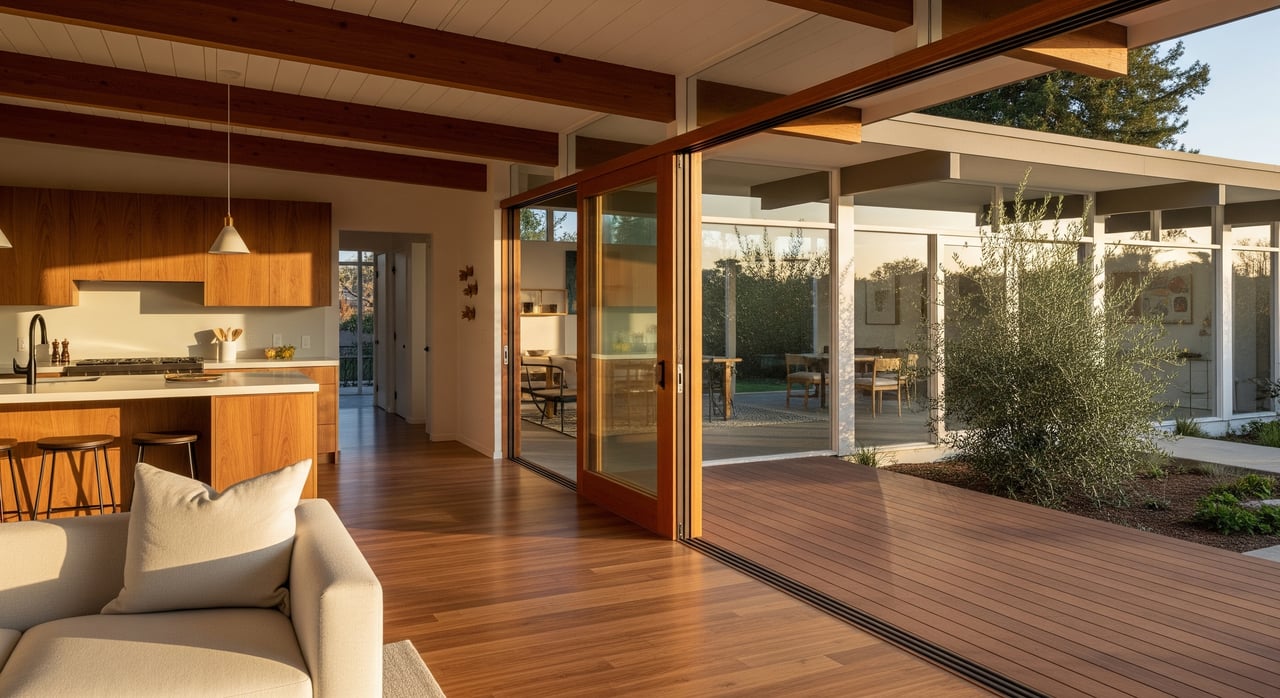
Love the glassy walls and clean lines of mid‑century modern homes, but not sure how an Eichler in Palo Alto holds up day to day? You are not alone. These homes deliver a rare blend of design and livability, yet they come with unique systems, maintenance needs, and market dynamics. In this guide, you will learn how to spot authentic features, plan smart upgrades that respect the architecture, inspect for common issues, and understand how those choices affect value and offers. Let’s dive in.
What defines an Eichler
Eichler homes were built from the late 1940s through the 1960s and helped bring modernist design to Bay Area neighborhoods. In Palo Alto, you will find them in established areas with strong demand. Buyers prize them for their openness, connection to the outdoors, and distinctive materials.
Core design features
- Post‑and‑beam construction with exposed wood
- Open floor plans with minimal interior walls
- Floor‑to‑ceiling glass and multislide doors
- Atriums or enclosed courtyards in many models
- Flat or low‑sloped roofs with deep overhangs
- Natural finishes, such as plywood paneling and concrete slab floors
Original systems you will often see
- Radiant heating embedded in the slab
- Single‑pane glass with limited insulation
- Little to no central AC in original condition
- Simple roof assemblies suited to mid‑century standards
- Slab‑on‑grade foundations
These elements create the signature look and feel, but they also shape energy use, comfort, and upgrade options.
Quick ID checklist
- Horizontal lines, low roof, and deep eaves
- Big glass walls facing yard or atrium
- Exposed beams and clean, simple materials
- Slab floors, often with radiant heat
Why Palo Alto buyers love them
Eichlers in Palo Alto sit near major employment centers, Stanford, and a range of community amenities. Location remains a major price driver. Many buyers value authenticity, and intact or sensitively updated homes often attract strong interest.
The design is a lifestyle choice as much as an architectural one. You get light, privacy, and indoor‑outdoor flow that suits everyday living. At the same time, expect to balance aesthetics with maintenance planning and thoughtful upgrades.
Smart upgrades that fit the style
The best updates improve comfort and performance without changing proportions or blocking sightlines. Aim for reversible or minimally invasive work.
Windows and glass
- Use slim‑profile double glazing or low‑E retrofit glass that preserves the original look.
- Consider interior or exterior storm panels if full replacements are not practical.
- Keep muntin patterns and sightlines consistent with the era.
Heating, cooling, and ventilation
- Install ductless mini‑split heat pumps, which add efficient heating and cooling without large duct runs.
- If radiant heat exists, verify its condition and consider hydronic upgrades or modern controls rather than removing the slab.
- Add balanced ventilation, such as ERV or HRV, to manage humidity and indoor air quality.
Insulation, roof, and drainage
- Add insulation in the roof assembly and other areas that do not disturb visible ceilings or paneling.
- Choose low‑profile roofing materials suited to flat or low‑slope roofs and ensure proper drainage to prevent ponding.
- Improve flashings and water management around clerestories and skylights.
Kitchens and baths
- Update plumbing, appliances, and finishes while keeping simple cabinet fronts, clean hardware, and period‑appropriate tile.
- Preserve built‑ins and open shelving to maintain sightlines and visual lightness.
Exterior and landscape
- Restore atrium functionality with careful drainage and modest, linear landscaping.
- Replace fences and gates with designs that match mid‑century proportions.
Structural and seismic
- Add seismic bolting, hold‑downs, and shear improvements where needed, designed to be discreet.
- Expect reinforcements rather than elevation changes due to slab foundations.
Permitting and documentation
- Favor permitted work and keep clear records. Documentation supports appraisals and future resale.
- Photograph intact features before any modifications to guide future restoration.
Maintenance and inspection priorities
The Bay Area climate and the homes’ age shape a predictable set of inspection items. Addressing these early protects value and helps you budget.
Glazing and thermal comfort
- Single‑pane glass can lead to heat loss, condensation, and noise.
- Check for cracked seals, fogging in any retrofitted units, and failing weatherstripping.
Roofs and drainage
- Flat and low‑slope roofs can leak if membranes or flashings are aging.
- Look for patches, interior stains, and any signs of ponding water.
Slab and radiant systems
- Inspect for slab cracks or uneven settlement.
- Confirm radiant heat functionality and note the age and condition of boilers or controls.
Wood, pests, and moisture
- Exposed posts, fascia, and siding are vulnerable to termites and dry rot.
- Review pest reports for evidence of wood‑destroying organisms.
Mechanical and electrical
- Many older systems lack central AC or use older heating equipment.
- Check electrical panel capacity and wiring suitability for modern loads.
Insulation and ventilation
- Expect limited insulation by today’s standards.
- Watch for condensation or mold potential in poorly ventilated zones.
Atriums and courtyards
- Beautiful focal points, but they require disciplined water management.
- Review planters, irrigation, and drains to prevent leaks at adjacent interiors.
Buyer inspection checklist
- Full home inspection with focus on roof, drainage, slab, radiant heat, and pests
- Glazing specialist review if you plan to upgrade windows or glass walls
- Structural and seismic assessment for retrofit scope and costs
- HVAC and electrical capacity evaluation
- Permit history review for remodels or structural changes
- Landscape and site drainage review, including grading and irrigation
How features shape value
In Palo Alto, location, lot, and school access are major price drivers. Within the Eichler niche, certain features and conditions can meaningfully tilt value.
Value drivers
- Intact original qualities, such as atriums, glass walls, built‑ins, and functioning radiant floors
- Thoughtful, reversible upgrades, including mini‑split AC, improved glazing, and sympathetic kitchen or bath updates
- Lot orientation and privacy, which enhance indoor‑outdoor living
Value risks
- Alterations that close off the open plan or add bulky second stories visible from the yard
- Deferred maintenance, including roof leaks, termite damage, or failed radiant heat
- Poorly documented or unpermitted work that complicates appraisal
Instead of assuming a set premium, look closely at how the home’s model, condition, and upgrades line up with recent sales.
Comps and appraisal essentials
When you compare Eichlers, match like for like before expanding your search.
- Model and floor plan, atrium versus non‑atrium matters
- Preservation level, original, partially updated, or fully remodeled
- Lot size and orientation, including sun and yard access
- Major systems, AC presence, roof age, seismic work, kitchen and bath status
- Location and school district, both are major drivers in Palo Alto
- Recency of sales, prioritize the most recent market data
Appraisers can account for originality and upgrade quality, and permit history influences contributory value. Professional, well‑documented restorations tend to fare better than ad‑hoc cosmetic changes.
Crafting a competitive offer
Financing and inspections
- Get fully preapproved and clarify any lender conditions about slab or radiant systems.
- Keep key inspections in place and budget for common findings before you consider waiving anything.
Contingencies and timing
- Shorter timelines can help in competitive situations, but weigh that against the home’s risk profile.
- Consider an appraisal gap strategy or escalation only if you understand the potential shortfall risk.
Due diligence requests
Permit records for renovations or structural work
Recent pest reports and any treatment history
Roof information, including membrane type and any re‑roofing
Radiant heat documentation, service records, and controls
Negotiation levers
- Use inspection findings to seek credits or targeted repairs for high‑impact items, such as roofing, pests, or mechanical systems.
- If price reductions are not possible, consider escrow holdbacks tied to specific contractor work.
If you want integrated guidance on loan options and offer structure, you can coordinate financing strategy alongside your search so your bid is both strong and prudent.
How to judge a remodel
A sympathetic remodel feels seamless. It preserves openness, visual lightness, and the indoor‑outdoor flow.
- Keeps low, horizontal lines and consistent ceiling planes
- Uses slim‑profile glazing and keeps glass walls open to the yard or atrium
- Maintains simple cabinetry, wood tones, and period‑appropriate tile
- Adds systems with minimal visual impact, such as mini‑splits and discreet seismic work
- Documents permits and changes for future valuation and resale
Work that blocks sightlines, adds bulky masses, or ignores drainage around atriums typically reduces appeal for Eichler‑focused buyers.
Next steps
Buying or selling an Eichler in Palo Alto rewards careful planning. Start with a clear inspection plan, evaluate upgrades through the lens of authenticity and comfort, and use the right comps to guide pricing. With calm, data‑driven guidance, you can enjoy the design you love and make a confident decision.
If you are exploring Eichlers or planning a sale, reach out to Sandra Darrow Realty, Inc. for a free, personalized consultation. You will get neighborhood‑level insight, integrated mortgage coordination, and a practical game plan tailored to your goals.
FAQs
What makes a Palo Alto Eichler an Eichler?
- Distinctive post‑and‑beam structure, big glass walls, an open plan, a flat or low‑slope roof, and often an atrium, usually with a slab foundation and radiant heat.
Which upgrades keep Eichler character intact?
- Slim‑profile double glazing, ductless mini‑split heat pumps, discreet seismic reinforcement, roof and drainage improvements, and kitchens or baths that keep simple, mid‑century proportions.
What major repairs are common with Palo Alto Eichlers?
- Roof membrane and flashing work, radiant heat maintenance, pest and dry rot treatment, electrical capacity updates, and drainage corrections around atriums and slabs.
Do Eichlers sell for a premium in Palo Alto?
- Premiums depend on model, originality, upgrade quality, lot orientation, and location. Review recent like‑for‑like comps to understand current pricing dynamics.
Which inspection contingencies should I keep on an Eichler?
- Keep inspections focused on roof and drainage, slab and radiant, pest, HVAC and electrical capacity, and permit history. Shorten timelines only after you budget for likely repairs.
How can I tell if a remodel is sympathetic to the style?
- It preserves open sightlines and glass walls, keeps low profiles and natural materials, and adds systems with minimal visual impact, all supported by permits and documentation.
Who should I hire for Eichler‑specific evaluations?
- A glazing specialist, HVAC contractor familiar with mini‑splits and radiant systems, a structural or seismic engineer, a pest inspector experienced with exposed wood, and a roofing contractor skilled in low‑slope assemblies.