If your workdays start with a calendar full of meetings and a commute that changes by the week, where you live in Sunnyvale can make a big difference. Some parts of the city are built around Caltrain, some work better for light rail and shuttle connections, and others are better if you want driving flexibility with transit as a backup. This guide will help you understand Sunnyvale’s main commute-friendly areas, what each one offers, and how to match a neighborhood to your routine. Let’s dive in.
Why Sunnyvale Works for Tech Commuters
Sunnyvale stands out because it offers more than one way to get around. The city describes itself as transit-oriented, with quiet neighborhoods, a historic downtown, and major job centers nearby. For many tech commuters, that mix matters more than relying on a single transit line.
You have several options to work with. Caltrain provides a strong regional connection, while VTA adds local bus and light rail service. Sunnyvale also has commuter shuttle connections and a bike network that supports short rides to stations, offices, and key corridors.
That flexibility is one of Sunnyvale’s biggest strengths. Instead of asking whether the city is “good for commuting” in a general sense, it helps to ask which part of Sunnyvale fits the way you actually travel.
Downtown Sunnyvale for Caltrain Access
If you want a Caltrain-first lifestyle, downtown Sunnyvale is usually the clearest fit. Sunnyvale Station sits in Caltrain Zone 3, opens onto Murphy Avenue, and connects directly with VTA routes 20, 21, 53, 55, and Rapid 523. The station is also wheelchair accessible, which adds convenience for a wider range of riders.
Downtown is designed to support a more pedestrian-friendly routine. The city describes the area as a mixed-use district with major anchors like Historic Murphy Avenue, the Downtown Core and Cityline area, Plaza del Sol, and Redwood Square. That means you are looking at a part of Sunnyvale where daily errands, dining, and transit can work together more easily.
For many buyers, the appeal is simple. You may be able to walk to Caltrain, meet friends on Murphy Avenue, and keep your day-to-day routine more compact. If you value convenience and want to cut down on car trips, downtown deserves a close look.
Heritage District Adds Character Near Downtown
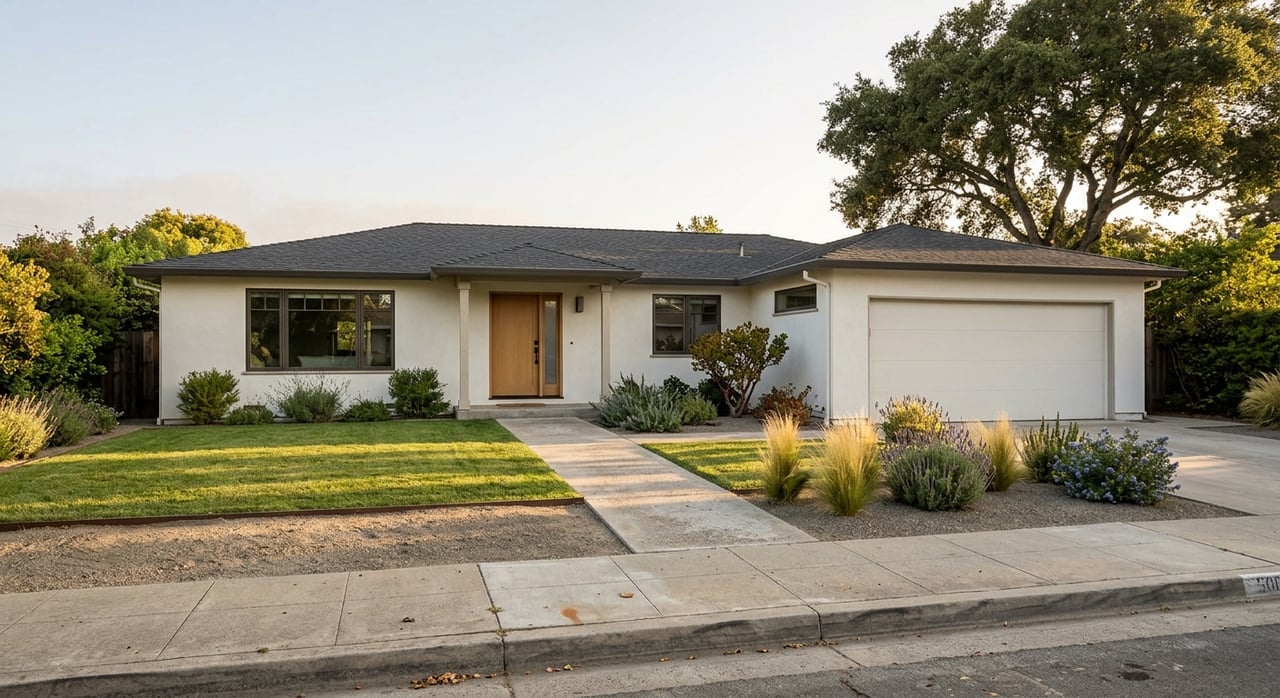
The Heritage District is Sunnyvale’s oldest residential area and offers a different feel from the newer mixed-use downtown core. The city identifies its boundaries as Maude Avenue, Wolfe Road, Old San Francisco Road, and Mathilda Avenue. Housing here is mostly single-family bungalows from the 1930s to 1950s, along with some condominiums, including the Santa Helena complex near Arques Avenue and North Fair Oaks Avenue.
For a commuter, this area can be appealing because it blends older residential streets with access to downtown amenities. You may get more of a traditional neighborhood setting while staying relatively close to Sunnyvale Station and the downtown core. That balance can be attractive if you want transit access without living in the middle of newer development.
The area also connects to city amenities beyond the station. The Sunnyvale Community Center just east of downtown includes arts, recreation, a senior center, and the Heritage Park Museum and orchard campus. Public art walking tours also include Downtown, Murphy Park, and Community Center and Heritage District routes.
North Sunnyvale for Light Rail and Shuttles
If your work is closer to office campuses or you split time between Sunnyvale, Mountain View, and other South Bay destinations, North Sunnyvale may be a better match. This area includes Moffett Park and nearby employment-focused districts that are strongly tied to transit infrastructure. Instead of being centered on one main rail station, this part of the city is built around a mix of light rail, bus, shuttle, and bike access.
The Moffett Park area is served by the VTA Orange Line, with four stops in the study area. The Lockheed Martin Transit Center at Mathilda Avenue and 5th Avenue is another important node, along with VTA bus routes 56 and 523 and the ACE Red shuttle. The city also describes continuous pedestrian facilities and bike lanes or routes on nearby streets.
This gives North Sunnyvale a different kind of commuter advantage. It may not feel as traditionally walkable as downtown, but it can work well if your job is tied to office campuses, shuttle stops, or north-side transit connections. For some buyers, that practical commute value is the main draw.
Peery Park Is Evolving
Peery Park is especially worth watching if you are thinking long term. The city’s planning documents show that the area is evolving from a workplace-focused district toward a more mixed-use environment, with up to about 1,600 homes proposed through the amendment process. That points to a neighborhood pattern that may continue to add housing near employment uses.
Sunnyvale also launched Peery Park Rides in February 2025. This is a free on-demand transit service for northwest Sunnyvale that runs Monday through Friday from 7 a.m. to 7 p.m. The service area is bounded by US 101, Fair Oaks Avenue, El Camino Real, and the Mountain View border.
For commuters, that kind of last-mile option can be meaningful. If your office, shuttle stop, or daily routine falls within that service area, it adds another layer of flexibility that you may not find in every suburban market.
Central, West, and South Sunnyvale
Not every commuter wants to live next to a station or office campus. If you drive often but still want transit and bike options available, central, west, and south Sunnyvale may make more sense. These parts of the city are generally more car-oriented, but they still have useful connections.
El Camino Real is a good example of this tradeoff. The city’s specific plan says the corridor is served by VTA, includes 13 signalized intersections within Sunnyvale, and has a Class II bike lane in some segments. At the same time, the city does not consider it a comfortable walkable environment in the Complete Streets sense.
That means your day-to-day experience may rely more on driving, bus use, or biking than on walking. For some households, that is perfectly workable. If you need quick road access and want transit as a backup rather than your main mode, these areas can still be worth considering.
Bike Connections Matter Here
Bike access is a major part of Sunnyvale’s commute picture, especially outside downtown. The city notes that local roads are generally bike-accessible except highways, and it continues to invest in corridors that improve connections to transit and employment areas. This can be especially useful if your ideal setup is a short bike ride to a station rather than a long walk.
Guided bike routes and trail projects help support that approach. Route 352 runs north-south between the southern city limits and Moffett Park. The Evelyn Avenue Multi-use Trail is planned as a Class I shared-use path from the Mountain View and Sunnyvale city limit to Mathilda Place, and the East Channel Trail will connect the north end of the city to Homestead Road.
For many buyers, this opens up more of the city. A home that is not within easy walking distance of transit may still work well if the bike connection is simple and direct.
What Housing Looks Like Across Sunnyvale
Sunnyvale’s housing stock is mixed, which gives buyers a wider range of options depending on budget, commute goals, and lifestyle preferences. According to the city’s housing plan, owner-occupied units make up 47% of the housing stock. The city also includes single-family homes, multi-family housing, and mobile homes.
A large share of the housing is older as well. The city reports that 61% of Sunnyvale’s housing was built in 1979 or earlier. That matters because it helps explain why the city feels varied from one area to another, with older suburban patterns in some neighborhoods and newer infill development closer to transit hubs.
If you are comparing neighborhoods, it helps to think beyond commute time alone. You may also want to weigh whether you prefer an older single-family setting, a condo closer to downtown, or newer housing tied to evolving mixed-use areas.
Lifestyle Perks Beyond the Commute
A strong commute is important, but it is only part of what makes a neighborhood work. Sunnyvale also offers a broad mix of everyday amenities that can shape how a place feels once the workday ends. That can matter just as much as station access over time.
The city says Sunnyvale has 772 acres of parks and open space. Neighborhood assets like Fair Oaks Park and Ponderosa Park add everyday recreation options outside the downtown core. If you want green space built into your routine, that is a meaningful plus.
Sunnyvale also notes that it has more than 200 public art pieces citywide, with self-guided tours that include Fair Oaks and Heritage District routes. In downtown, Murphy Avenue remains a popular dining and entertainment destination. Together, these features help explain why different parts of Sunnyvale can appeal to different kinds of commuters.
How to Choose the Right Sunnyvale Area
The best neighborhood for you depends on how you actually move through the week. A home that looks ideal on a map may feel less practical if it does not match your real commute pattern. That is why it helps to start with your routine, then narrow your search.
Here is a simple way to think about Sunnyvale’s main commute profiles:
- Choose downtown Sunnyvale or the Heritage District if you want the strongest fit for a Caltrain-centered lifestyle.
- Choose North Sunnyvale, Moffett Park, or Peery Park if light rail, shuttles, office access, and last-mile options matter most.
- Choose central, west, or south Sunnyvale if you expect to drive often but still want bus and bike connections available.
In other words, Sunnyvale is not one transit story. It is a city with several distinct commute styles, and that gives you room to find a setup that fits your work, schedule, and home preferences.
If you want help comparing Sunnyvale neighborhoods based on your actual commute and housing goals, Sandra Darrow Realty, Inc. offers calm, personalized guidance for Bay Area buyers and sellers.
FAQs
What part of Sunnyvale is best for Caltrain commuters?
- Downtown Sunnyvale and the Heritage District are usually the best fit if you want close access to Sunnyvale Station, Murphy Avenue, and the downtown mixed-use core.
Which Sunnyvale area works best for light rail and office-campus commuting?
- North Sunnyvale, including Moffett Park and Peery Park, stands out for VTA Orange Line service, shuttle connections, and access to office-focused districts.
Is Sunnyvale good for bike commuting to transit?
- Yes. The city maps bike routes and transit connections, notes that local roads are generally bike-accessible except highways, and continues to invest in trails and bike-supportive corridors.
Are central and south Sunnyvale walkable for commuters?
- These areas are generally more car-oriented than downtown, especially along El Camino Real, but they still offer bus service and bike connections that can support commuting.
What types of homes can you find in Sunnyvale?
- Sunnyvale has a mix of single-family homes, multi-family housing, and mobile homes, with both older neighborhoods and newer infill development near transit-oriented areas.