Thinking about selling your Mountain View townhome? In a market where homes can go pending in about 9 days and buyers often compare several similar properties at once, preparation can shape both your timeline and your final result. If you want to sell with less stress and stronger positioning, it helps to know what to fix, what to gather, and what local buyers are likely to notice first. Let’s dive in.
Understand the Mountain View townhome market
Mountain View remains a high-demand market, but that does not mean every townhome should be approached the same way. Redfin’s March 2026 city data shows a median home sale price of $2.0 million, about 3 offers on average, and homes going pending in roughly 9 days. For townhomes specifically, Redfin showed 35 townhouses for sale at a median listing price of $1.44 million.
That broad snapshot is useful, but townhome sellers should go deeper. A Q1 2026 Mountain View condo and townhome review reported a median sale price of $1,428,888, with 67% of homes selling over list price and 62% selling in under two weeks. It also showed clear differences by area, which means your likely price and pace depend heavily on your complex, floor plan, and nearby comparable sales.
Price from your micro-market
One of the biggest mistakes a seller can make is relying too much on a citywide median. In Mountain View, pricing should be anchored to recent sales in your same complex whenever possible, then widened to similar homes in the same corridor if needed. That gives you a more realistic picture than a broad city average.
Small details can also affect value in a big way. Buyers may weigh parking, garage function, outdoor space, updates, HOA dues, and possible assessment exposure when comparing homes. If your townhome has strong practical features, those need to be reflected clearly in the pricing strategy and marketing presentation.
Why one neighborhood number is not enough
The Q1 2026 local review found that Downtown Mountain View averaged lower pricing and took longer to sell than some other subareas. Rengstorff and San Antonio showed stronger pricing and faster absorption. That kind of variation is exactly why sellers benefit from a tight, highly local comp set.
If your townhome is near Castro Street, a transit corridor, or North Bayshore commute routes, buyer priorities may look a little different than they would in another part of the city. Location context matters, but it works best when paired with your exact home’s condition and layout.
Focus on what Mountain View buyers notice
Downtown Mountain View is officially described by the City as a walkable mixed-use center with restaurants, shopping, performing arts, and strong transit access. The Mountain View Caltrain station is served by Caltrain, VTA light rail, VTA bus, the Mountain View Community Shuttle, and MVgo shuttle services. North Bayshore planning also emphasizes transportation patterns that support alternatives to driving.
For you as a seller, that points to a practical takeaway. Buyers in these areas are likely to care about commute convenience, low-maintenance living, parking or garage usability, and smart storage. Your home should feel easy to live in from the moment someone walks through the door.
Features worth highlighting
If they apply to your townhome, these are the kinds of details that can resonate with buyers:
- Garage storage that feels organized and useful
- Easy entry and functional parking
- Clean, uncluttered living spaces
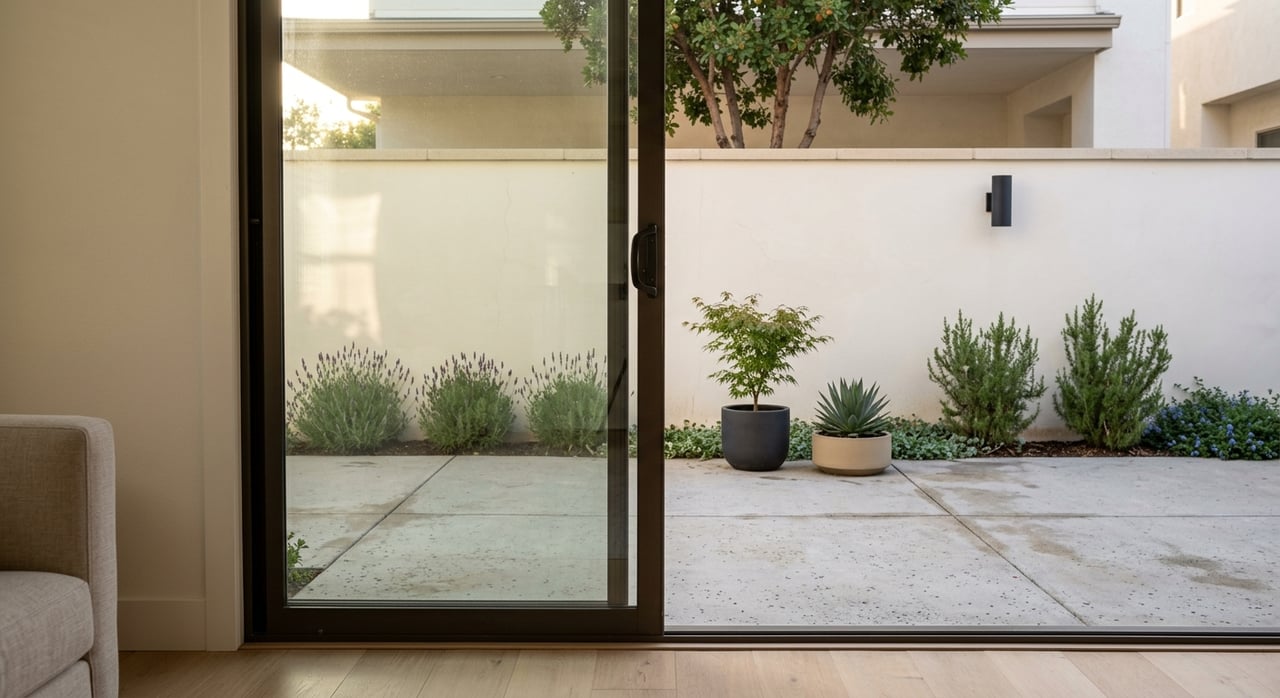
- Simple outdoor areas that look low maintenance
- Layout flow that supports work, commuting, and everyday living
- Proximity to downtown amenities or transit options
The goal is not to oversell. It is to help buyers quickly understand how the home fits their daily routine.
Start with home prep that improves first impressions
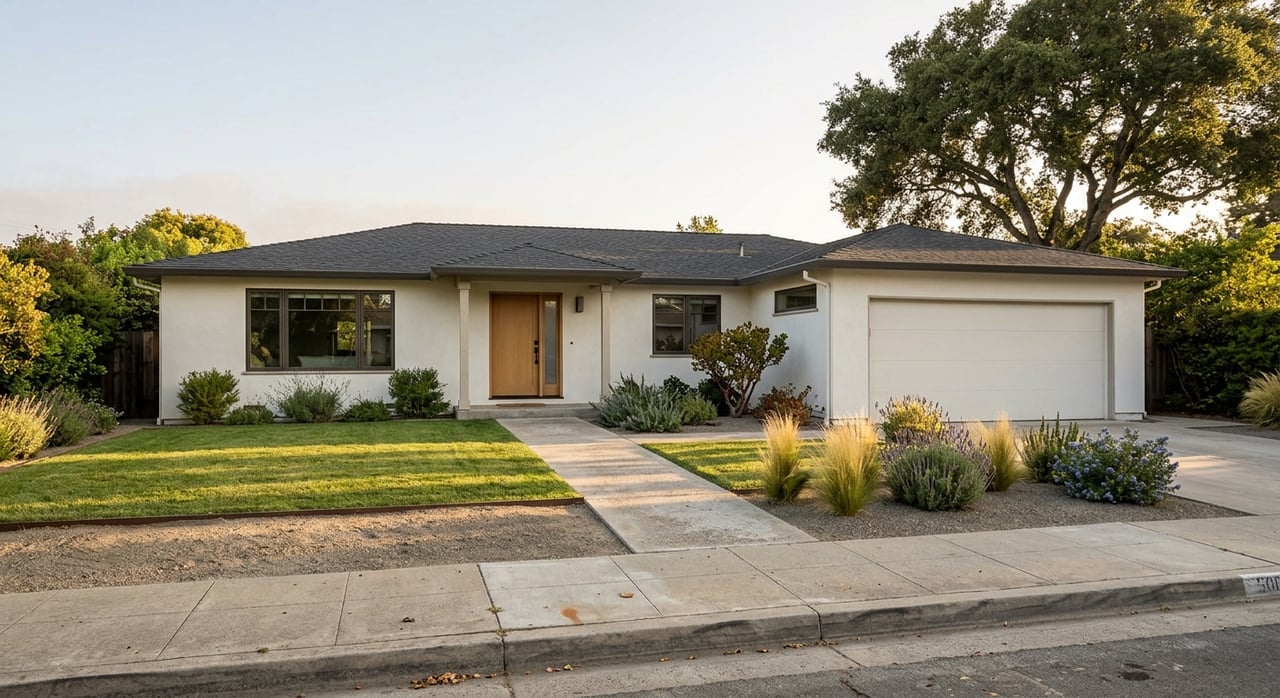
In a fast-moving market, first impressions carry a lot of weight. Buyers often decide within moments whether a home feels cared for, bright, and easy to picture as their own. That is why early prep usually pays off.
Research from the National Association of REALTORS® found that 83% of buyers’ agents said staging makes it easier for buyers to visualize a property as a future home. In that same study, the living room ranked as the most important room to stage, followed by the primary bedroom and kitchen. Some buyers’ agents also reported that staging increased the dollar value offered by 1% to 5% compared with similar unstaged homes.
Best pre-listing updates for a townhome
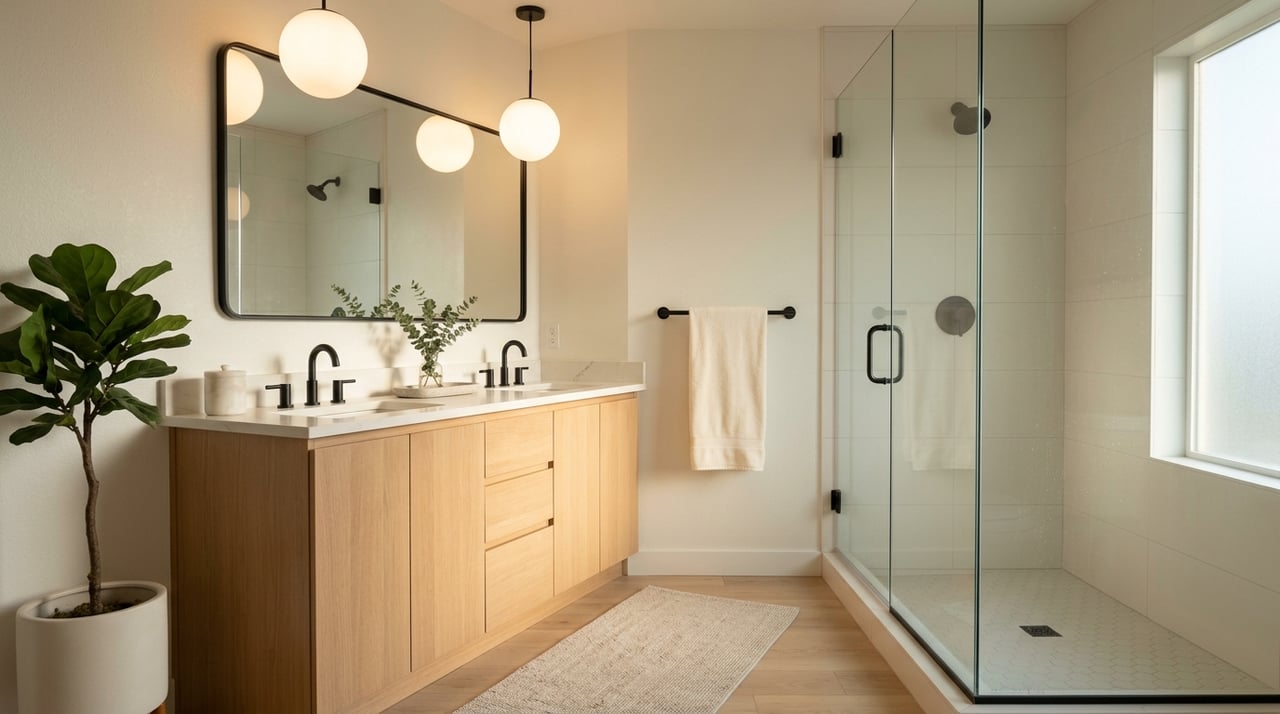
You do not always need a major remodel before selling. In many cases, the best return comes from updates that reduce buyer hesitation and make the home feel move-in ready.
Prioritize these items first:
- Declutter every room, closet, and storage area
- Deep clean before photography and showings
- Touch up paint where walls, trim, or doors show wear
- Refresh simple hardware or light fixtures if they look dated
- Fix obvious maintenance issues buyers will notice right away
- Improve lighting so rooms feel brighter and more open
These steps help buyers focus on the space itself instead of small distractions. In a market where shoppers may see several similar homes in one weekend, that matters.
Stage for flow, scale, and light
Townhomes often benefit from careful staging because room dimensions and multi-level layouts can feel different from detached homes. Furniture that is too large can make a room feel tight, while poor placement can interrupt flow. A lighter, more intentional setup helps buyers see how the home lives.
Pay special attention to the living room, primary bedroom, and kitchen. Those spaces tend to do the most work in helping buyers connect emotionally with the property. Keep surfaces clean, decor simple, and pathways open.
Get HOA documents early
If your townhome is part of a common interest development, document preparation is not something to leave until the last minute. Under California Civil Code 4525, sellers of these properties must provide a substantial set of HOA-related materials as soon as practicable before transfer or contract execution.
These materials can include governing documents, the most recent budget and reserve information, current regular and special assessments, unpaid amounts, unresolved violation notices, approved but not yet due assessment changes, rental restrictions, requested board minutes from the prior 12 months, and the latest report issued under Section 5551.
Why timing matters
California Civil Code 4530 gives the association 10 days to provide requested documents, and the seller is responsible for compensating the provider. That means waiting too long can create unnecessary pressure right when buyer interest starts coming in.
A smart timeline is to request the HOA package early, even before photography is finished. That way, you can review the material, address questions in advance, and avoid scrambling during negotiations.
Prepare your disclosures carefully
Disclosure prep is one of the most important parts of selling a home in California. For most residential properties with one to four dwelling units, a Transfer Disclosure Statement is required. California Department of Real Estate guidance also explains that the seller is responsible for disclosures about the property’s condition, while the broker must conduct a reasonably competent and diligent visual inspection and disclose material facts affecting value or desirability.
The key here is completeness and clarity. Buyers move quickly in Mountain View, but they still want confidence. Well-prepared disclosures can reduce uncertainty and support a smoother transaction.
Natural hazards and older homes
If your property lies within a mapped natural hazard area, the Natural Hazard Disclosure Statement must identify applicable conditions such as flood, dam inundation, fire hazard, earthquake fault, or seismic hazard issues. This is required when the property is within state-mapped hazard areas.
If your townhome was built before 1978, federal law requires disclosure of known lead-based paint or lead hazards before sale, along with the required lead information pamphlet. If any pre-sale work will disturb painted surfaces in an older home, lead-safe work practices are also important to keep in mind.
Build a clean launch plan
The strongest listings usually feel polished because the work happened before the home hit the market. In Mountain View, where townhomes can attract fast attention, that preparation can give you more control over your launch.
A practical sequence looks like this:
- Request HOA documents
- Begin seller disclosures
- Identify and complete visible repairs
- Declutter, clean, and refresh paint or fixtures as needed
- Stage key rooms
- Photograph the home once it is fully ready
- Launch with pricing based on your specific micro-market
This order helps you avoid rushing through key details after the listing goes live. It also supports a more confident showing and offer process.
Work with a strategy, not just a checklist
Selling a Mountain View townhome is rarely just about putting a sign in the yard. It is about reading the right comps, preparing the property to compete, gathering the right documents, and timing the launch so buyers see the home at its best. In a market this active, details can influence both speed and leverage.
That is where calm, local guidance makes a difference. If you want help preparing your Mountain View townhome for sale, pricing it thoughtfully, and coordinating the steps from staging through launch, Sandra Darrow Realty, Inc. is here to help with a personalized plan.
FAQs
What should you do first before selling a Mountain View townhome?
- Start by reviewing recent comparable sales in your complex or nearby area, then request HOA documents early and make a plan for repairs, staging, and disclosures.
How fast do Mountain View townhomes usually sell?
- Local 2026 market data in the research report suggests many Mountain View townhomes sell quickly, with a median of about 9 days on market and 62% selling in less than two weeks in one local review.
Which rooms matter most when staging a Mountain View townhome?
- Staging research cited in the report found the living room matters most, followed by the primary bedroom and kitchen.
Why are HOA documents important when selling a California townhome?
- California law requires sellers in common interest developments to provide key HOA materials, and those documents can affect buyer confidence, review time, and transaction timing.
How should you price a Mountain View townhome for sale?
- Price should be based on recent sales in the same complex, floor plan, or nearby corridor, with adjustments for condition, parking, outdoor space, HOA dues, and assessment exposure.