Wondering if you can enjoy San Jose living without making your Peninsula work commute feel overwhelming? You are not alone. Many Bay Area buyers are trying to balance home style, daily travel, and long-term lifestyle goals, and San Jose often enters the conversation for good reason. If you are considering this move, it helps to understand how the commute corridors, housing options, and neighborhood patterns fit together. Let’s dive in.
Why San Jose Works for Peninsula Commuters
For many buyers, San Jose can be a practical home base if you work somewhere along the Peninsula commute network. The key is to stop thinking of the trip as one single commute and start thinking about which corridor best matches your office location.
According to Caltrans, US-101 is a major south-north connector through Silicon Valley and the Bay Area. I-280 is the main alternative for South Bay to San Francisco trips, and State Route 85 links US-101 in San Jose to US-101 in Mountain View and to I-280 in Cupertino. In simple terms, 101 often works as the straightforward east-side corridor, 280 is the west-side option, and 85 can be especially useful if you are coming from West San Jose.
That matters because the best part of San Jose for you may depend less on the city as a whole and more on where your office sits. A job near Palo Alto, Menlo Park, Mountain View, or a Caltrain stop can point you toward a different home search strategy.
Match Your Route to Your Office
US-101 for east-side access
If your office is best reached from the east side of the Peninsula corridor, US-101 is often the most direct route. Buyers looking at San Jose from a car-commute perspective usually want to know how quickly they can connect to this north-south spine.
This route can make sense if your work destination is not especially close to rail and you expect to drive most days. In that case, being realistic about your on-ramp access and daily timing becomes just as important as the home itself.
I-280 for west-side travel
I-280 is the main alternative for South Bay to San Francisco trips. For some buyers, especially those looking in west-side parts of San Jose, this corridor can feel like the more natural fit.
If your office sits closer to the western side of the Peninsula, this route may shape your search. It is one reason West San Jose often stands out for buyers who expect a car-based Peninsula commute.
State Route 85 as a connector
State Route 85 plays an important supporting role. It connects US-101 in San Jose to US-101 in Mountain View and to I-280 in Cupertino, which makes it especially relevant for many West San Jose addresses.
For buyers, 85 can expand your options. You may not need to live right next to one single freeway if your location gives you flexible access to more than one corridor.
Caltrain Can Change the Equation
Driving is not the only way to make this commute work. Caltrain is the most important transit option for this pattern because its corridor includes San Jose Diridon, Santa Clara, Mountain View, Palo Alto, and Menlo Park.
That is even more relevant now because Caltrain launched fully electrified service on September 21, 2024. If you can live near a station or use a feeder bus, rail may reduce the need to drive all the way into the Peninsula core.
For some buyers, that opens up a different kind of home search. Instead of focusing only on freeway access, you might prioritize proximity to Diridon, Santa Clara station access, or neighborhoods with practical transit connections.
VTA Helps With Last-Mile Trips
Transit often works best when the last mile is manageable. VTA adds flexibility here, with current routes that include Express 101 from Camden and Highway 85 to Stanford Research Park, Route 89 between California Avenue Caltrain and Palo Alto VA Hospital, and Route 200 between Baypointe and Mountain View.
VTA also notes that Caltrain connections to light rail are available at San José Diridon and Mountain View. If your work trip includes a station, shuttle, or local bus connection, you may be able to build a commute that feels more flexible than an all-drive routine.
West San Jose vs Central San Jose
One of the biggest mistakes buyers make is treating San Jose like one uniform market. It is not. West San Jose and central San Jose can feel quite different, especially for someone thinking about a Peninsula commute.
West San Jose for car commuters
West San Jose is commonly associated with areas around Winchester Mystery House, Santana Row, Westgate West, De Anza Boulevard, and Stevens Creek Boulevard. City materials also describe the Saratoga Urban Village area as a mix of shopping plazas, offices, community-serving uses, single-family homes, apartments, and multifamily housing.
For many buyers, West San Jose is the obvious choice when the commute is mostly car-based. Its access to I-280, 85, and major western shopping and service corridors can make everyday life feel efficient.
You may also find that this part of the city better matches buyers who want a more traditional residential setup while staying connected to major routes. That does not mean one housing type only, but it does point to a different feel than the more transit-oriented central areas.
Central San Jose for transit access
Central San Jose has a more mixed and transit-oriented pattern. The West San Carlos Urban Village Plan describes this area as mixed-use, walkable, and transit-oriented, with housing, retail, live-work spaces, and senior housing.
The Alameda Urban Village Plan also encourages mixed-use development near Diridon while respecting established single-family neighborhoods. The city identifies Diridon as a major transit hub at the western edge of downtown, which makes central San Jose especially worth a look if Caltrain access matters to you.
If you picture yourself using rail for at least part of the workweek, central San Jose may deserve extra attention. It can be a strong fit for buyers who want a more urban neighborhood pattern tied to transit.
Housing Variety Is a Major Advantage
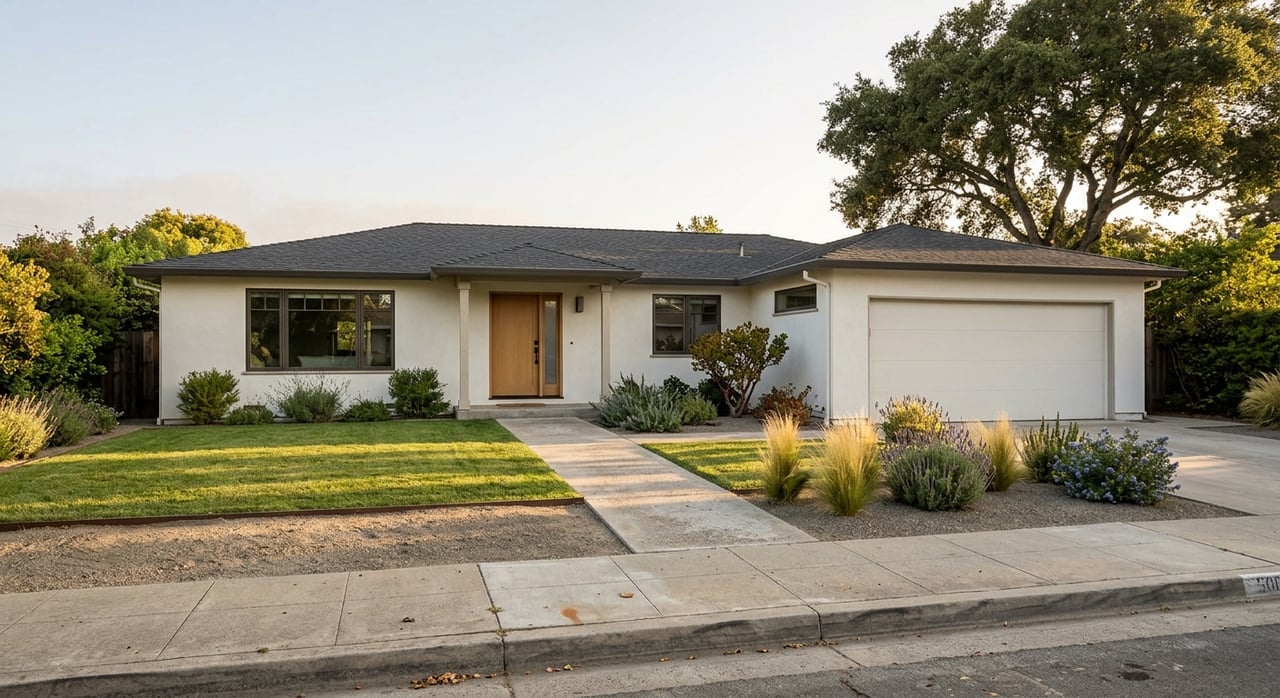
San Jose is not a one-product housing market. According to the City of San Jose Housing Element, the 2020 housing stock was 52.5% single-family detached, 9.7% single-family attached, 7.0% in 2-to-4-unit buildings, 27.5% in 5-plus-unit buildings, and 3.3% mobile homes.
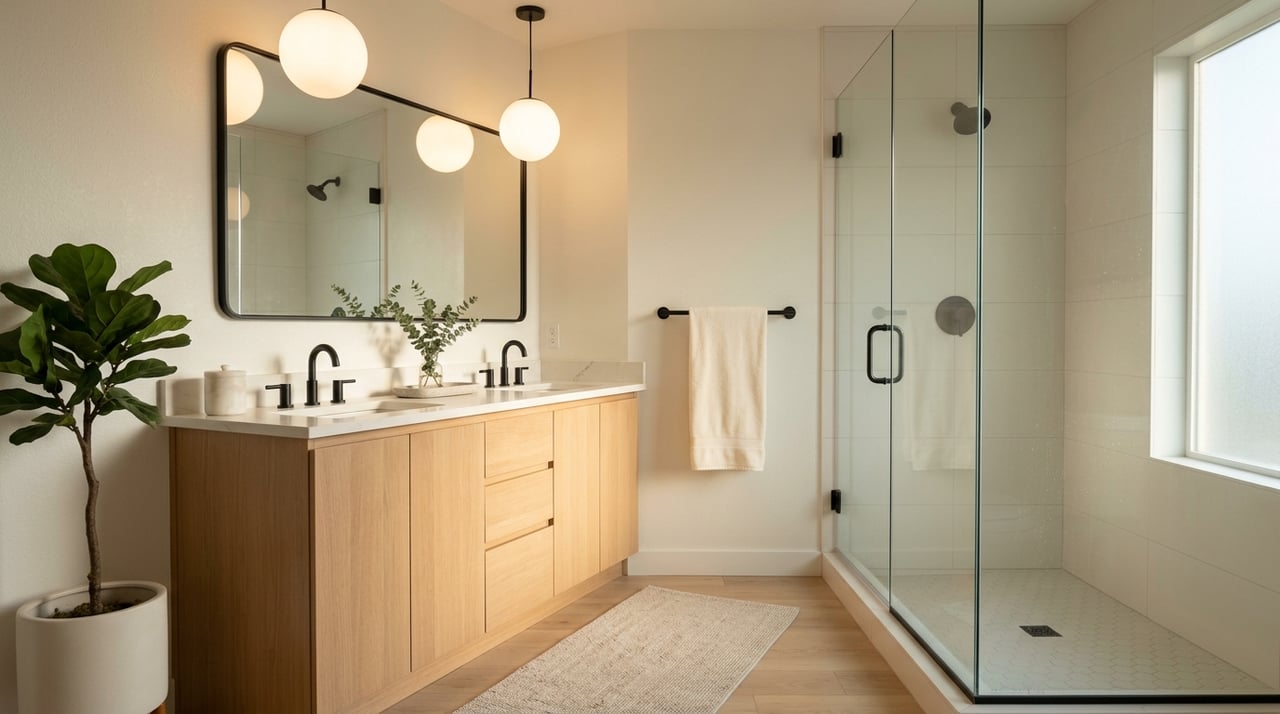
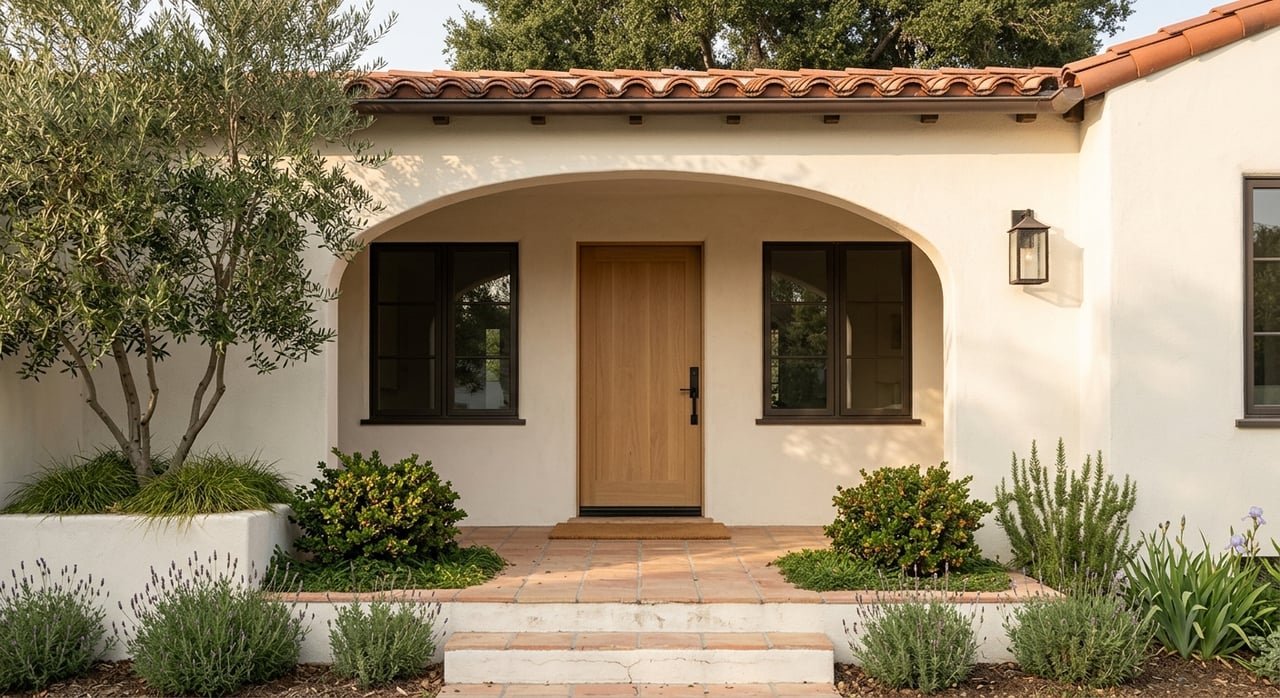
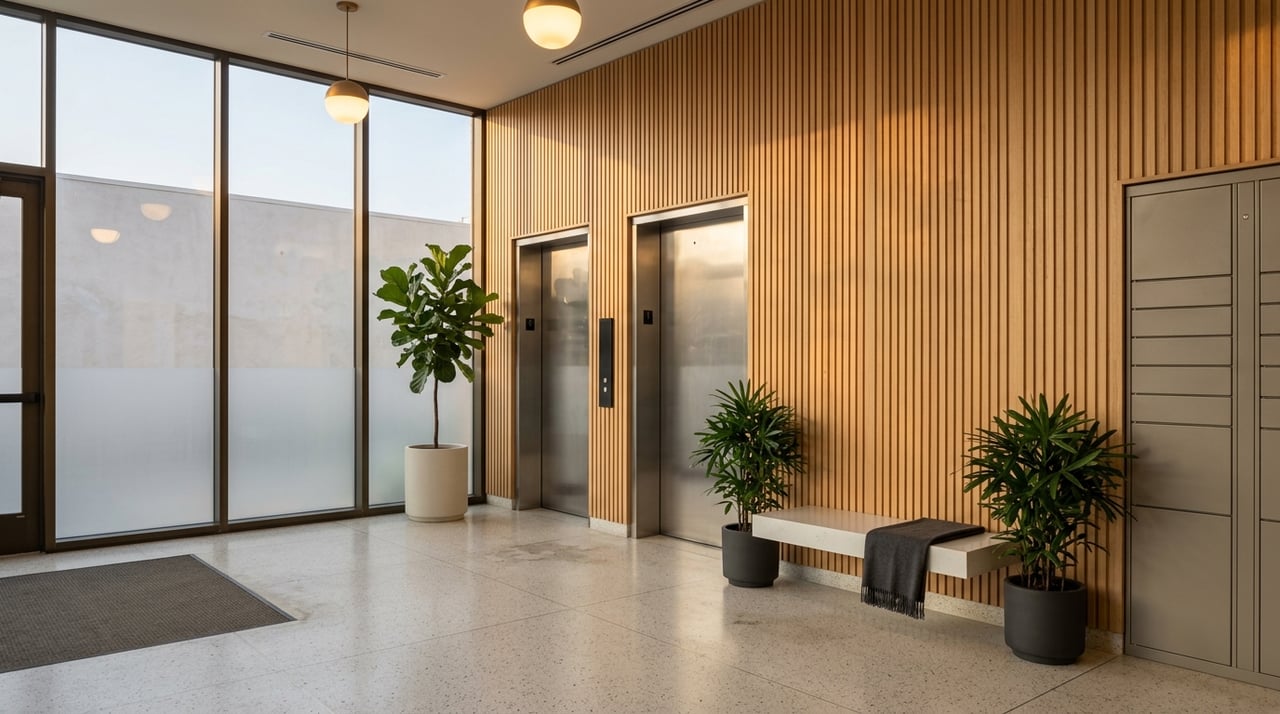
That mix matters if you are trying to balance budget, commute, and lifestyle. Depending on where you look, your San Jose home base may be a detached house, a townhome, or a condo near a commute corridor or transit station.
The city also notes that about 94% of residential land is designated for single-family houses, while urban villages concentrate much of the new job and housing growth. In practical terms, that helps explain why different parts of San Jose can offer very different living patterns within the same city.
Lifestyle Tradeoffs to Think Through
A Peninsula commute is not just about route planning. It is also about what you get in return when you come home.
San Jose’s lifestyle appeal is tied in part to scale. The city’s Parks, Recreation and Neighborhood Services department says it serves more than 200 locations, and San José has 65 miles of developed public trails. The city specifically highlights the Guadalupe River, Coyote Creek, and Los Gatos Creek trails as corridors that support both recreation and commuting.
That means your home search can include more than commute math. You may be able to prioritize neighborhood amenities, open space, and daily convenience while still staying on a workable Peninsula route.
In West and central San Jose, that convenience often shows up in different ways. West San Jose includes major shopping and service corridors such as Santana Row and Westgate West, while central areas like West San Carlos and The Alameda are being shaped around walking, biking, transit, retail, and public spaces.
What to Verify Before You Buy
Even if San Jose seems like the right fit, it is smart to pressure-test the details before you commit. A home that looks ideal on paper can feel very different once you map out the actual week.
Here are a few things worth verifying early:
- Your exact office address, not just the city name
- Whether your workplace is near Caltrain or a VTA connection
- How often you will commute under a hybrid schedule
- Whether you need garage space or specific parking features
- Whether your preferred home location supports your main route, backup route, or transit option
These details can shape your experience more than broad assumptions about San Jose or the Peninsula.
The Bottom Line for Buyers
If you commute to the Peninsula, San Jose can make a lot of sense when you want more housing variety, more detached-home inventory, and broader access to parks and neighborhood amenities than you may find in many job-center locations.
The better question is usually not whether San Jose is good or bad for a Peninsula commute. The real question is which part of San Jose fits your office location, transportation habits, and long-term home goals.
That kind of decision is easier when you look at the map, the housing choices, and your weekly routine together. If you want calm, local guidance as you compare San Jose options with Peninsula commute realities, Sandra Darrow Realty, Inc. can help you think it through with clarity and confidence.
FAQs
Is San Jose a good place to live if you commute to the Peninsula?
- San Jose can be a practical choice if your home location matches your office corridor, since US-101, I-280, State Route 85, and Caltrain all support common Peninsula commute patterns.
Which part of San Jose is best for a Peninsula commute?
- West San Jose often fits buyers who expect a car-based commute because of access to 280, 85, and major western corridors, while central San Jose near Diridon can make more sense if you want rail access.
Can Caltrain help with a San Jose to Peninsula commute?
- Yes. Caltrain serves San Jose Diridon, Santa Clara, Mountain View, Palo Alto, and Menlo Park, so it can be a strong option when your destination is near a station or connecting transit.
What housing types can you find in San Jose?
- San Jose includes detached homes, attached homes, smaller multi-unit properties, larger multifamily buildings, and mobile homes, which gives buyers a wider range of options depending on budget and commute priorities.
What should you check before buying in San Jose for a Peninsula job?
- You should verify your exact office location, nearby Caltrain or VTA connections, parking needs, and how often you will actually commute during a typical week.