If you are getting ready to sell in Redwood City, one question matters more than almost anything else: How do you price your home well without leaving money on the table or scaring buyers away? In a market this active, the right strategy is not just about choosing a number. It is also about how your home looks, feels, and shows up online the moment buyers see it. This guide will walk you through how to price and present your Redwood City home with more confidence. Let’s dive in.
Redwood City pricing starts local
Redwood City remains a strong market for sellers, but broad city averages only tell part of the story. Recent reports show high sale-to-list ratios, quick median days on market, and many homes selling above list price. At the same time, sources report different median prices and timelines because they track different property types and use different methods.
That is why pricing your home should start with recent sold comps that closely match your property. A single-family home should not be priced off condo data, and a home in one part of Redwood City should not rely too heavily on sales from a different micro-area. In a market with this much variation, the details matter.
Why micro-neighborhoods matter in Redwood City
Redwood City is not one uniform market. The city recognizes 17 neighborhood associations, including areas such as Downtown, Mt. Carmel, Redwood Oaks, Redwood Shores, Woodside Plaza, Farm Hill, and Edgewood Park. Those local distinctions can shape buyer expectations, lot sizes, home styles, and pricing patterns.
When you price your home, it helps to compare it against homes from the same immediate area whenever possible. A buyer looking in Redwood Shores may respond differently than a buyer focused on Central or Palm Park. Even when homes share similar square footage, location inside Redwood City can affect how buyers view value.
The city’s GIS and neighborhood tools can also help confirm details tied to your property. You can review parcel information, permits, zoning, flood zones, and neighborhood layers. That added clarity can support a cleaner, more accurate listing from the start.
Use the right property-type comps
Property type matters just as much as neighborhood. Research shows clear differences between single-family homes and attached homes in Redwood City. MLSListings reports a single-family median sale price of $2,375,000, while condos and townhomes averaged $805,000.
Those numbers make one thing clear: a citywide average can blur major differences between home categories. If you own a condo, townhome, or single-family home, your pricing strategy should reflect your exact segment. Buyers compare your home to what else they can buy in that same category, not to the whole city at large.
Adjust for condition, not just size
A smart pricing strategy has three parts:
- Same-neighborhood comps
- Same-property-type comps
- Condition-adjusted comps
That last point often gets overlooked. Two homes with similar layouts can land very different prices if one feels updated, clean, and move-in ready while the other looks tired or unfinished. In a higher-priced market, condition can strongly influence both buyer interest and offer strength.
Research also shows that 46% of home buyers are less willing to compromise on a home’s condition. That does not mean every seller needs a major remodel. It does mean buyers notice visible upkeep, presentation, and signs that a home has been well cared for.
What the current market suggests for sellers
Several recent reports point in the same general direction: Redwood City is still competitive. Redfin reported a median sale price of $1,983,213 for May 2026, 11 median days on market, and a 106.2% sale-to-list ratio, with 70.8% of homes selling above list price. Realtor.com also described Redwood City as a seller’s market in June 2026, with a 103% sale-to-list ratio.
Still, these numbers should be treated as directional rather than definitive for your home. Different sources include different property mixes and reporting windows. The takeaway is not that every home will sell fast or above asking. The takeaway is that well-priced, well-presented homes are positioned to attract serious attention.
Presentation can shape your final result
In Redwood City, presentation is not just cosmetic. It helps buyers connect emotionally, understand the home faster, and feel more confident making an offer. In a market where buyers are moving quickly, first impressions carry real weight.
National research supports that approach. In 2025 curb appeal research, 92% of REALTORS® recommended improving curb appeal before listing, and nearly all said curb appeal matters to attracting buyers. That aligns with what many sellers already sense: if the outside feels neglected, buyers may worry about the inside too.
Start with curb appeal
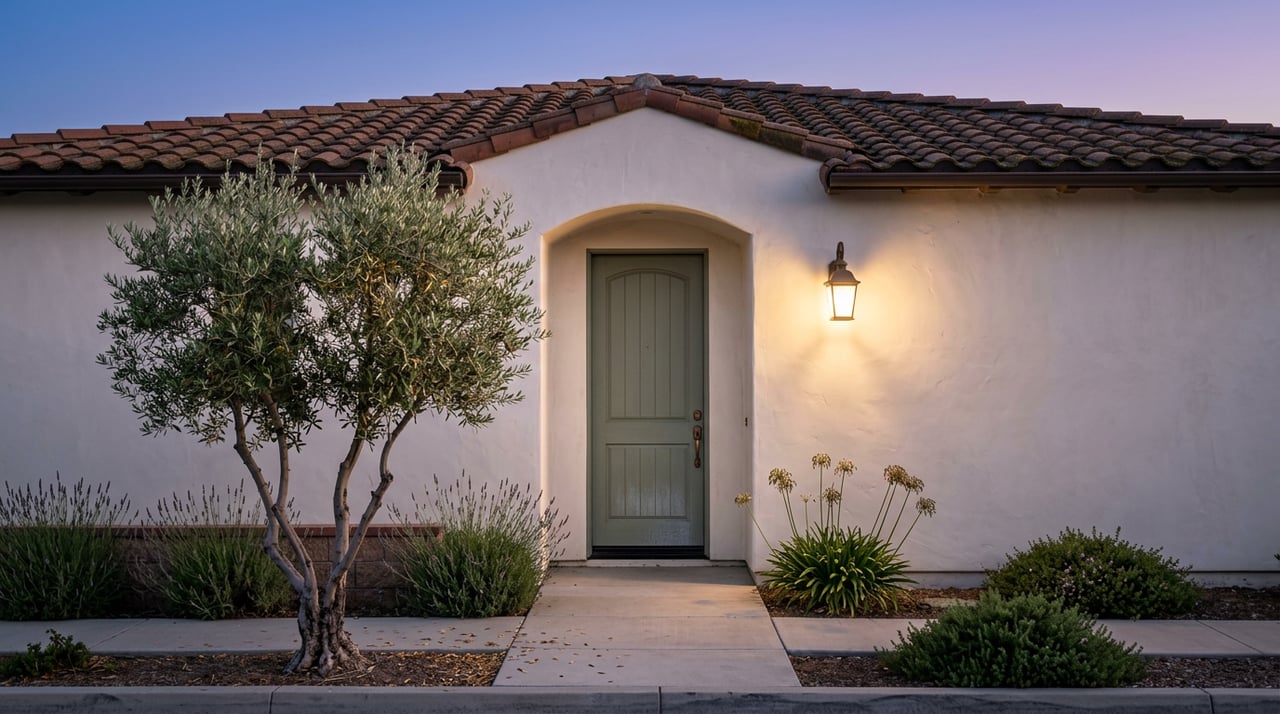
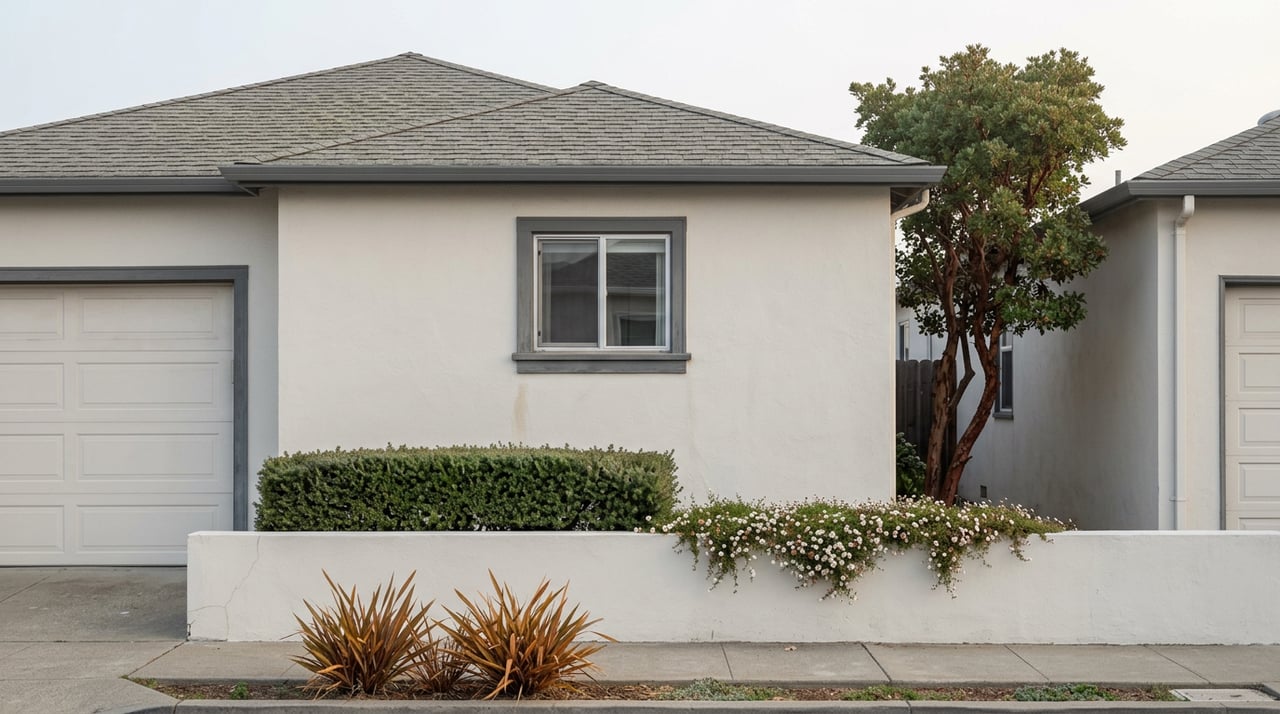
Your exterior sets the tone before a buyer even walks through the door. Simple, visible improvements can make a big difference in how your home is perceived online and in person. The goal is not to create a different home. It is to show your home at its best.
Focus on practical updates like:
- Tidying landscaping and removing yard clutter
- Refreshing mulch or planting simple seasonal greenery
- Touching up exterior paint where needed
- Cleaning pathways, porches, and windows
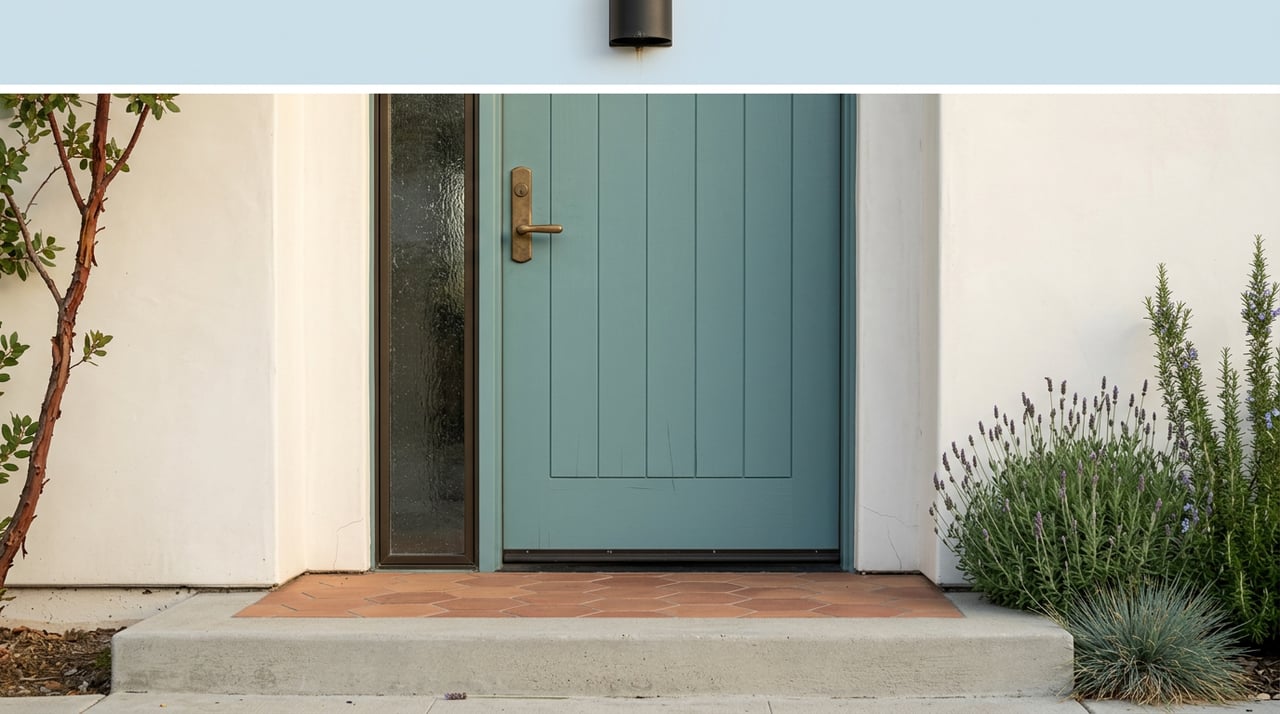
- Making sure the front door feels clean, polished, and welcoming
Research also points to painting and roof work as top pre-sale projects. If your home has obvious exterior wear or visible repair needs, handling those items before listing may help reduce buyer hesitation.
Prioritize the rooms buyers notice most
Inside the home, buyers want to picture how the space lives. Staging can help them do that more easily. In the 2025 staging report, 83% of buyers’ agents said staging made it easier for buyers to visualize the property as a future home.
The most commonly staged rooms were:
- Living room
- Primary bedroom
- Dining room
If you are deciding where to focus your time and budget, start there. Clean lines, lighter visual clutter, and balanced furniture placement can help rooms feel larger and easier to understand.
Declutter for space and flow
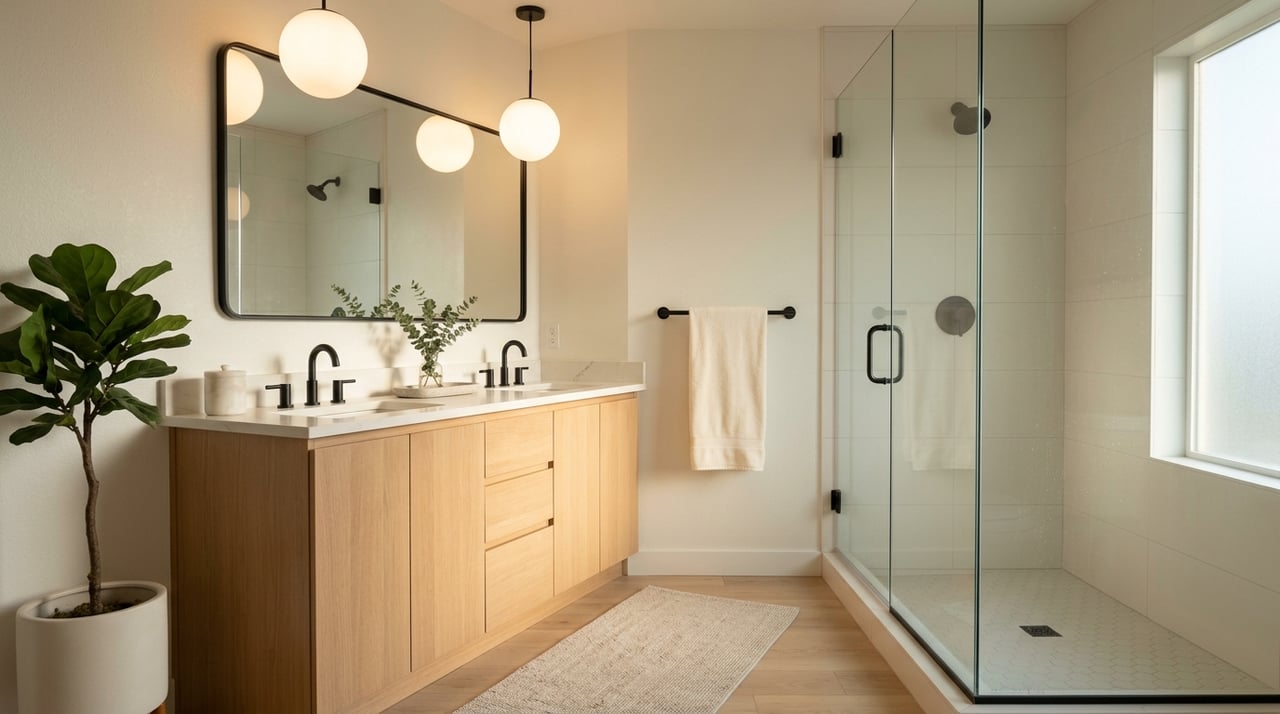
Decluttering is one of the simplest ways to improve presentation. Buyers tend to respond best when rooms feel open, bright, and easy to move through. Too much furniture or too many personal items can make even a well-sized home feel smaller.
Before listing, try to remove anything that distracts from the home itself. That may include excess décor, crowded shelves, bulky furniture, and items stored in plain view. The goal is not to strip away all personality. It is to let buyers focus on the space, light, and layout.
Make your online presentation work harder
Most buyers will meet your home online before they ever visit it in person. That means your digital presentation is a core part of your selling strategy, not an afterthought. Strong visuals and complete information help buyers decide whether your home is worth a closer look.
According to 2025 buyer research, internet-using buyers rated these features as very useful:
- Photos: 83%
- Detailed property information: 79%
- Floor plans: 57%
- Virtual tours: 41%
- Recently sold comparable information: 37%
- Neighborhood information: 35%
- Videos: 29%
For your Redwood City listing, that points to a clear priority: professional photography, accurate property details, and digital assets that help buyers evaluate the home before showing day. A polished online debut can support stronger early interest, which is often important in a fast-moving market.
Confirm property details before listing
If you have completed updates or improvements over the years, it is worth confirming the details before your home hits the market. Redwood City’s Community GIS tools can help with parcel information, permit applications, zoning, and neighborhood layers. That information can help ensure the listing is accurate and complete.
This step may also help avoid last-minute questions once buyers begin reviewing disclosures and property information. Clear details support a smoother process and build buyer confidence. In a market where buyers compare homes quickly, accuracy matters.
A practical plan for pricing and prep
If you want a simple way to think about selling, break the process into two tracks: price smart and present well. Those two decisions often work together. Great presentation can help support pricing, while realistic pricing can drive the attention that presentation deserves.
A practical pre-listing plan may include:
- Review recent sold comps in your micro-neighborhood
- Compare only against the same property type
- Adjust for condition, updates, and obvious repairs
- Tackle visible exterior and interior touch-ups
- Declutter and consider staging key rooms
- Gather accurate property details and permit information
- Prepare strong photography and complete marketing materials
That kind of thoughtful preparation can help your home enter the market with fewer question marks and a stronger first impression.
Why a calm, data-driven approach works
Selling in Redwood City can feel fast, but that does not mean the best approach is rushed. The strongest results often come from a steady plan grounded in local comps, honest condition assessment, and polished presentation. When those pieces come together, buyers can respond with more clarity and confidence.
If you are thinking about listing, it helps to work with someone who understands Peninsula micro-markets, buyer expectations, and the steps that can make your home more competitive. For a calm, personalized strategy on pricing and presenting your Redwood City home, schedule a free, personalized market consultation with Sandra Darrow Realty, Inc..
FAQs
How should you price a home in Redwood City?
- Start with recent sold comps from the same micro-neighborhood, the same property type, and homes with a similar level of condition.
Why do Redwood City neighborhood differences matter when selling?
- Redwood City includes many distinct neighborhood areas, and buyer expectations and pricing patterns can vary from one part of the city to another.
What presentation updates matter most before listing a Redwood City home?
- Focus on visible, buyer-facing improvements such as curb appeal, fresh paint, basic repairs, decluttering, and staging key rooms like the living room, primary bedroom, and dining room.
What online listing features help attract buyers to a Redwood City home?
- Strong photography, detailed property information, floor plans, virtual tours, and clear listing details are especially useful to buyers shopping online.
Should you use citywide median prices to list a Redwood City home?
- Use citywide numbers only as general context, because pricing is usually more accurate when based on recent comparable sales from the same area and property type.