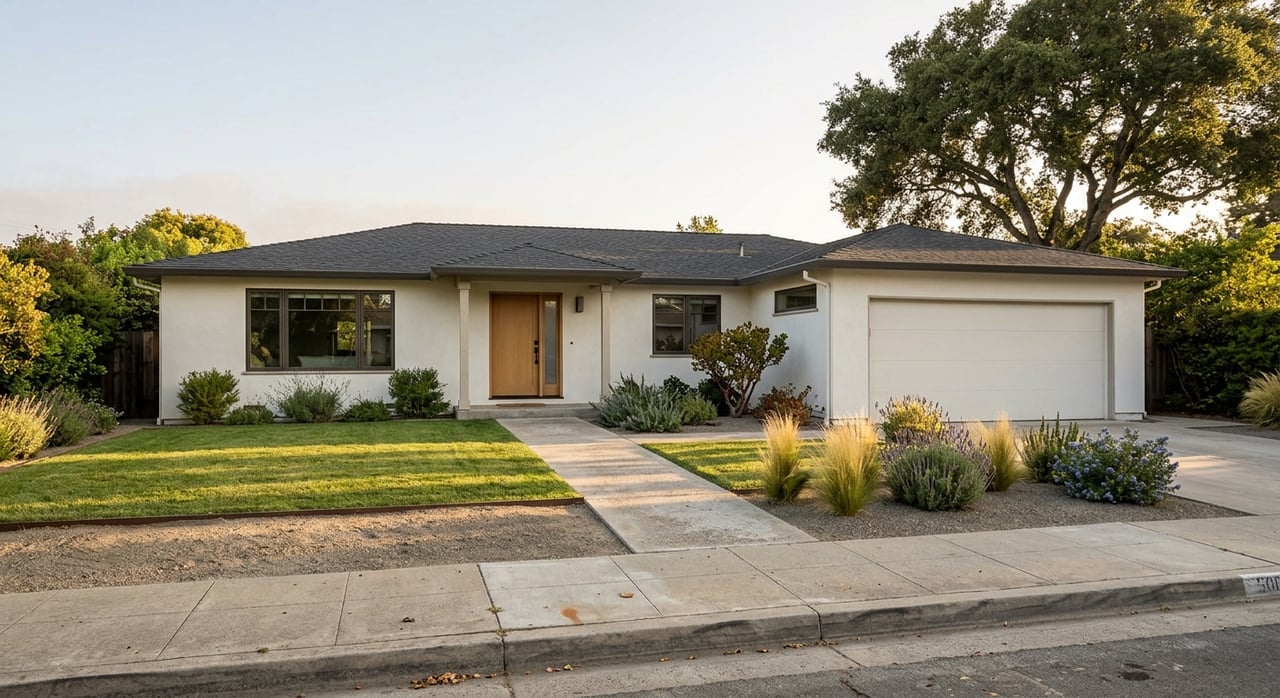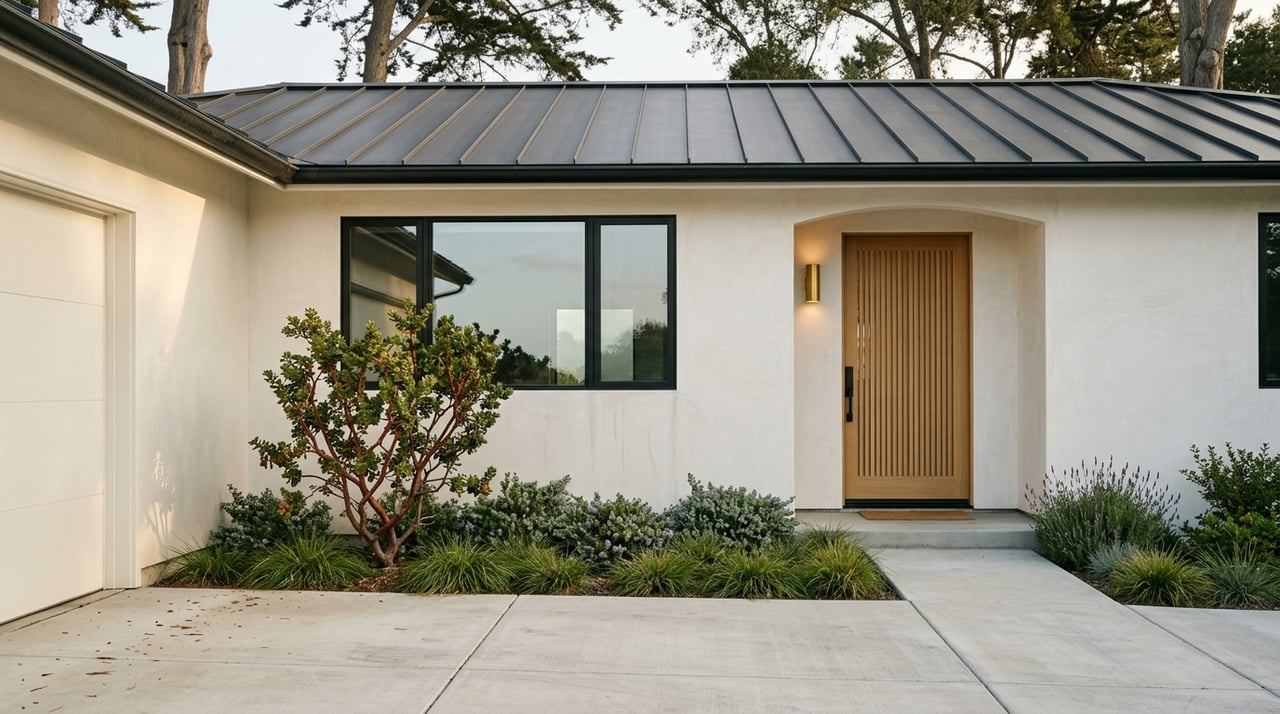
If you are drawn to Half Moon Bay, you probably already know the lifestyle is the headline. Beach access, open space, and a cooler coastal feel can be a big part of the appeal. Still, owning a home on the Coastside comes with practical differences from inland Peninsula living, and understanding them early can help you buy with more confidence. Let’s dive in.
Coastside living feels different
Half Moon Bay has a mild coastal climate, not a warm inland one. NOAA climate normals for 1991 to 2020 show an annual mean temperature of 54.9°F and annual precipitation of 26.04 inches, with monthly mean highs generally in the upper 50s to mid-60s.
That means your day-to-day experience may feel cooler, grayer, and windier than what you might expect elsewhere in San Mateo County. The National Weather Service explains that the marine layer, shaped by cool ocean waters and onshore flow, often brings stratus clouds and fog, especially in late spring and early summer.
For many buyers, that is a feature, not a drawback. California State Parks describes Half Moon Bay State Beach as four miles of sandy beaches with dunes, trails, camping, shore fishing, and beach access points off Highway 1, which helps explain why the Coastside lifestyle is so appealing.
Climate affects home expectations
If you are moving from an inland neighborhood, your expectations about comfort may need to shift. Heat is generally less intense on the Coastside, and air-conditioning needs are often different from what buyers see farther inland.
You may also notice that outdoor use patterns change with the weather. A sunny backyard is still valuable, but cool mornings, cloud cover, and wind can shape how you use decks, patios, and outdoor living areas.
This matters when comparing homes. A property that looks similar on paper may live very differently on the Coastside because orientation, wind exposure, and weather protection can have a bigger day-to-day impact.
Coastal maintenance deserves a bigger budget
One of the most important practical differences is maintenance. FEMA notes that salt spray from breaking waves and onshore winds can significantly speed up corrosion of metal connectors and fasteners, with effects that are strongest near the shoreline but that can extend miles inland.
In practical terms, this means even homes that are not directly oceanfront may still need coastal-grade exterior details. Exposed metal, decks, railings, and mechanical equipment often deserve closer attention in this setting.
Moisture and wind also add wear over time. Coastal conditions can shorten the life of exterior caulking, paint, and other weather-exposed materials, so it is smart to plan for more frequent upkeep than you might expect inland.
What to inspect more carefully
When you tour a Coastside home, it helps to look past finishes and focus on exposure. A well-maintained property may show signs that the owner has stayed ahead of coastal wear, while deferred maintenance can become more costly in this environment.
Pay close attention to:
- Decks and railings
- Exterior paint and caulking
- Metal hardware and fasteners
- Garage doors and exposed hinges
- Outdoor mechanical equipment
- Fencing and gates in windy areas
These items do not automatically mean there is a problem. They simply matter more on the coast, and they can affect your ongoing ownership costs.
Utilities can vary by district
Another practical point is that Coastside services are often district-based. Coastside County Water District serves Half Moon Bay and the unincorporated communities of Princeton, Miramar, and El Granada.
Granada Community Services District handles sewer service for El Granada, Miramar, Princeton-by-the-Sea, and the northern portion of Half Moon Bay. GCSD also bills sewer service charges on the San Mateo County property tax roll.
For a buyer, that means you should confirm exactly which district serves the property before closing. It is a small detail, but it can affect how you understand monthly and annual ownership costs.
Commute planning matters more here
A Half Moon Bay address can look close to major job centers on a map, but daily travel is not just about mileage. San Mateo County’s transportation plan says Half Moon Bay is about 28 miles south of San Francisco, and it also notes that the Coastside depends mainly on Highways 1 and 92, with no functional alternative routes.
That creates a very specific commute reality. The same county plan reports that 86% of commute trips are drive-alone trips and that the average one-way trip is 23 miles for residents who work elsewhere.
The key issue is sensitivity. Route choice, traffic incidents, and peak-hour congestion can all have an outsized effect when there are limited ways in and out.
Transit is available, but selective
Transit options do exist on the Coastside, but they tend to work best as supplemental choices rather than a full replacement for driving. SamTrans serves the area with Routes 15, 18, 117, and 294.
There is also Ride Plus on-demand service in the Half Moon Bay zone, along with SamCoast curb-to-curb service connecting the Midcoast and rural coast with Routes 117 and 294. If you expect to use transit even occasionally, it is worth checking parking, stop access, and day-to-day convenience before you buy.
Hazards need site-specific review
Coastal ownership also calls for more focused due diligence. San Mateo County says its location between the Bay and the Pacific makes it especially vulnerable to sea level rise, and the county’s assessment includes the western coast from Half Moon Bay north, including roads, highways, wastewater treatment plants, and pump stations.
The California Coastal Commission also identifies sea level rise, increased storm frequency and intensity, coastal erosion, and flooding as important risks for existing property and infrastructure. These are not abstract planning issues if you are buying in a coastal setting.
Some areas show the stakes clearly. California State Parks reports that Surfer’s Beach in Half Moon Bay has seen significant beach and bluff erosion, with storms threatening Highway 1, Mirada Road, and other coastal infrastructure.
The larger takeaway is simple: not every coastal parcel carries the same level of risk. Bluff-top properties and slope-adjacent homes deserve especially careful, site-specific review instead of broad assumptions about “coastal living.”
Permits can add another layer
If you are thinking ahead to improvements, the coastal zone matters. The California Coastal Commission says development in the coastal zone generally may not begin until a coastal development permit is issued by the Commission or a local government, and most permit authority is delegated to certified local coastal programs.
For homeowners, this can affect projects such as:
- Decks
- Additions
- ADUs
- Retaining walls
- Other exterior alterations
That does not mean every project is impossible or unusually burdensome. It does mean you should check permit and coastal-zone implications early, before finalizing plans or budgeting a renovation.
A smart Coastside due diligence checklist
If you are serious about buying in Half Moon Bay, a little extra homework can go a long way. The goal is not to avoid the Coastside. The goal is to understand the tradeoffs clearly so your purchase fits your lifestyle and risk tolerance.
Start with these steps:
- Confirm the exact water and sewer district for the parcel
- Ask whether sewer charges are billed on the property tax roll
- Review whether the home is in or near a flood, erosion, bluff, or landslide concern area
- Give extra scrutiny to bluff-top and slope-adjacent parcels
- Verify permit history for prior decks, additions, retaining walls, or exterior changes
- Test your commute at the actual time of day you would travel
This kind of preparation helps you compare properties more realistically. It also makes it easier to spot the difference between a home that fits your goals and one that may create more complexity than you want.
The Coastside tradeoff is worth understanding
Owning a home in Half Moon Bay can be deeply rewarding if you value beach access, cooler weather, and a slower coastal rhythm. At the same time, that lifestyle often comes with more weather-related maintenance, more route-sensitive commuting, and a greater need for site-specific property review.
That is not a reason to hesitate. It is a reason to buy thoughtfully, with clear expectations and steady guidance.
If you are considering a move to Half Moon Bay or anywhere on the Coastside, Sandra Darrow Realty, Inc. can help you evaluate homes with a practical Bay Area lens and a calm, personalized approach.
FAQs
What is the weather like for homeowners in Half Moon Bay?
- Half Moon Bay is generally mild, cool, and influenced by marine weather, with fog and stratus clouds often most common in late spring and early summer.
What maintenance issues matter most for Coastside homes?
- Salt air, moisture, and wind can increase wear on metal hardware, paint, caulking, decks, railings, and exterior equipment, so buyers should budget for more frequent upkeep.
What should buyers know about commuting from Half Moon Bay?
- Commutes are heavily shaped by Highways 1 and 92, which San Mateo County identifies as the main access routes with no functional alternatives, so travel time can vary a lot by schedule and traffic conditions.
What utility district questions should buyers ask in Half Moon Bay?
- Buyers should confirm the exact water and sewer district for the property and ask whether sewer charges are billed on the San Mateo County property tax roll.
What permit issues can affect Coastside home improvements?
- Exterior work such as decks, additions, ADUs, and retaining walls may involve coastal development permit review, so owners should check coastal-zone requirements early in the planning process.
What hazard reviews are most important for coastal properties near Half Moon Bay?
- Buyers should ask about flood, erosion, bluff, landslide, and sea level rise concerns, especially for bluff-top or slope-adjacent properties that may need site-specific review.