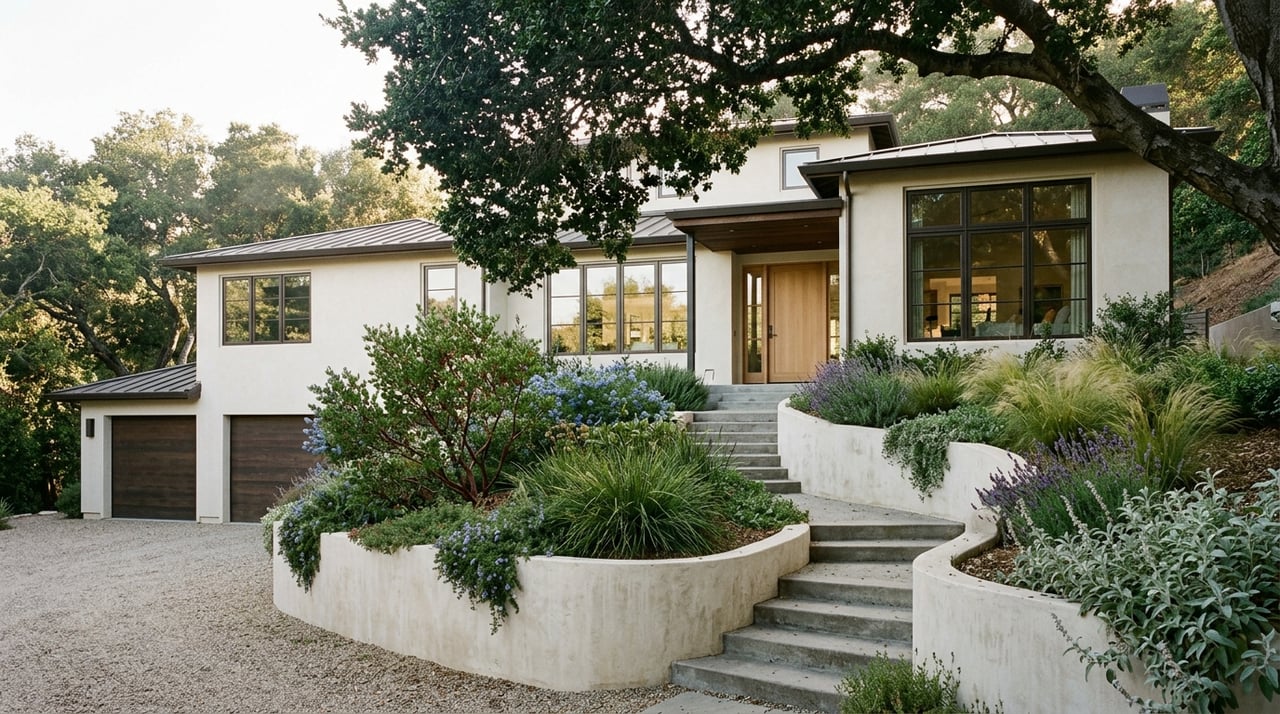
If you are choosing between San Mateo’s waterfront side and its hillside neighborhoods, you are really choosing between two very different ways of living. One side of the city leans into bayside recreation, lagoons, and shoreline access, while the other is shaped by elevation, views, and hillside design considerations. Understanding those tradeoffs can help you focus your home search, ask better questions, and feel more confident about where you want to live. Let’s dive in.
Why this comparison matters
San Mateo is defined by two major natural edges: the San Francisco Bay and the western hills. The city’s General Plan highlights a 3-mile shoreline along the bay and also points to major natural assets like Coyote Point County Park, Marina Lagoon, San Mateo Creek, and Laurelwood/Sugarloaf Park, which helps explain why waterfront and hillside living feel so distinct in the same city. You can see that framework in the city’s General Plan 2040.
The city also groups these areas differently in its district analysis. East-of-101 areas such as Shoreline, Bridgepointe, Mariners Island, Edgewater Isle, and Westshore are organized as a waterway-oriented district, while areas like Baywood, Baywood Knolls, Foothill Terrace, Country Club Heights, College Heights, and Laurelwood are treated as hillside-oriented districts in the city’s district analysis report. For you as a buyer, that means this is not just a style preference. It is a lifestyle and property-context decision.
Waterfront living in San Mateo
Waterfront lifestyle and recreation
If you want daily access to water-oriented recreation, San Mateo’s bayfront side offers some of the city’s most distinctive amenities. Marina Lagoon is a standout example because it functions as a flood-control basin, recreation area, wildlife habitat, and visual amenity all at once. Public uses include boating, sailing, swimming, beaches, walking trails, picnicking, and bike access.
That lifestyle extends beyond the lagoon itself. Coyote Point Recreation Area offers picnicking, swimming, windsurfing, bicycling, jogging, fishing, boating, and sailing, along with a marina, beach promenade, and saltwater marsh. If you enjoy being outside near the water, this part of San Mateo can feel especially active and connected to the bay.
Seal Point Park adds another layer to the bayfront experience with Bay Trail access, walking and cycling paths, bird watching, a boardwalk along the marshes, and broad views from its plateau. For many buyers, the appeal here is less about one specific home feature and more about how close everyday life feels to the shoreline.
Waterfront housing character
The Marina Lagoon area has a particularly unique housing setup in San Mateo. According to the city, the lagoon is bordered by more than 300 residential parcels, and many of them have private docks, which creates a more boating-oriented residential environment than you will find in most inland neighborhoods. The city also notes public beaches, a boat launch, and a bike path in the area through its project description materials.
That does not mean every bayfront home feels the same. Some properties are tied more directly to the lagoon or waterways, while others benefit more from nearby parks, open views, or trail access. Still, if direct connection to water is high on your list, this side of San Mateo has some of the clearest options.
Waterfront access and planning context
Bayfront districts are described by the city as east of Highway 101 and shaped by shared concerns around traffic, safety, and recreation. In practical terms, these areas can feel more car-and-bike oriented for daily movement, even though local access to shoreline trails and parks is strong.
It is also important to understand the planning context. The city notes that Marina Lagoon serves a flood-control role, and San Mateo is working on shoreline adaptation planning related to sea level rise. That does not make waterfront living a negative. It simply means bay-adjacent properties are more closely tied to long-term public works, shoreline maintenance, and resilience planning than many hillside homes.
Hillside living in San Mateo
Hillside views and setting
If your priority is outlook, elevation, and a more topographic neighborhood feel, hillside living may be the better fit. San Mateo’s single-family design guidelines specifically mention distant views of the bay, nearby Peninsula hills, city lights, and neighborhood vistas. The same guidelines encourage design that respects established views from primary living areas, which shows how important view preservation can be in hillside settings.
The city places neighborhoods such as Baywood, Baywood Knolls, Foothill Terrace, Country Club Heights, College Heights, and Laurelwood in hillside-oriented districts. In the city’s district analysis, these areas are associated with themes like access to downtown and amenities, protection of natural areas, environmental hazards, and preferences for single-family zoning.
Hillside design and lot constraints
Hillside properties can offer beautiful settings, but they also come with a different set of rules. San Mateo’s slope and hillside code places restrictions on new parcels in certain residential districts when slopes reach 25% or more, and in some multifamily and commercial settings only land under that threshold counts toward allowable floor area and density. You can review those rules in the city’s slope and hillside code.
For you as a homeowner, that can matter if you are thinking about future additions, grading, driveway changes, or larger remodel plans. The city’s design guidelines also encourage features like stepped-back upper stories and lower roof plates to reduce view blockage. In other words, hillside homes can be compelling, but they may require more careful planning if you want to modify them over time.
Hillside open space and trails
The outdoor experience is different on this side of the city too. Laurelwood/Sugarloaf Park offers walking areas, a playground, and trail access into Sugarloaf Mountain. Compared with the marshes, lagoons, and bayside promenades of the waterfront, hillside outdoor life feels more tied to trails, slopes, and open-space edges.
If you enjoy hiking-style recreation or simply like the feeling of being closer to hills and natural contours, that difference can be meaningful. It is less about boats and boardwalks, and more about elevation, trail access, and a quieter relationship to the landscape.
Commute and access differences
When buyers compare these two settings, commute patterns often become a deciding factor. San Mateo’s transit-oriented planning is focused mainly on Downtown and areas near the Hayward Park and Hillsdale Caltrain stations, as explained on the city’s Transit-Oriented Development Plan page. That means the closer a home is to those nodes, the easier it may be to build transit into your routine.
For both waterfront and hillside homes, convenience becomes more block-specific the farther you get from those hubs. Many bayfront areas may feel more car-and-bike oriented, while hillside neighborhoods farther from station areas can also lean more car-dependent. If commute matters a lot to you, it helps to compare not just neighborhood names, but exact routes and daily patterns.
Microclimate can feel different block to block
In the Bay Area, microclimates are real, and the National Park Service notes that mountains and valleys help create them, with summer fog sometimes moving inland and moderating heat. In San Mateo, the safest takeaway is not that waterfront is always cooler or hillside is always warmer. It is that conditions can vary depending on elevation, exposure, and proximity to the shoreline.
That means you should avoid broad assumptions based on a map alone. If possible, visit a property at different times of day and notice how the setting feels. In San Mateo, even short distances can change your experience.
Waterfront vs hillside at a glance
| Feature | Waterfront areas | Hillside areas |
|---|---|---|
| Lifestyle feel | Bayside, recreation-focused, connected to water | Elevated, view-oriented, shaped by topography |
| Signature amenities | Marina Lagoon, Coyote Point, Seal Point Park, Bay Trail | Laurelwood/Sugarloaf Park, hillside open space, trails |
| Typical appeal | Boating, shoreline walks, parks, marsh and lagoon access | Bay and hill views, natural contours, neighborhood vistas |
| Property considerations | Shoreline planning and flood-control context | Slope limits, design sensitivity, potential view impacts |
| Access pattern | Often more car-and-bike oriented east of 101 | Often more car-dependent away from transit nodes |
Which setting may fit you best
Waterfront living may fit you best if you want your free time to revolve around the bay. If boating, walking near the water, cycling the Bay Trail, or being close to shoreline parks sounds like your ideal routine, the bayfront side of San Mateo offers a lifestyle that is hard to replicate inland.
Hillside living may fit you better if you are drawn to views, elevation, and a more landform-driven neighborhood feel. If you care more about outlook, privacy of setting, or proximity to hillside open space, the western side of San Mateo may align better with how you want to live.
The right answer usually comes down to what matters most in your day-to-day life. Some buyers prioritize kayaking, trails, and shoreline access. Others care more about views, lot shape, and the feeling of being tucked into the hills. A focused home search can help you compare those tradeoffs clearly.
If you want help narrowing down which San Mateo setting fits your goals, Sandra Darrow Realty, Inc. offers calm, personalized guidance to help you compare neighborhoods, property conditions, and day-to-day lifestyle factors with confidence.
FAQs
What is the main difference between waterfront and hillside living in San Mateo?
- The strongest contrast is water recreation and shoreline context on the bayfront versus views, slope, and design sensitivity in hillside areas.
Which San Mateo areas are most associated with waterfront living?
- The city groups Shoreline, North Shoreview, South Shoreview, Shoreline Park, Parkside, Bridgepointe, Mariners Island, Edgewater Isle, and Westshore as east-of-101, waterway-oriented areas.
Which San Mateo areas are most associated with hillside living?
- The city identifies Baywood, Baywood Knolls, Foothill Terrace, Country Club Heights, College Heights, Laurelwood, and Hillsdale subareas as part of hillside-oriented districts.
What makes Marina Lagoon unique for San Mateo waterfront homes?
- Marina Lagoon is bordered by more than 300 residential parcels, many with private docks, and it also includes public recreation features like beaches, a boat launch, and bike access.
What should buyers know about San Mateo hillside property constraints?
- Hillside parcels may involve added considerations related to slope, grading, driveway design, additions, and view impacts because the city applies specific slope and hillside development rules.
How does transit access compare between San Mateo waterfront and hillside neighborhoods?
- Transit convenience depends on the exact location, but the city’s main transit-oriented areas are Downtown and the areas around Hayward Park and Hillsdale Caltrain, so homes farther away from those nodes often become more car-dependent.
Does San Mateo waterfront living mean higher exposure to shoreline planning issues?
- Bay-adjacent areas are more closely tied to flood-control functions and shoreline adaptation planning, especially around places like Marina Lagoon, so that context is more relevant there than in many hillside neighborhoods.