Wondering how San Carlos actually feels from one area to the next? That is a smart question, because in a city like San Carlos, the street pattern, topography, and housing style can shape your day-to-day experience just as much as square footage. If you are trying to figure out where you might feel most at home, this guide will help you understand the city’s overall character, the difference between flatter and hillside areas, and the housing types you are most likely to find. Let’s dive in.
San Carlos at a Glance
San Carlos is best understood as a compact Peninsula town with a clearly defined center. City planning documents highlight tree-lined streets, open space, public art, and an emphasis on high-quality architecture, which all support a more connected, community-oriented feel.
Downtown plays a major role in that identity. The city describes downtown as the heart of the community, with recent planning focused on a walkable public realm that includes plazas, shade trees, gathering spaces, and pedestrian-friendly design.
For you as a buyer or seller, that means San Carlos is not just one uniform housing market. Different parts of town offer different rhythms, from a more traditional grid of neighborhood streets to more winding, private hillside settings.
Downtown Feel in San Carlos
Downtown San Carlos centers on Laurel Street from Holly Street to Arroyo Street, along with nearby blocks that include the Civic Center and parts of San Carlos Avenue. The historic core is focused around the 1100 and 1200 blocks of San Carlos Avenue and the 600, 700, and 800 blocks of Laurel Street.
The city describes Laurel Street as a pleasant pedestrian environment with a grid street pattern, attractive landscaping, pedestrian amenities, and Laurel Street Park as a central gathering place. South Laurel Street also includes a mix of grocery, restaurants, offices, and multifamily residential uses.
One of the clearest examples of this people-first approach is the 700 block of Laurel Street, which was permanently closed to cars and turned into a pedestrian mall. If you are looking for a more walkable, village-like setting, this part of San Carlos is often the natural starting point.
Flat Areas and Traditional Streets
In the areas near downtown and Laurel Street, the city describes older grid-pattern neighborhoods with historic homes, higher densities, and a mix of housing types. These neighborhoods often feel easier to navigate because the street layout is more regular and the terrain is gentler.
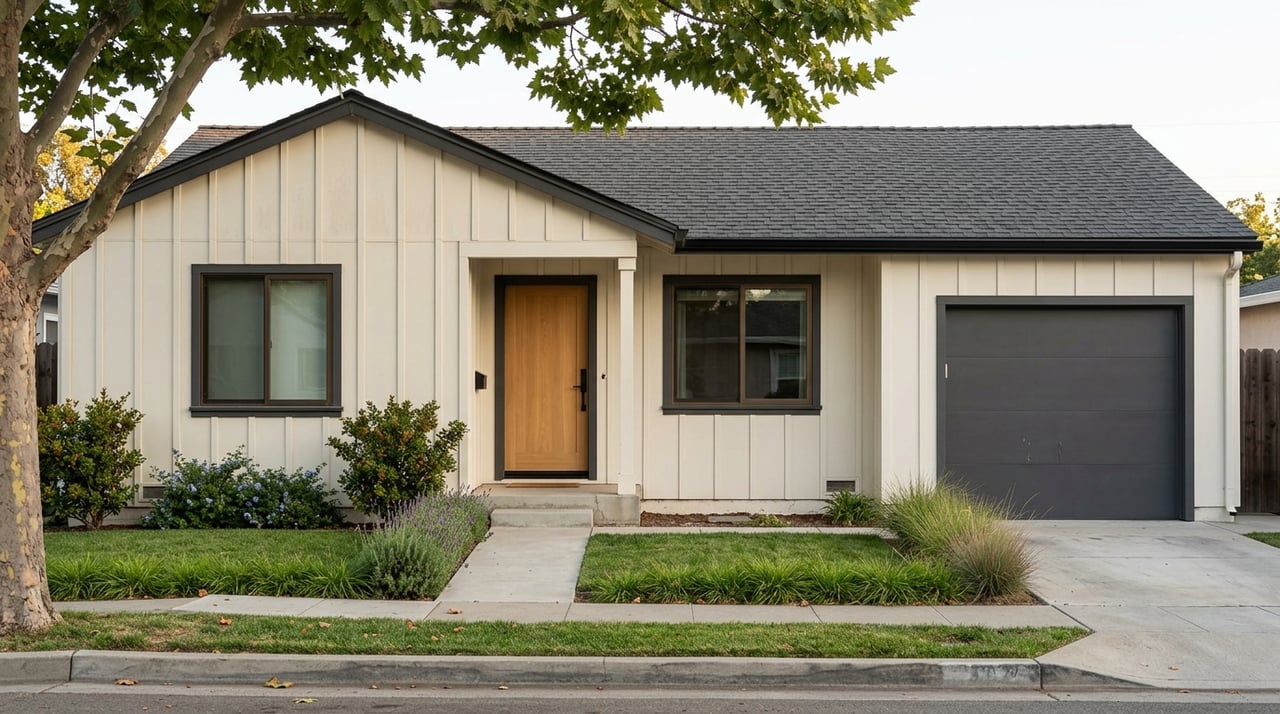
Farther south, near Redwood City, the city describes one- and two-story single-family homes on tree-lined streets with an elongated suburban street grid. That creates a different kind of neighborhood experience, one that often feels more residential and straightforward in layout.
If you are drawn to an established setting with flatter streets and a more traditional neighborhood pattern, these parts of San Carlos may be especially appealing. The experience here is usually less about dramatic terrain and more about everyday convenience and a steady residential feel.
Hillside Areas and View-Oriented Pockets
West of Alameda de las Pulgas, San Carlos changes noticeably. The city says the topography becomes much more dramatic, and the streets begin to follow the contours of the hills rather than a flatter grid.
In these western areas, many multi-story hillside homes appear to be single-story from the street. The far western area near Brittan and Crestview includes single-family homes and condominiums, with some properties oriented toward Bay and East Bay views.
The city also describes these hillside pockets as having clustered home sites, large areas of private open space, and a more rural character than flatter parts of town. For you, that can translate into a more secluded, less grid-like street experience that feels distinct from the downtown-adjacent neighborhoods.
How Terrain Changes the Feel
One of the most useful ways to think about San Carlos is by how the terrain affects daily life. In flatter areas, streets tend to feel more traditional, connected, and easy to navigate.
In hillside areas, the experience shifts. Streets may curve more, homes may sit differently on their lots, and the overall setting can feel more private and view-oriented.
That does not make one area better than another. It simply means your ideal fit may depend on whether you value a classic neighborhood rhythm, a more walkable location near downtown, or a setting shaped by slope, privacy, and elevation.
Common Housing Styles in San Carlos
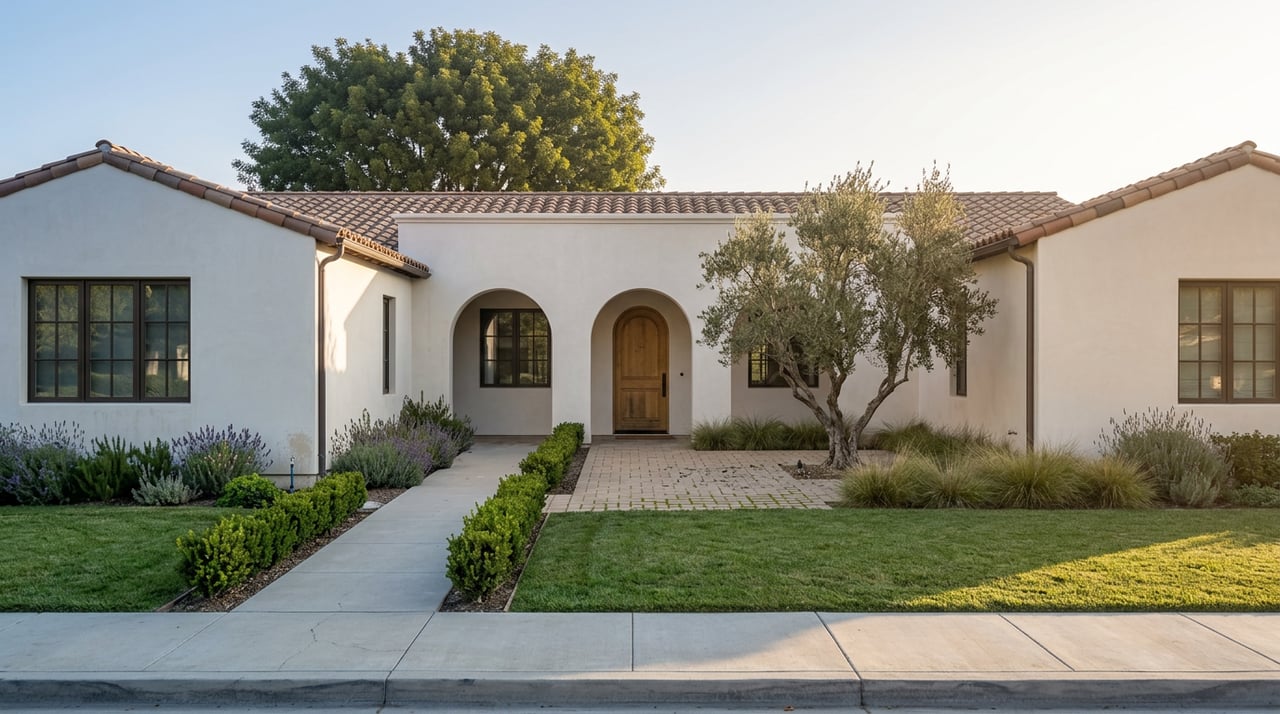
San Carlos remains primarily a single-family city. According to the city’s housing element, there are 12,385 total housing units, including 8,394 single-family detached homes, 540 single-family attached homes, 3,419 multifamily units, and 32 mobile-home or other units.
That breakdown matters because it helps explain why so much of San Carlos feels residential and established. Single-family detached homes make up 68% of the city’s housing stock, while multifamily housing accounts for 28%.
You will still see a mix of home types depending on the area. Near downtown and along Laurel Street, multifamily housing is more common, while flatter residential areas and hillside neighborhoods tend to lean more heavily toward single-family homes.
Older Housing Stock, Established Feel
Another major part of San Carlos’ character is the age of its housing. The city reports that 73% of the housing stock was built between 1940 and 1979, while 27% was built since 1980.
That older housing base helps explain why many parts of San Carlos feel established rather than newly built. Even when homes have been updated or expanded, the broader neighborhood pattern often reflects mid-century and post-war development.
For buyers, this can mean more variation from one property to the next. You may find original homes, remodeled homes, expanded layouts, or homes that blend older structure with newer finishes.
What Buyers Should Notice
If you are shopping in San Carlos, it helps to narrow your search by lifestyle as much as by price or size. The city’s layout offers a few distinct living experiences.
Here is a simple way to think about it:
- Downtown and Laurel Street area: best suited to buyers who want a walkable setting with plazas, pedestrian space, and a mix of residential and commercial activity nearby
- Downtown-adjacent and south-end areas: a strong fit for buyers who want flatter streets, older neighborhood patterns, and one- to two-story single-family homes on tree-lined streets
- West of Alameda de las Pulgas: worth exploring if you want hillside terrain, more privacy, and homes shaped by slope and potential views
The right match depends on how you want your home and surroundings to feel on a daily basis. In San Carlos, location is often about street experience and topography as much as address.
What Sellers Should Keep in Mind
If you are selling in San Carlos, your home’s setting is a big part of its story. Buyers often respond not only to the house itself, but also to whether the property feels walkable, traditional, private, or view-oriented.
That is why positioning matters. A home near downtown may attract attention for its access to a pedestrian-focused center, while a home in the hills may stand out because of its relationship to the terrain, open space, or views.
This is also a market where established housing stock creates a wide range of presentation opportunities. Thoughtful preparation, clear pricing, and strong marketing can help buyers understand how your home fits into the broader San Carlos landscape.
Why San Carlos Stands Out
San Carlos offers a mix that many Peninsula buyers look for: a defined downtown, established residential streets, and hillside pockets that feel different from the flatter parts of town. The city’s planning vision reinforces that identity through walkable public spaces, landscaping, and a strong community center.
Its housing mix supports that variety. While the city remains predominantly single-family, there is still meaningful diversity in housing type and street experience depending on where you look.
If you are trying to decide whether San Carlos fits your goals, it helps to look beyond labels and focus on the feel of each area. That is often where the real clarity starts.
If you want help understanding which part of San Carlos best matches your goals, pricing, and day-to-day lifestyle, Sandra Darrow Realty, Inc. offers calm, personalized guidance for buyers and sellers across the Peninsula.
FAQs
What is the overall neighborhood feel in San Carlos?
- San Carlos is best described as a compact Peninsula town with a clearly defined center, shaped by tree-lined streets, open space, public gathering areas, and a pedestrian-focused downtown.
What is downtown San Carlos like for homebuyers?
- Downtown San Carlos, centered on Laurel Street and nearby blocks, offers a more walkable setting with plazas, landscaping, Laurel Street Park, and a mix of residential, grocery, restaurant, and office uses.
What kinds of homes are common in San Carlos?
- San Carlos is primarily a single-family city, with 68% of its housing stock made up of single-family detached homes, along with smaller shares of attached and multifamily housing.
What do west San Carlos hillside areas feel like?
- West of Alameda de las Pulgas, San Carlos becomes more hillside-oriented, with contour-following streets, clustered home sites, private open space, and some areas with Bay and East Bay views.
Are most San Carlos homes newer or older?
- Most are older, with 73% of the city’s housing stock built between 1940 and 1979, which contributes to the established feel found in many neighborhoods.
How should buyers compare different parts of San Carlos?
- Buyers should compare areas based on daily lifestyle, including walkability near downtown, flatter traditional streets in older neighborhoods, or more private hillside settings in the western part of the city.