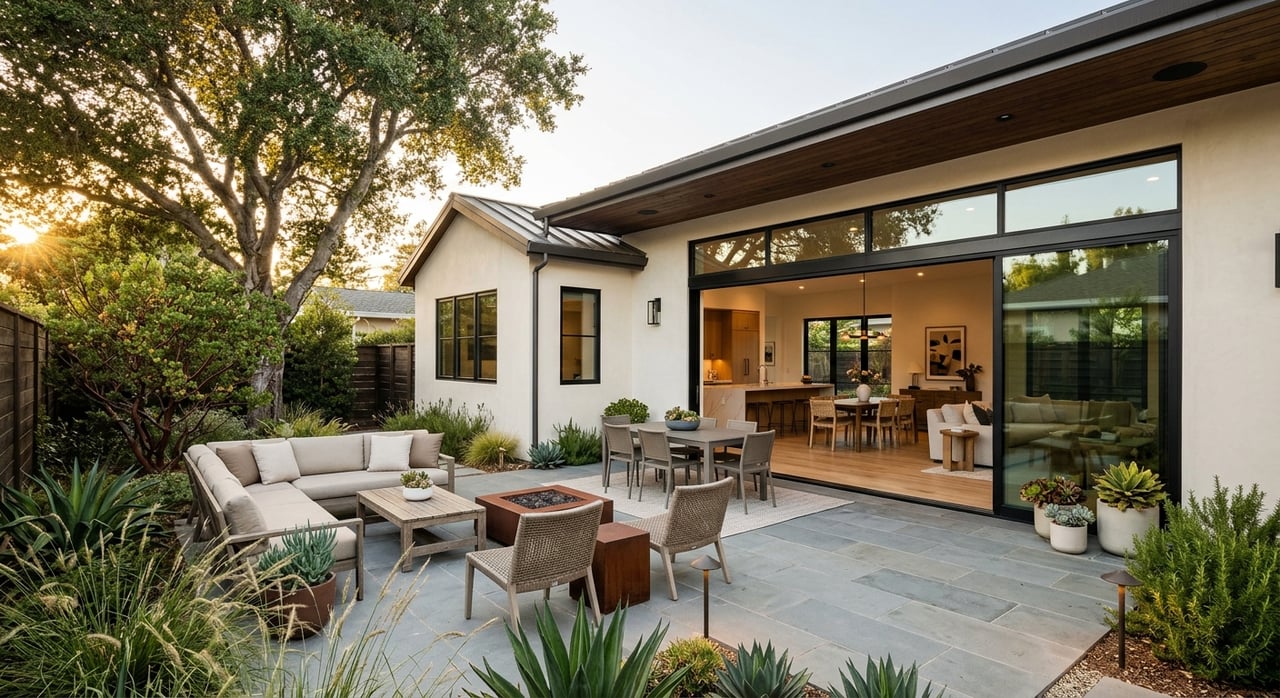
Trying to choose between a detached house and a townhome in Redwood City? You are not alone. In a market where prices are high and inventory can move quickly, the right fit often comes down to how you want to live day to day, not just what looks best on paper. This guide will help you compare cost, maintenance, privacy, and flexibility so you can make a more confident decision. Let’s dive in.
Redwood City Housing at a Glance
Redwood City has a meaningful mix of home types, but detached homes still make up the largest share of the housing stock. According to the city, 44.5% of homes are detached and 12.9% are attached, a category that includes townhomes and condos. The city also identifies townhomes as part of the “missing middle” housing supply that can serve both younger buyers and people looking to downsize.
Current market data shows just how competitive this area remains. Redfin’s Redwood City housing market snapshot reports a February 2026 median sale price of $1.825 million and about 12 days on market. That same market snapshot helps frame the townhome segment as a lower entry point than the broader market, with Redwood City townhomes showing 11 listings at a median list price of $1.3 million.
Single-Family vs Townhome Basics
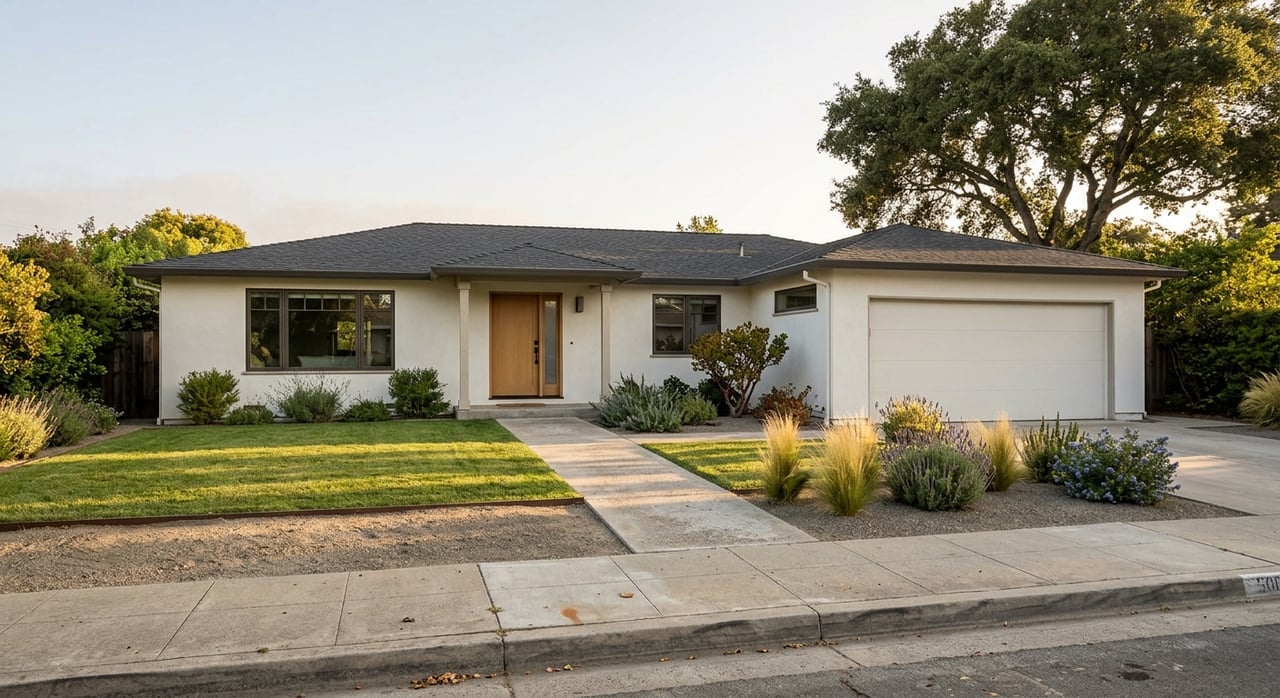
At a high level, the biggest difference is ownership style and how much control you have over the property. A detached single-family home usually sits on its own lot, often with a private yard and no shared walls. A townhome often gives you more separation than a condo, but it usually includes shared elements, common areas, and HOA rules.
In practical terms, detached homes in Redwood City often offer more outdoor space and more direct control over exterior use. Townhomes often offer a more compact layout, shared amenities, and a lower purchase price compared with the broader detached-home market. Neither option is automatically better. The right choice depends on your budget, priorities, and how much responsibility you want to take on.
How Townhome Living Often Feels
Townhomes in Redwood City commonly function like multi-level homes with attached garages and more living space than many condos. Current examples on Redfin include a 3-bedroom, 2.5-bath, 1,363-square-foot home with two garage spaces, pool access, and $614 monthly HOA dues, along with a 3-bedroom, 3-bath, 1,906-square-foot home with a private balcony, attached two-car garage, and $670 monthly HOA dues.
That gives you a clear picture of the usual tradeoff. You may get good interior space, lower exterior maintenance, and access to shared amenities, but you will likely have less land and more shared responsibilities than you would with a detached house. For many buyers, that balance works well when they want a home feel without taking on every exterior task themselves.
Townhome Pros in Redwood City
- Lower entry price than the broader citywide market
- Less direct exterior upkeep in many communities
- Features that may include attached garages, pools, or maintained landscaping
- More privacy and space than a typical apartment or condo
Townhome Tradeoffs to Consider
- Monthly HOA dues, often in the $600s based on current examples
- Shared walls or closer spacing than detached homes
- Rules about exterior changes or use of certain spaces
- Possible future HOA cost increases or assessments
How Single-Family Living Often Feels
Detached homes in Redwood City usually emphasize autonomy. Recent listing examples include a 2-bedroom, 2-bath home with 910 square feet on a 3,096-square-foot lot that notes no HOA fees, and a 4-bedroom, 2-bath home with 1,820 square feet on a 4,081.57-square-foot lot. These examples show how detached homes often come with private land, more outdoor control, and no shared walls.
For many buyers, that means more room to garden, entertain, store gear, or simply enjoy more separation from neighbors. It can also mean more freedom when you want to improve or adapt the property over time. The tradeoff is that you are usually the one responsible for the maintenance, planning, and cost.
Single-Family Pros in Redwood City
- More private outdoor space
- Greater control over the home and lot
- No HOA dues in many cases
- More flexibility for future changes
Single-Family Tradeoffs to Consider
- Higher entry price in many cases
- Full responsibility for upkeep and repairs
- More time and money spent on exterior maintenance
- More systems and surfaces to monitor over time
Maintenance and HOA Costs
One of the most important differences between these property types is who handles what. According to the California Department of Real Estate guide to common interest developments, the homeowners association is generally responsible for common-area maintenance and replacement, while the owner is responsible for the separate interest and any exclusive-use common area tied to the unit. The exact split depends on the governing documents.
That means HOA dues can help cover shared upkeep, reserves, and amenities, but you should not assume the association handles everything. Roofs, decks, balconies, siding, or exterior features may or may not fall under HOA responsibility. In a townhome community, it is important to review the rules and budget before you buy.
Detached homes usually avoid monthly HOA dues if they are not in an HOA. Still, that does not mean they are cheaper to maintain. Instead of paying an association, you are typically paying directly for repairs, landscaping, exterior paint, roofing, and long-term upkeep as those needs come up.
Flexibility for Future Changes
If future adaptability matters to you, detached homes may offer more room to work with. Redwood City’s ADU rules allow junior ADUs in single-family homes up to 500 square feet, allow ADUs in multifamily settings, and state that ADUs under 750 square feet do not pay impact fees. That can be relevant if you are thinking ahead about space for family, caregiving, guests, or a work area.
Townhomes can still work for buyers who want efficient space, but HOA rules may limit what changes you can make. If flexibility is one of your top priorities, it is smart to compare not just floor plans, but also lot configuration, governing documents, and what kind of modifications are allowed.
Ownership Details Matter
One subtle but important point is that the listing label does not always tell the full story. Some Redwood City properties may look and live like townhomes but be categorized differently in listing data. What matters most is the title, the legal ownership structure, and the governing documents tied to the property.
This is especially important when you are comparing maintenance obligations or future renovation plans. Before moving forward, you will want to confirm exactly what you own, what is shared, and what approvals may be required. That kind of detail can shape both your monthly costs and your long-term flexibility.
Which Option Fits Your Lifestyle?
If you want lower direct exterior maintenance and a lower price point than many detached homes in Redwood City, a townhome may be a strong fit. It can also make sense if you like the idea of shared amenities and a more lock-and-leave lifestyle. For some buyers, that simplicity is worth the HOA structure.
If you want more privacy, more outdoor use, and greater control over the property, a detached single-family home may be the better match. It can be especially appealing if you are thinking about long-term flexibility or simply want more separation and autonomy. The tradeoff is usually a higher cost and more maintenance responsibility.
Questions to Ask Before You Buy
No matter which path you prefer, asking the right questions can help you avoid surprises. Here are some of the most important ones to review during your search:
- Does the HOA cover roofing, siding, exterior paint, landscaping, water, trash, or reserves?
- Is there a reserve study, and are there any pending or recent assessments?
- What exterior changes are allowed for patios, fences, balconies, or front areas?
- If you are considering a detached home, is there room for an ADU or JADU later on?
- How much maintenance do you realistically want to handle yourself?
- Are you prioritizing lower monthly obligations or more long-term control?
The right answer is not the same for everyone. What matters is finding a home that fits your budget, your routine, and your future plans with as few compromises as possible.
If you are weighing townhome versus single-family living in Redwood City, a clear side-by-side review of costs, HOA terms, and property flexibility can make the decision much easier. Sandra Darrow Realty, Inc. offers calm, personalized guidance to help you compare options, understand the details, and move forward with confidence.
FAQs
What is the main difference between a Redwood City single-family home and a townhome?
- A detached single-family home usually sits on its own lot with more private outdoor space and fewer shared elements, while a townhome often includes shared components, HOA rules, and less land but may offer a lower entry price.
Are townhomes in Redwood City usually less expensive than single-family homes?
- Current market snapshots suggest they often are, with Redfin showing Redwood City townhomes at a median list price of $1.3 million compared with a citywide median sale price of $1.825 million.
Do Redwood City townhomes always include HOA dues?
- Townhomes commonly include HOA dues, and current listing examples show dues in the $600s per month, but the amount and coverage vary by community.
What does an HOA usually cover in a Redwood City townhome community?
- HOA coverage often includes common-area maintenance and may include reserves or shared amenities, but the exact responsibility for roofs, decks, balconies, siding, or other exterior features depends on the governing documents.
Are single-family homes in Redwood City better for future ADU plans?
- They may offer more flexibility, since Redwood City allows junior ADUs in single-family homes up to 500 square feet and does not charge impact fees on ADUs under 750 square feet.
What should you review before buying a Redwood City townhome?
- You should review the HOA budget, reserve study, any pending assessments, maintenance responsibilities, and rules for exterior changes so you understand both current costs and future limitations.